Description
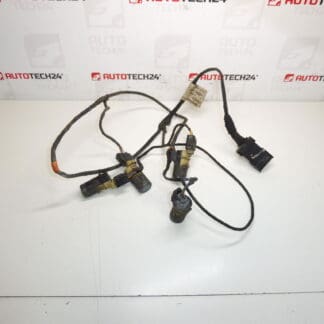
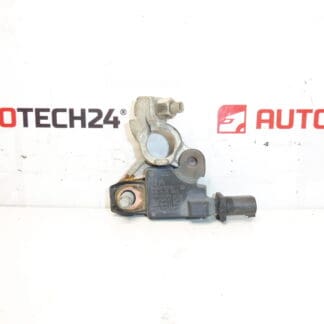
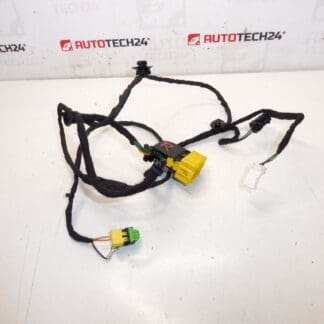
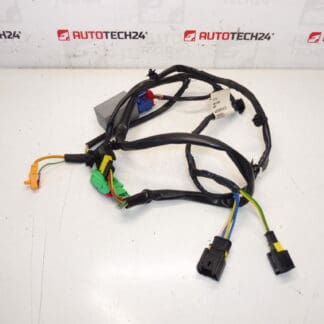
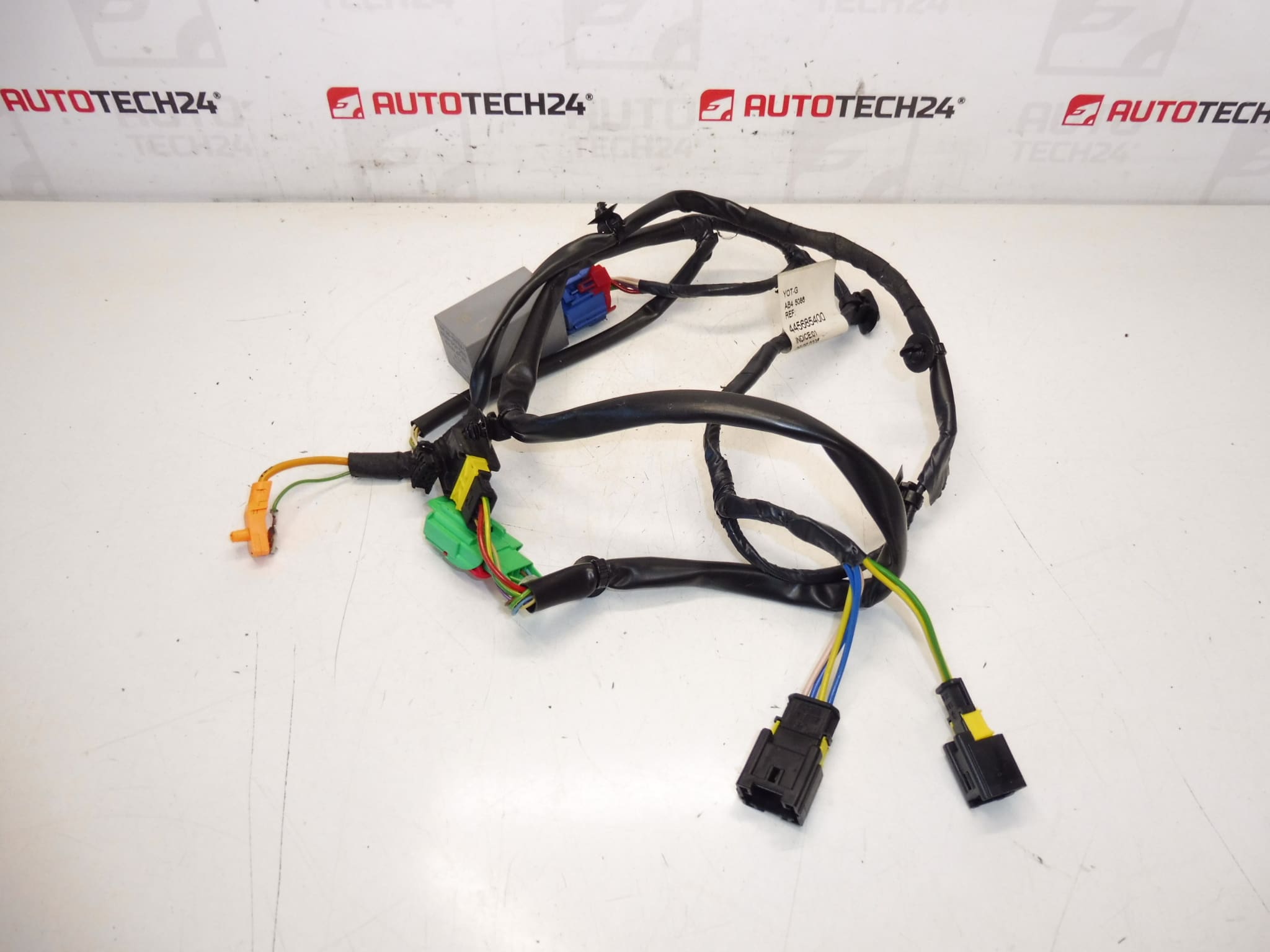
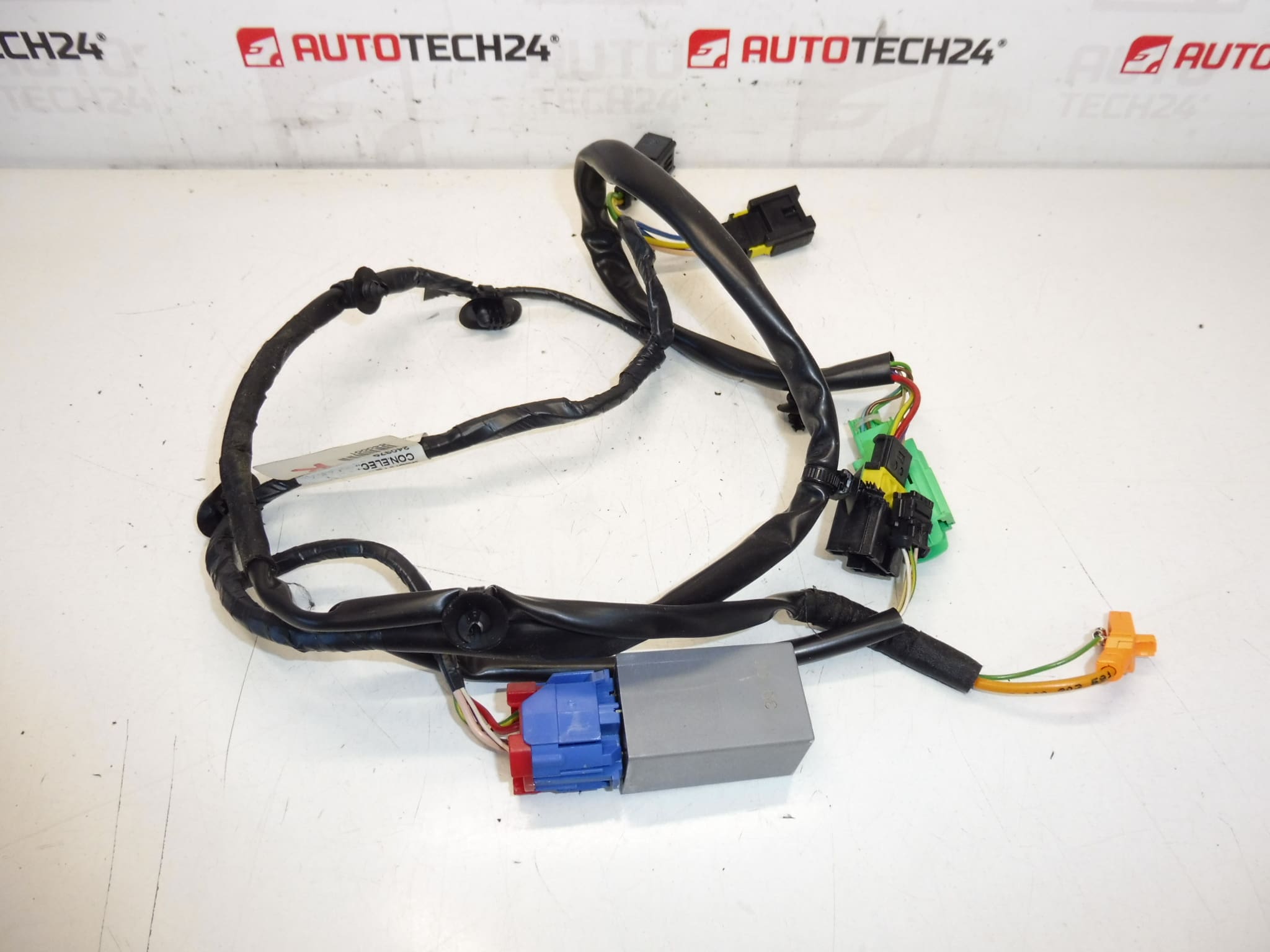
Wiring harness for the passenger seat for PEUGEOT 307 CC with seat heater control
This passenger seat wiring harness is designed for PEUGEOT 307 CC vehicles and includes the connectors and circuits required to operate the seat heating function. Ideal for professional workshops and experienced DIY enthusiasts, this harness helps restore electrical reliability to the passenger seat controls and heating system. Commonly searched under part numbers 441334800 and 6509Q2, the assembly is suitable when the original harness shows wear, damaged pins, or intermittent heater operation.
Key Features
High-quality replacement wiring harness for passenger seat with integrated seat heater circuit. Robust connector interfaces to match factory plugs, designed to maintain proper signal and power distribution for seat heater elements and seat control switches. Straightforward physical replacement when removing and reinstalling the seat and its trim.
Technical Information
- Manufacturer: Stellantis / PEUGEOT
- Model: PEUGEOT 307 CC
- Product Codes: 441334800, 6509Q2
- Other Numbers: NFP (as marked)
Compatibility And Application
Fits Passenger Seat Systems On PEUGEOT 307 CC. Use When Seat Heater Or Seat Control Functions Are Faulty Due To Wiring Or Connector Damage. Entering The Part Numbers 441334800 Or 6509Q2 In Search Will Help Customers Quickly Find This Specific Harness.
Installation Recommendations
- Disconnect The Battery Before Starting Work To Avoid Short Circuits And Airbag System Faults.
- Remove Seat Trim And Fasteners Carefully To Access The Harness Connectors; Note Connector Locations And Retainers.
- Unclip And Disconnect All Seat Connectors; Avoid Pulling On Wires Directly—Use Connector Bodies.
- Install The New Harness By Routing It Along The Original Harness Path, Securing Retainers And Clips To Prevent Chafing.
- Reconnect Connectors Firmly And Refit Seat Trim. Reconnect Battery And Verify Seat Heater And Controls Operate Correctly.
- If Fault Codes Appear Or Functions Remain Intermittent, Inspect Connector Pins For Corrosion Or Bent Contacts; Repair As Needed.
Why This Part Most Often Fails
Seat wiring harnesses typically fail due to mechanical wear and environmental exposure. Repeated seat movement can cause wire abrasion and broken conductors at flex points. Connector pins may corrode or become loose over time, producing intermittent electrical contact. Damage can also occur during incorrect seat removal or reinstallation, or from water ingress in vehicles exposed to moisture. Overcurrent conditions from a faulty heating element can accelerate connector and insulation degradation.
Notes For Mechanics And DIYers
This harness is targeted at professional technicians and competent DIYers familiar with vehicle electrical systems. Keeping the original routing and clip locations is essential to prevent future failures. Searching by the listed product codes (441334800, 6509Q2) will increase the chance of finding the exact part for PEUGEOT 307 CC models.