Description
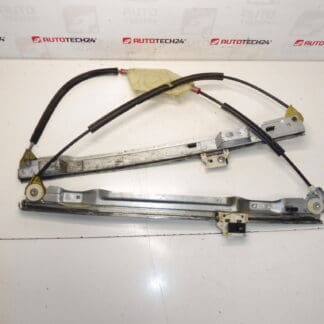
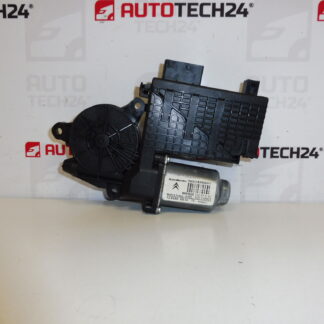
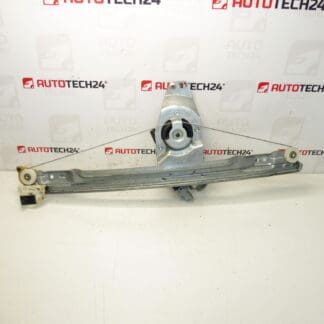
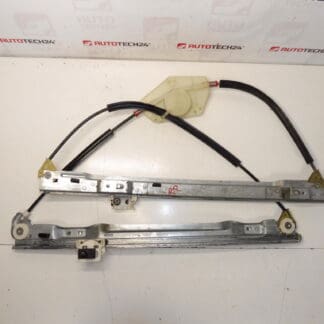
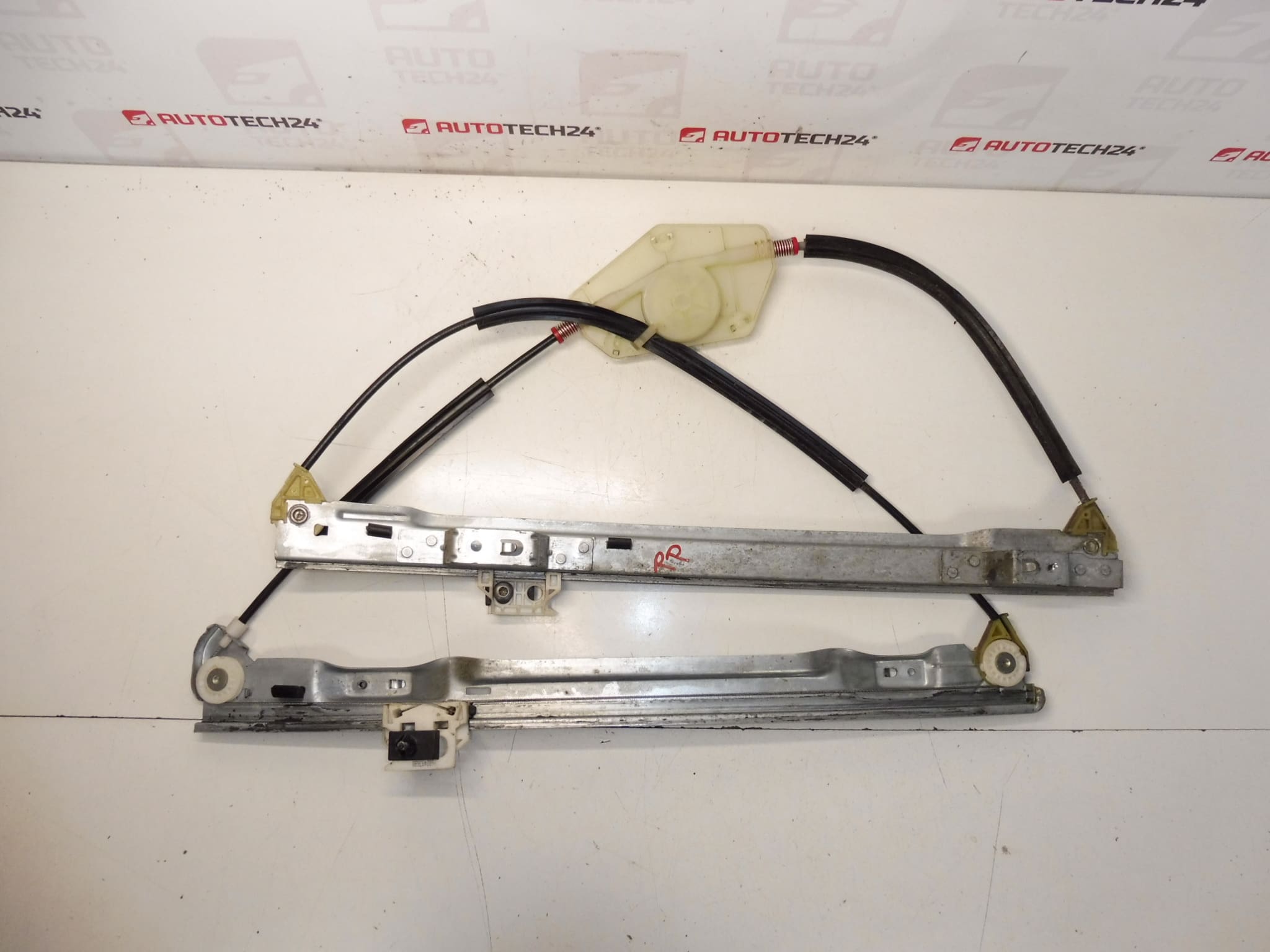
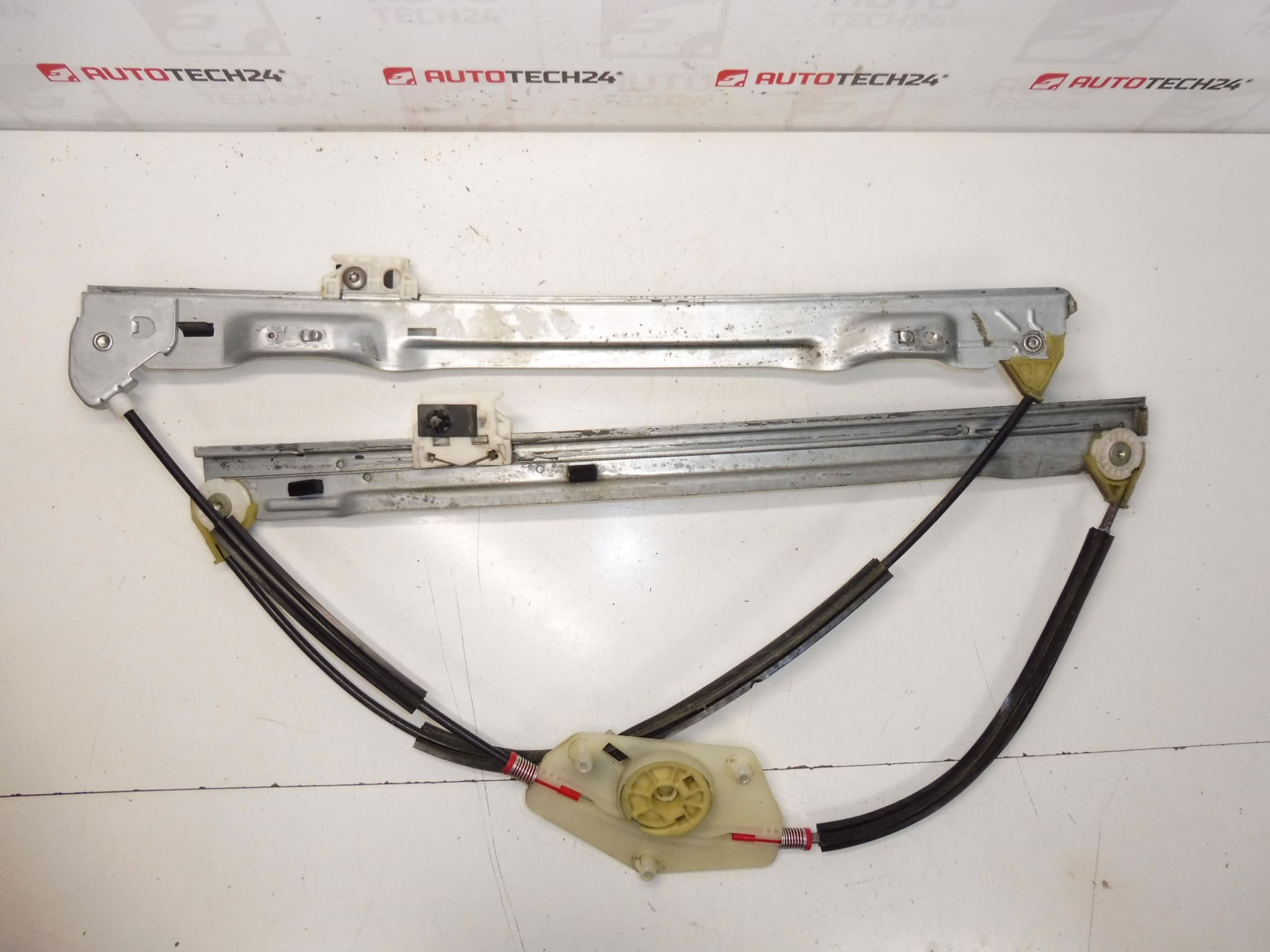
Electric window regulator mechanism for the right front window for Citroën C4 Picasso and Grand C4 Picasso. Passenger Side.
Direct-fit electric window regulator for the right front (passenger) door of Citroën C4 Picasso and Grand C4 Picasso. Ideal for professional workshops and DIY mechanics who need a reliable replacement part commonly searched by part numbers 9222CT and 1675404080. The unit restores safe and quiet window travel, eliminates jamming or slipping glass, and is suitable for vehicles equipped with electric window systems. Clear identification by product code speeds up ordering and ensures compatibility with the specified models.
Technical Information
- Manufacturer: Stellantis (Citroën)
- Model: Citroën C4 Picasso, Grand C4 Picasso
- Product Codes: 9222CT, 1675404080
- Other Numbers: OEM Reference As Supplied Above
Function And Symptoms
The window regulator assembly converts the electric motor’s rotation into linear movement to raise and lower the glass smoothly along the door frame. Common symptoms of a failing regulator include slow or noisy operation, intermittent movement, the glass dropping or tilting, and complete loss of movement on the affected door. Electrical motor failure or mechanical damage to the cable/guide system are the usual causes.
Common Causes Of Failure
- Cable Wear Or Fraying: Repeated use gradually wears the steel cable and its plastic sheaths, leading to slipping or breakage.
- Plastic Guide Or Slider Damage: Plastic components can crack or become brittle with age and temperature variations, causing binding or misalignment.
- Motor Wear: Brushes or internal gears in the motor can wear out, producing noise and loss of torque.
- Corrosion And Water Ingress: Moisture in the door cavity accelerates corrosion of metal parts and degrades lubrication.
- Mechanical Shock Or Impact: Door impacts can bend rails or displace mounting points, producing immediate failure.
Expected Lifetime
Lifetime depends on usage, environment and maintenance. Under normal conditions many regulators last several years; in typical passenger use expect multiple years of service. Heavy use, frequent full travel cycles, or exposure to moisture and dirt reduce life expectancy.
Replacement Procedure (Overview)
Recommended For Experienced Technicians Or Competent DIY Mechanics. Typical replacement steps:
- Disconnect The Negative Battery Terminal Before Starting Work To Prevent Short Circuits And Accidental Motor Activation.
- Remove The Interior Door Trim And Moisture Barrier Carefully. Keep Clips And Fasteners Organized.
- Secure The Glass In The Fully Up Position Using Tape Or A Support To Prevent It From Falling When The Regulator Is Removed.
- Disconnect The Electrical Connector From The Window Motor And Any Door Module Connectors If Required.
- Unbolt The Regulator Assembly From The Door Shell And Carefully Lower It With The Glass Attached (Or Detach The Glass From The Regulator First If Easier).
- Install The New Regulator, Align The Glass Within The Guides, And Temporarily Reconnect The Motor To Test Smooth Travel And Alignment Before Final Torqueing.
- Lubricate Guide Channels Lightly With Suitable Grease, Check Fasteners, And Refit The Door Trim After Confirming Correct Operation.
Installation Recommendations
- Always Disconnect The Battery Before Removing Or Installing Electrical Components.
- Support The Glass Securely During Removal To Avoid Damage Or Injury.
- Inspect Door Channels, Fasteners, And The Window Glass For Damage; Replace Any Broken Clips Or Corroded Bolts.
- Use Dielectric Grease On Electrical Connectors And Light Lubricant On Sliding Surfaces To Extend Service Life.
- Test The Regulator Cycle Several Times Before Reassembling The Door Trim To Ensure Correct Alignment And Smooth Operation.
Why Choose This Part
This unit is specified for Citroën C4 Picasso and Grand C4 Picasso passenger-side right-front doors and is commonly referenced by codes 9222CT and 1675404080. It provides a practical solution for restoring window function quickly and is suitable for both professional repair shops and competent DIY repairs. Searching by the product code will help you find the correct item fast.
Notes
Replace Damaged Fasteners Or Worn Clips During Installation To Ensure Long-Term Reliability. If The Door Has Significant Water Ingress Or Corrosion, Address The Underlying Issue To Prevent Repeating Failures.