Description
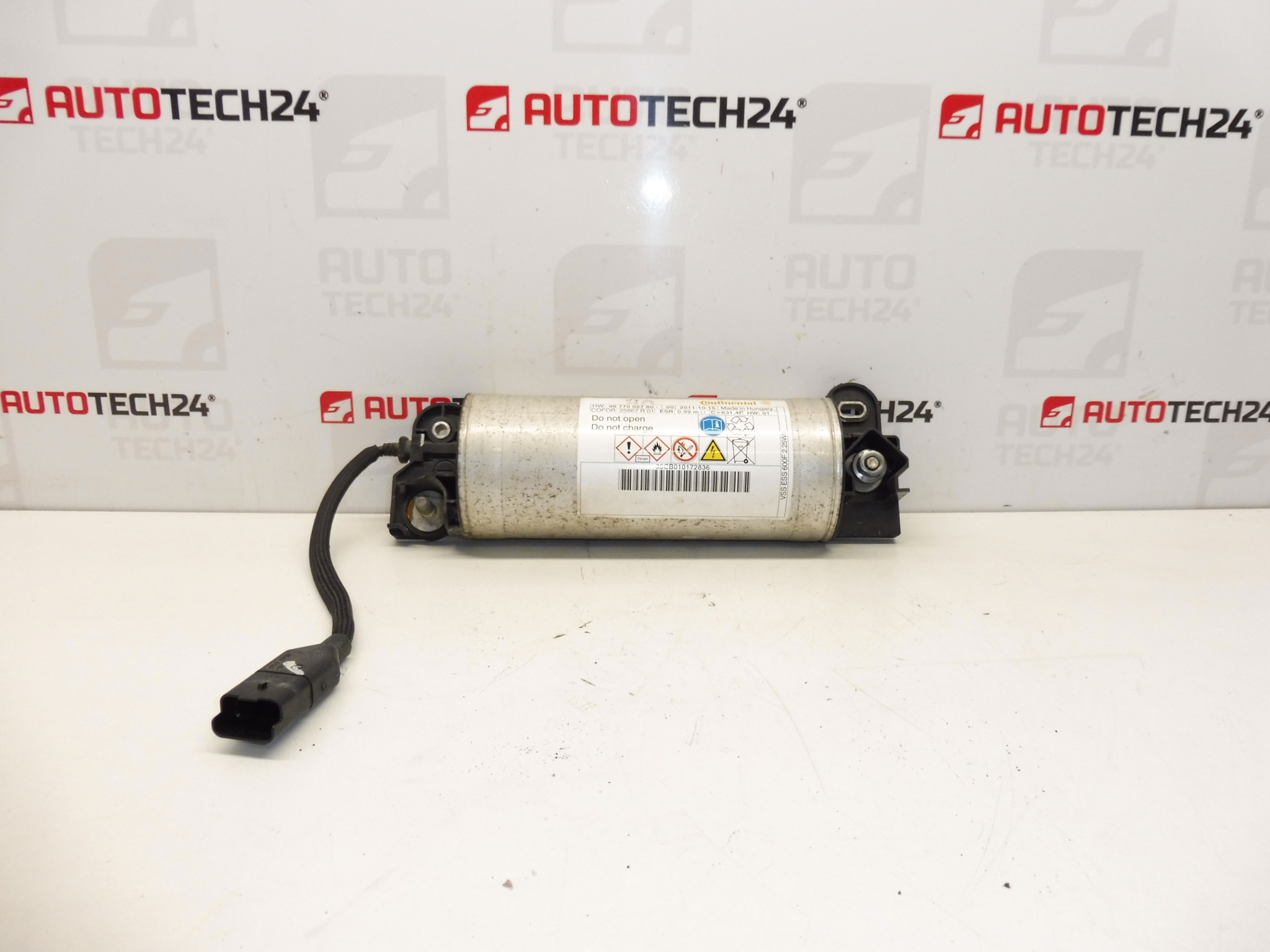
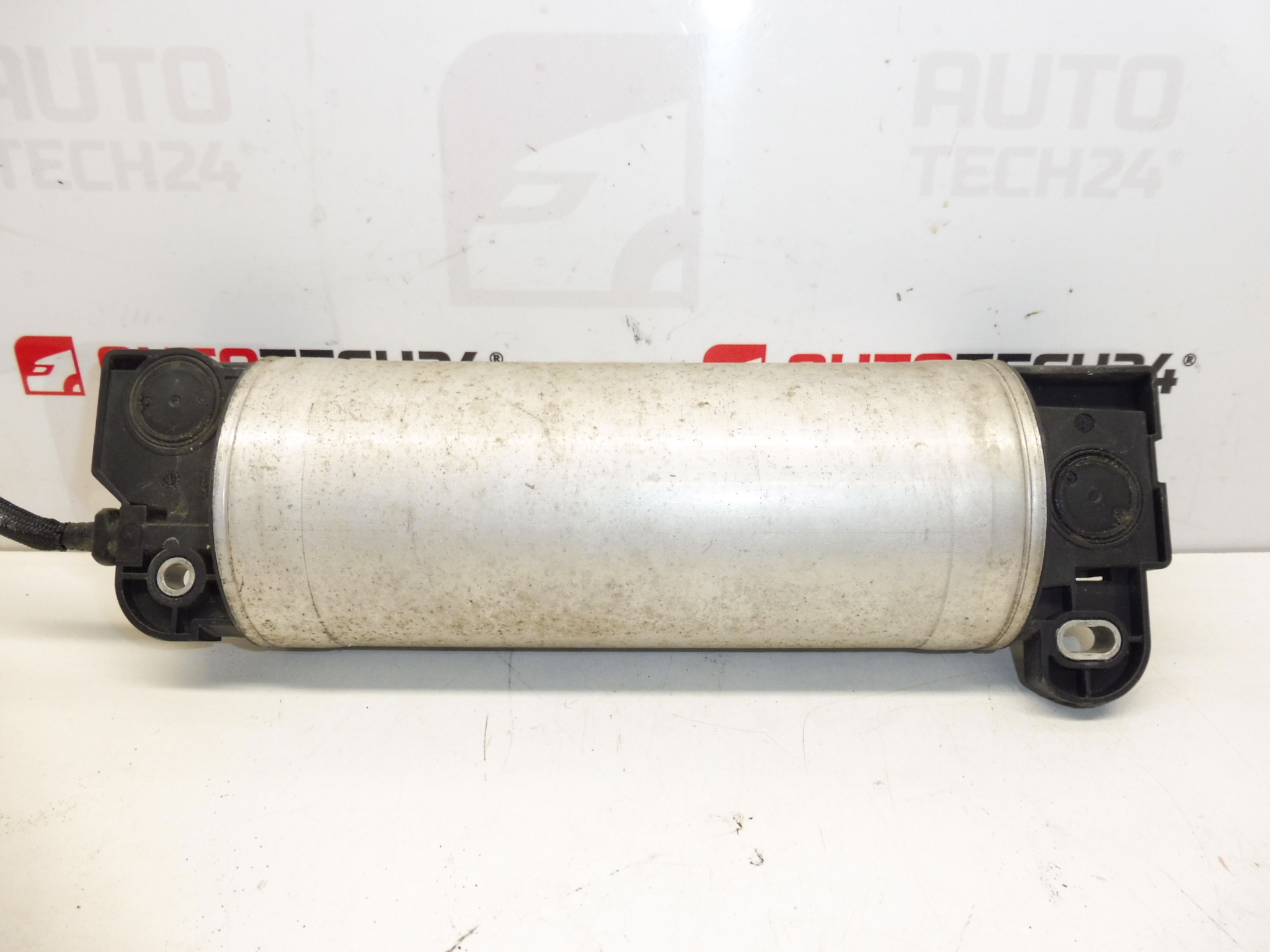
High-capacity Reservoir – Continental START-STOP Capacitor for Citroën and Peugeot Vehicles
Upgrade the reliability of the Start‑Stop system with this Continental high-capacity reservoir (START‑STOP capacitor), designed for many Stellantis Citroën and Peugeot models. The unit stores and releases energy to support engine restarts and to stabilise vehicle electrical voltage during stop/start events, reducing load on the 12V battery and improving system responsiveness. Supplied with original equipment part numbers used by Stellantis, this component is aimed at professional workshops and experienced DIY mechanics who service modern Start‑Stop systems.
Key Benefits
- Original‑quality Continental component compatible with multiple Citroën and Peugeot models.
- Improves Start‑Stop reliability and reduces crank time under frequent stop/start conditions.
- Direct replacement for OE part numbers used on Stellantis vehicles — ideal when the Start‑Stop function shows faults or reduced performance.
Compatibility / Applications
This Start‑Stop capacitor is fitted to a range of Citroën and Peugeot vehicles. Typical applications include:
- Citroën Berlingo B9
- Citroën C4
- Citroën C4 Picasso
- Jum
- Peugeot 208
- Peugeot 308
- Peugeot Partner III
Technical Information
- Manufacturer: Continental
- Model: Start‑Stop High‑Capacity Reservoir Capacitor
- Product Codes: 9677002780, 9801739380, 9852039780
- Other Numbers: Stellantis OE references for Citroën/Peugeot Start‑Stop systems
Function and How It Works
The Start‑Stop capacitor is a high‑capacity energy reservoir (supercapacitor type design) that absorbs and supplies electrical energy during engine stop/start cycles. When the engine is turned off at a stop, the capacitor stores charge and then quickly delivers that energy to support a reliable restart and to stabilise the vehicle electrical network, reducing stress on the vehicle battery and starter system. This results in quicker restarts and fewer voltage dips that can disturb sensitive electronics.
Typical Failure Modes and Why It Fails
- Ageing and Loss Of Capacitance: Over time the capacitor’s effective storage decreases, causing reduced Start‑Stop performance.
- Thermal Stress: Exposure to high under‑bonnet temperatures accelerates degradation.
- Electrical Stress: Repeated overvoltage, poor charging system regulation or intermittent charging faults can damage the unit.
- Connector Corrosion Or Poor Contact: Faulty or corroded electrical connections cause intermittent operation or error codes.
Symptoms Indicating Replacement Is Required
- Frequent Start‑Stop failures or the system disabled message on the dashboard.
- Longer or unreliable restarts when the engine tries to restart automatically.
- Voltage warnings or alternator/battery related fault codes that persist after battery checks.
Installation Recommendations
Follow basic safety and vehicle manufacturer procedures when replacing the Start‑Stop capacitor. Recommended steps for experienced fitters:
- Disconnect the negative battery terminal before any work to avoid short circuits and to protect vehicle electronics.
- Locate the capacitor according to the vehicle service manual (position varies by model). Remove necessary covers or brackets to access the unit.
- Carefully unplug the electrical connectors and remove mounting fasteners. Avoid pulling on wiring; release locking tabs first.
- Install the replacement in the correct orientation, secure mounting points and reconnect connectors with firm seating.
- After installation, clear any related fault codes and perform a Start‑Stop system check with a diagnostic tool. Ensure charging system voltages are within specification.
Why Professional Fitting Is Recommended
Although a competent DIY mechanic can change the unit, the Start‑Stop system interacts closely with the vehicle charging and electronic control systems. Proper diagnosis, confirmation of charging system health and post‑replacement fault code clearing or system checks with a diagnostic scanner improve the likelihood of a trouble‑free repair.
Additional Notes
Use the correct OE part numbers when ordering to ensure fitment and electrical compatibility. Storing and handling should avoid exposure to extreme heat or direct moisture. If the vehicle displays persistent electrical faults after replacement, investigate the charging system, grounds and connector integrity before fitting another capacitor.
Recommended Spare Part Use
Replace with the matching Continental unit listed under the provided product codes to maintain Start‑Stop function performance and to avoid compatibility issues with the vehicle’s electrical system.