Description
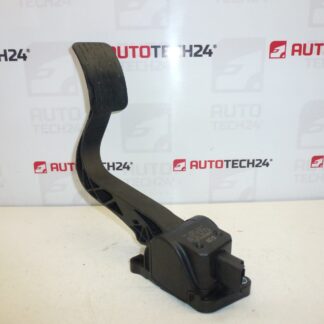
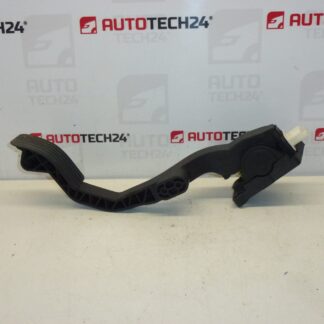
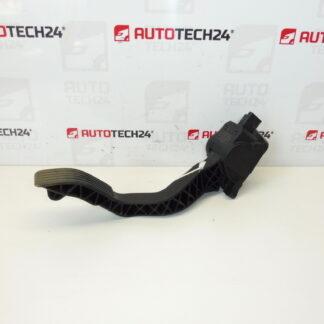
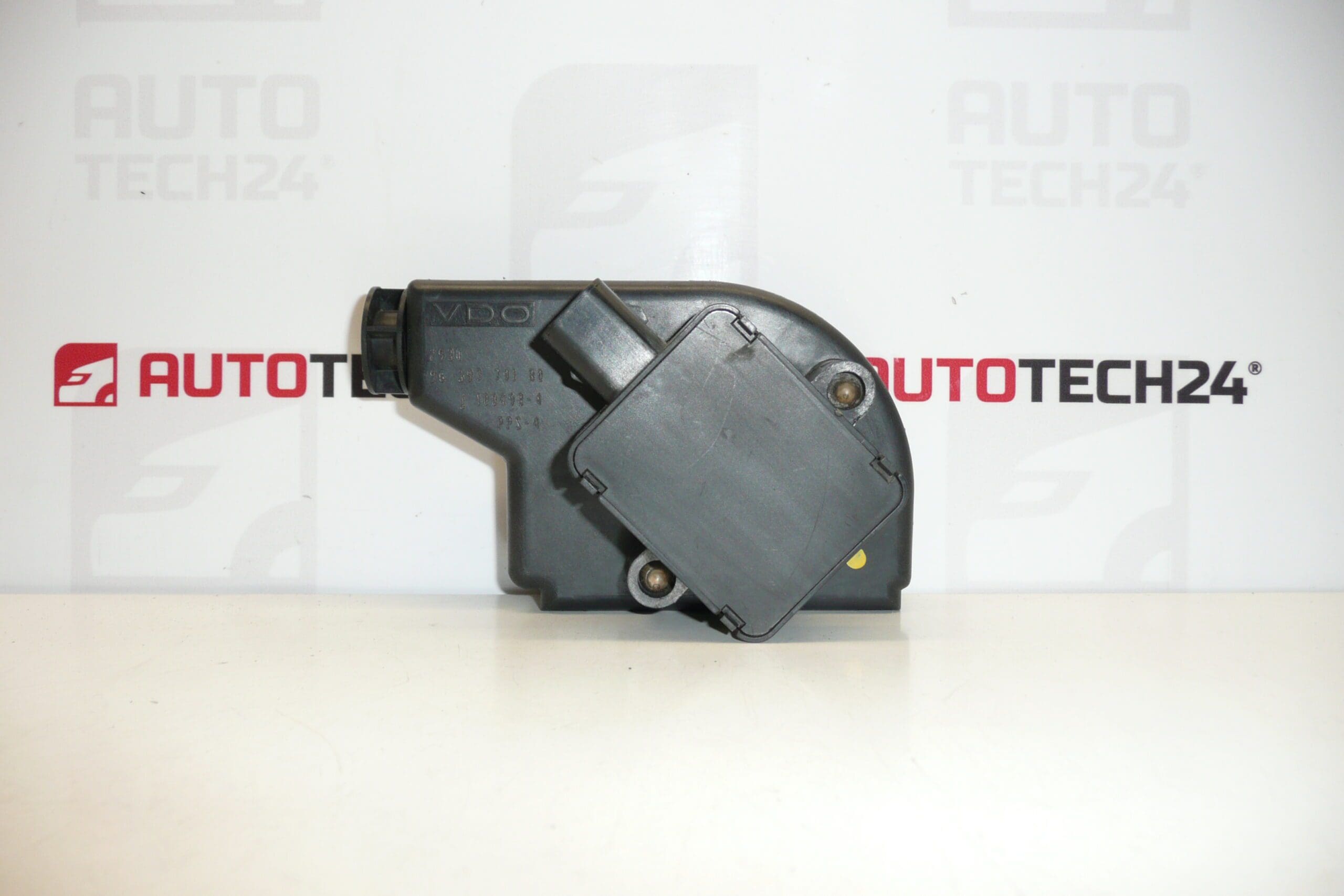
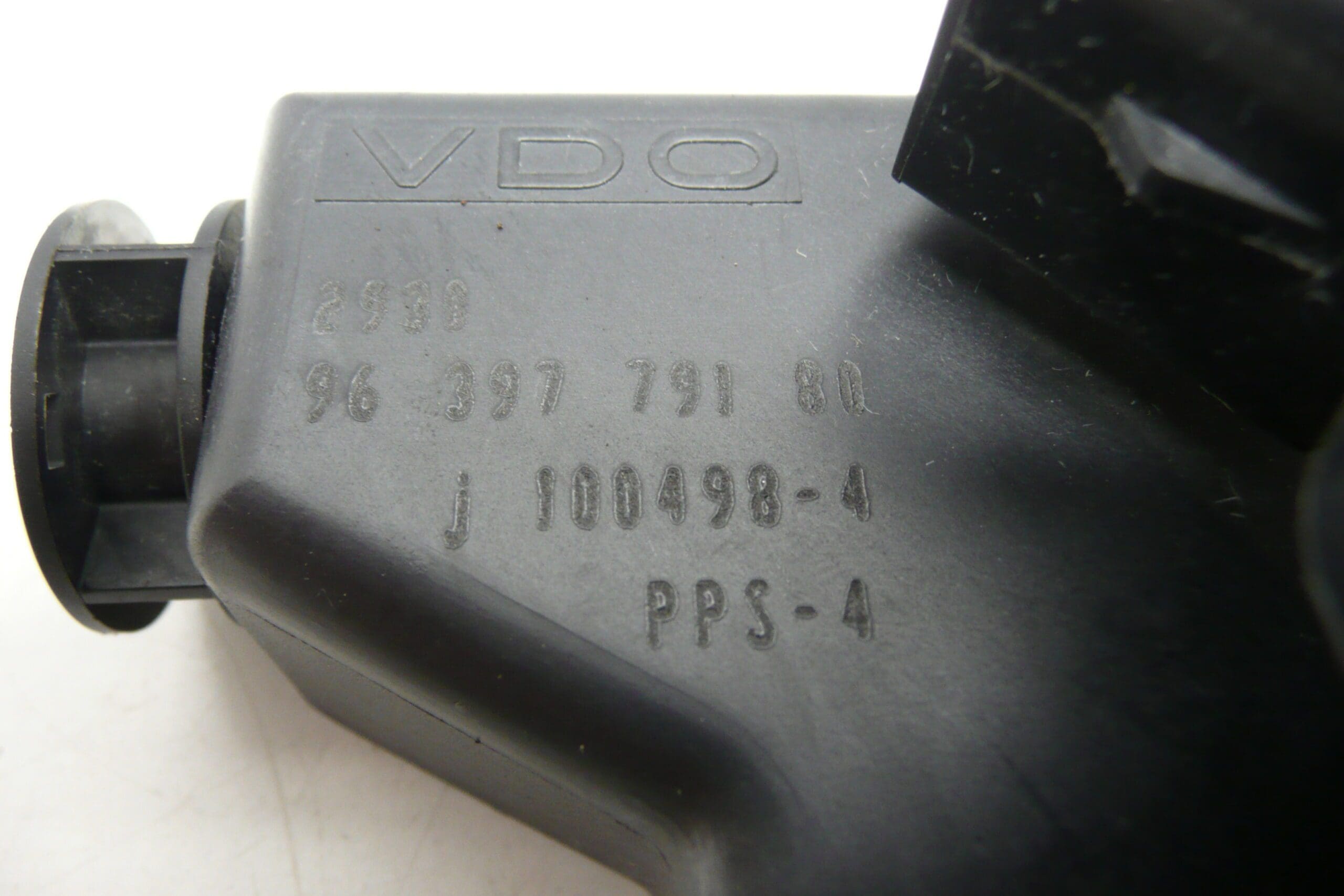
Throttle potentiometer for CITROËN and PEUGEOT vehicles. Suitable for 1.6, 2.0, 2.2 HDi engines.
This throttle/accelerator potentiometer is a direct-fit electronic sensor designed for a range of Citroën and Peugeot diesel models. It converts pedal movement into an electrical signal for the engine control system, ensuring precise throttle response, smooth drivability and correct engine management behaviour. Ideal for professional workshops and competent DIY mechanics looking for a reliable replacement part that restores correct accelerator input and eliminates hesitation, surging or limp-home modes caused by sensor faults.
Technical Information
- Manufacturer: Stellantis (Citroën/Peugeot Compatible)
- Model: Throttle/Accelerator Potentiometer
- Product Codes: 9639779180, 9643365680, 445821001002
- Additional Numbers: 1920X1, 1920AK, 19209W
Suitable Models
Fits a range of Citroën and Peugeot applications, including common models where this sensor is used:
- Citroën Berlingo
- Citroën C5
- Citroën C8
- Citroën Xsara
- Citroën Xsara Picasso
- Peugeot 307
- Peugeot 406
- Peugeot 807
- Peugeot Partner
Function And Symptoms Of Failure
The potentiometer senses the accelerator pedal position (or throttle opening) and sends a variable voltage signal to the engine control unit. When the sensor degrades or fails, common symptoms include erratic idle, hesitation on acceleration, poor throttle response, engine fault light (MIL), reduced torque or entry into limp mode. Electrical glitches can also cause inconsistent cruise control behaviour or sudden loss of power.
Why This Part Most Commonly Fails
- Wear Of The Resistive Track: Mechanical movement over many cycles leads to wear and poor signal quality.
- Connector Corrosion Or Moisture Ingress: Water or dirt entering the sensor or plug causes intermittent signals or open circuits.
- Damaged Wiring Or Connector Pins: Vibration and ageing can break wires or corrode contacts.
- Contamination And Debris: Dust or particles can affect the sliding element, especially on pedal-mounted units.
Replacement Guide
Replacement is straightforward for experienced technicians. Typical steps:
- Park Vehicle Safely: Ensure ignition off and parking brake applied.
- Disconnect Battery: Always disconnect the negative terminal before working on electronic sensors.
- Access Sensor: Remove trim or pedal covers (for pedal-mounted units) or access throttle body (for body-mounted sensors).
- Disconnect Electrical Connector: Carefully release locking tab and unplug connector.
- Remove Fixings: Unscrew retaining bolts and remove the old potentiometer.
- Fit New Unit: Install the new potentiometer, torque fasteners to manufacturer recommendations and reconnect the plug.
- Reconnect Battery And Initialise: Reconnect battery and perform any required throttle/pedal calibration or ECU relearn procedure with a diagnostic tool if necessary.
Installation Recommendations
- Always Disconnect The Battery Before Starting Work To Prevent Short Circuits And Protect The ECU.
- Avoid Pulling Wires; Release Connectors By The Housing To Prevent Damage.
- Ensure Clean Working Area; Prevent Dirt Or Moisture Entering The Connector Or Sensor During Installation.
- After Installation, Perform Any Required Throttle Or Pedal Relearn Procedure Using A Diagnostic Tool To Ensure Correct Response.
- Use Genuine Or Equivalent Fasteners And Do Not Over-Torque Plastic Housings.
Notes On Lifespan
There Is No Fixed Service Interval For Potentiometers; Lifespan Depends On Usage, Environment And Maintenance. Under Normal Conditions Sensors Often Last Many Tens Of Thousands Of Kilometres, But Corrosion, Heavy Use Or Contamination Can Shorten Service Life.
Why Choose This Replacement
The part numbers listed are widely used across a number of Citroën and Peugeot diesel models. Replacing a faulty potentiometer with a matching unit restores precise control signals to the ECU, improving throttle feel and drivability while preventing fault codes and limp modes. Suitable for professional fitting in workshops or by experienced DIY mechanics familiar with PSA diagnostic procedures.