Description
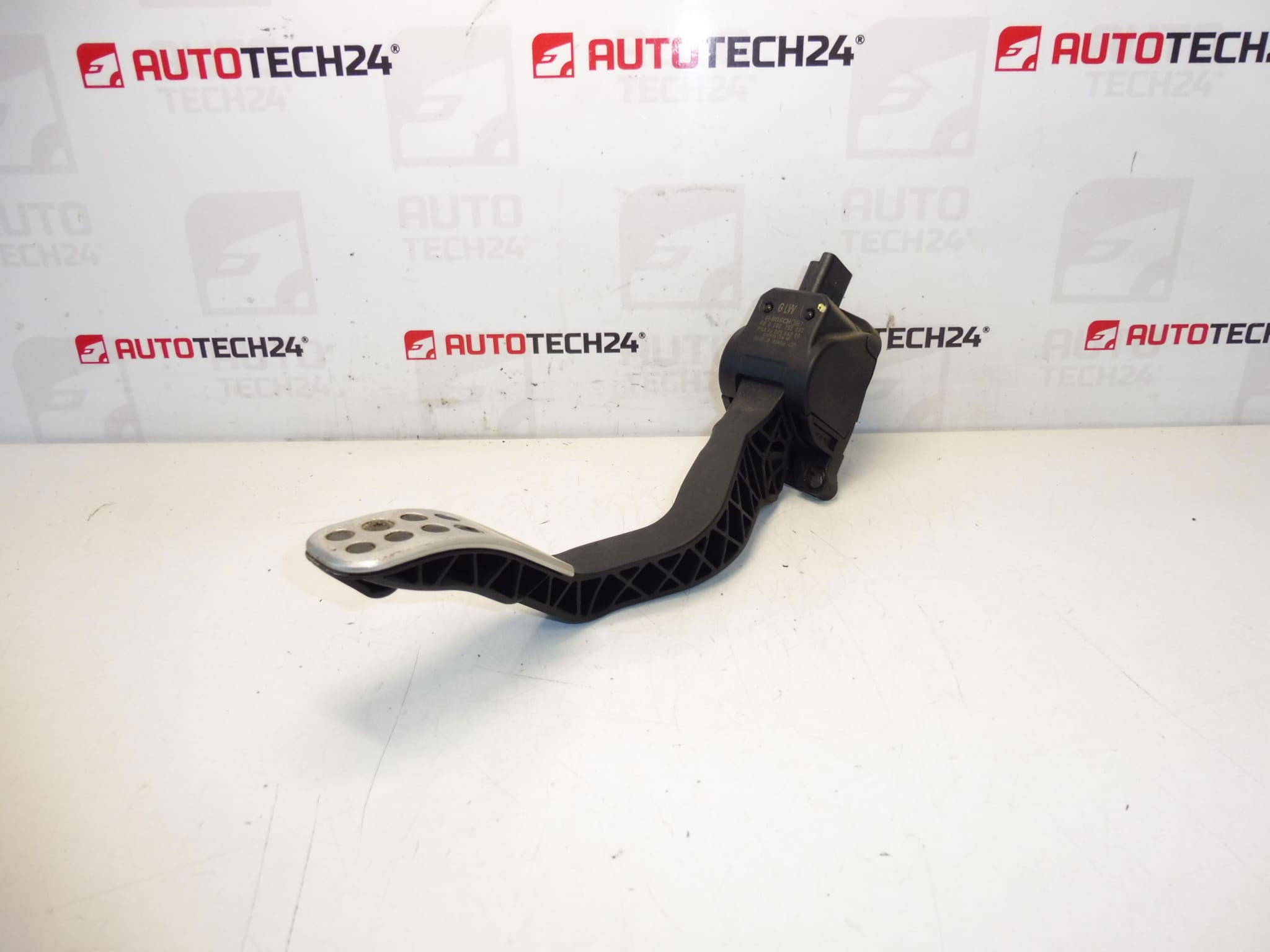
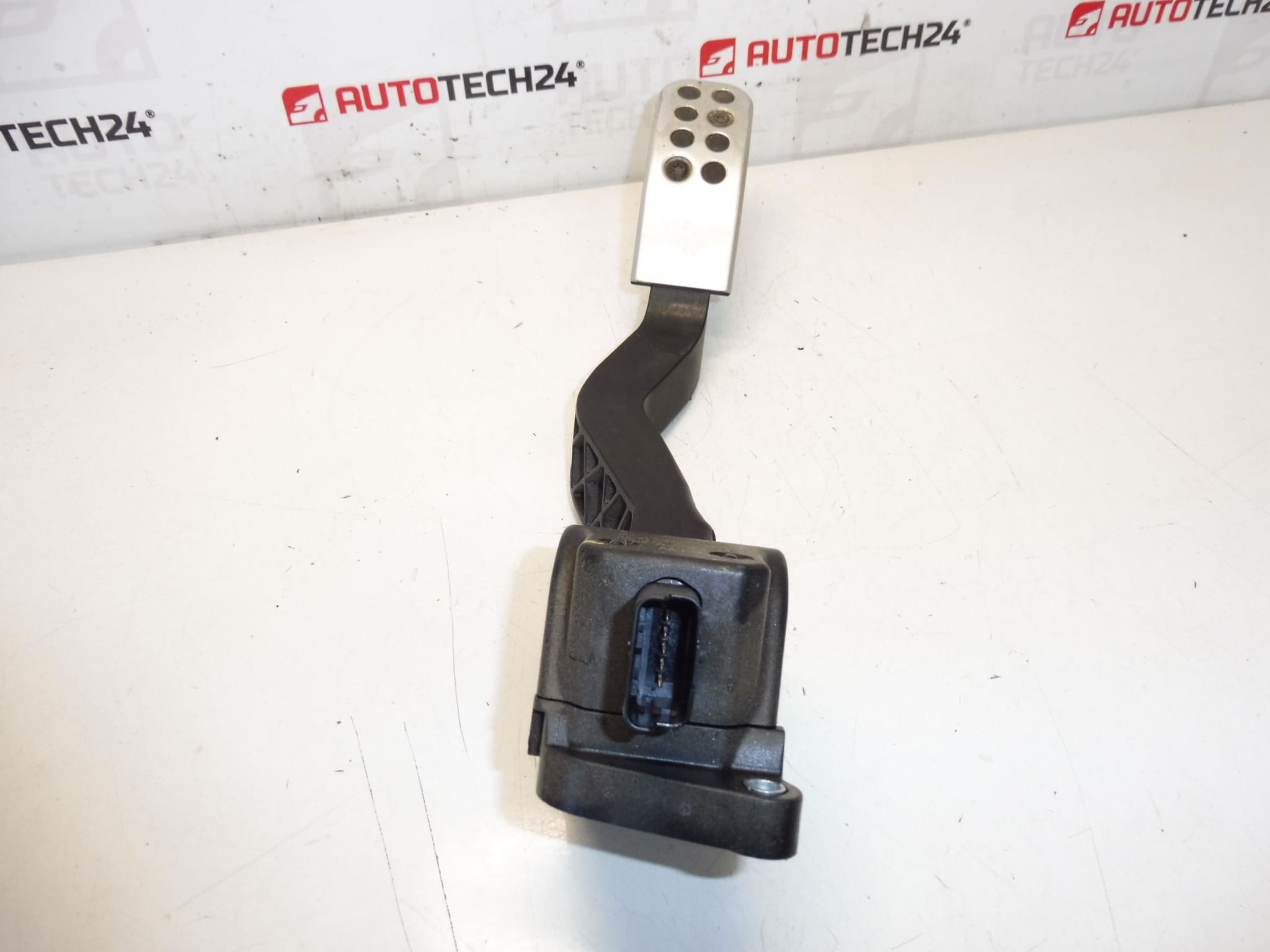
Accelerator pedal for Peugeot 307 and 307 CC. Also compatible with Citroën C4.
Bosch throttle/accelerator pedal assembly (accelerator pedal position sensor) suitable as a direct-replacement part for many Peugeot and Citroën models. Frequently searched by part numbers 0280755081, 9680566080 and 1601T7, this unit restores precise throttle response and helps eliminate driveability faults caused by a worn or faulty pedal sensor. Designed with professional mechanics and competent DIYers in mind, the component offers straightforward fitment where OE numbers match.
Technical Information
- Manufacturer: Bosch
- Model: Peugeot 307; Peugeot 307 CC; Citroën C4
- Product Codes: 0280755081, 9680566080, 1601T7
- Other Numbers: NFP
- Condition: Used
Compatibility
Intended Fitment: Peugeot 307, Peugeot 307 CC and Citroën C4. Compatibility is based on matching OEM part numbers (0280755081 / 9680566080 / 1601T7). Always confirm the part number on the existing pedal before ordering to ensure direct fitment.
Installation Recommendations
- Disconnect Battery: Always disconnect the vehicle battery before beginning work to avoid short circuits and protect electronic systems.
- Access: Remove lower dash trim or footwell covers to gain clear access to the pedal assembly and electrical connector.
- Disconnect Connector: Carefully unplug the pedal electrical connector; avoid pulling on wiring—use locking tab release where fitted.
- Remove Fasteners: Unscrew the mounting bolts securing the pedal assembly; retain hardware if reusing.
- Install New Unit: Position replacement pedal, secure bolts to the original seating, and reconnect the electrical connector ensuring a firm, corrosion-free contact.
- Relearning and Diagnostics: After installation, clear any throttle-related fault codes and perform throttle/accelerator pedal relearn or calibration with a diagnostic tool if required. A diagnostic scanner is recommended to verify correct operation and erase stored faults.
- Final Check: Reconnect the battery, cycle ignition, and perform a road test to confirm smooth throttle response and absence of warning lights.
Why Parts Fail Most Often
- Wear Of Internal Potentiometers/Sensors: Over time the sensor elements inside the pedal can wear, causing erratic signals to the engine control unit and poor throttle response.
- Contamination And Moisture Ingress: Dirt, moisture or corrosion in the connector or housing can lead to intermittent faults or complete failure of the sensor.
- Electrical Connector/Wiring Damage: Broken wires, corroded terminals or damaged plugs interrupt the signal between pedal and ECU.
- Mechanical Damage: Physical impact, worn mounting points or interference from floor mats can impede pedal movement or damage the assembly.
- Symptoms Of Failure: Hesitation, delayed throttle response, surging, limp-home mode or illumination of the engine/traction warning light are common indicators of a faulty accelerator pedal sensor.
Who Should Fit This Part
Suitable for professional auto technicians and experienced DIYers. While the mechanical swap is straightforward, access to a diagnostic tool to clear codes and perform throttle relearn is highly recommended to ensure proper integration with the vehicle’s engine management system.
Keywords for Search: Accelerator Pedal Peugeot 307, Throttle Pedal 0280755081, Bosch Accelerator Pedal 9680566080, 1601T7, Peugeot 307 CC pedal sensor, Citroën C4 throttle pedal.