Description
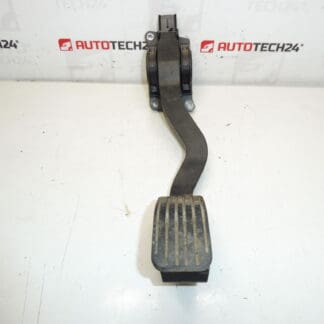
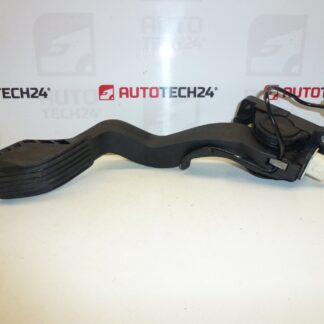
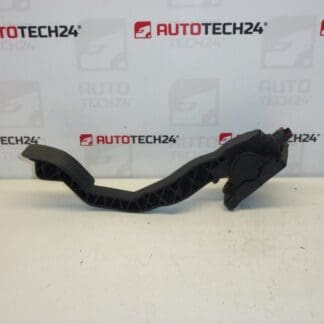
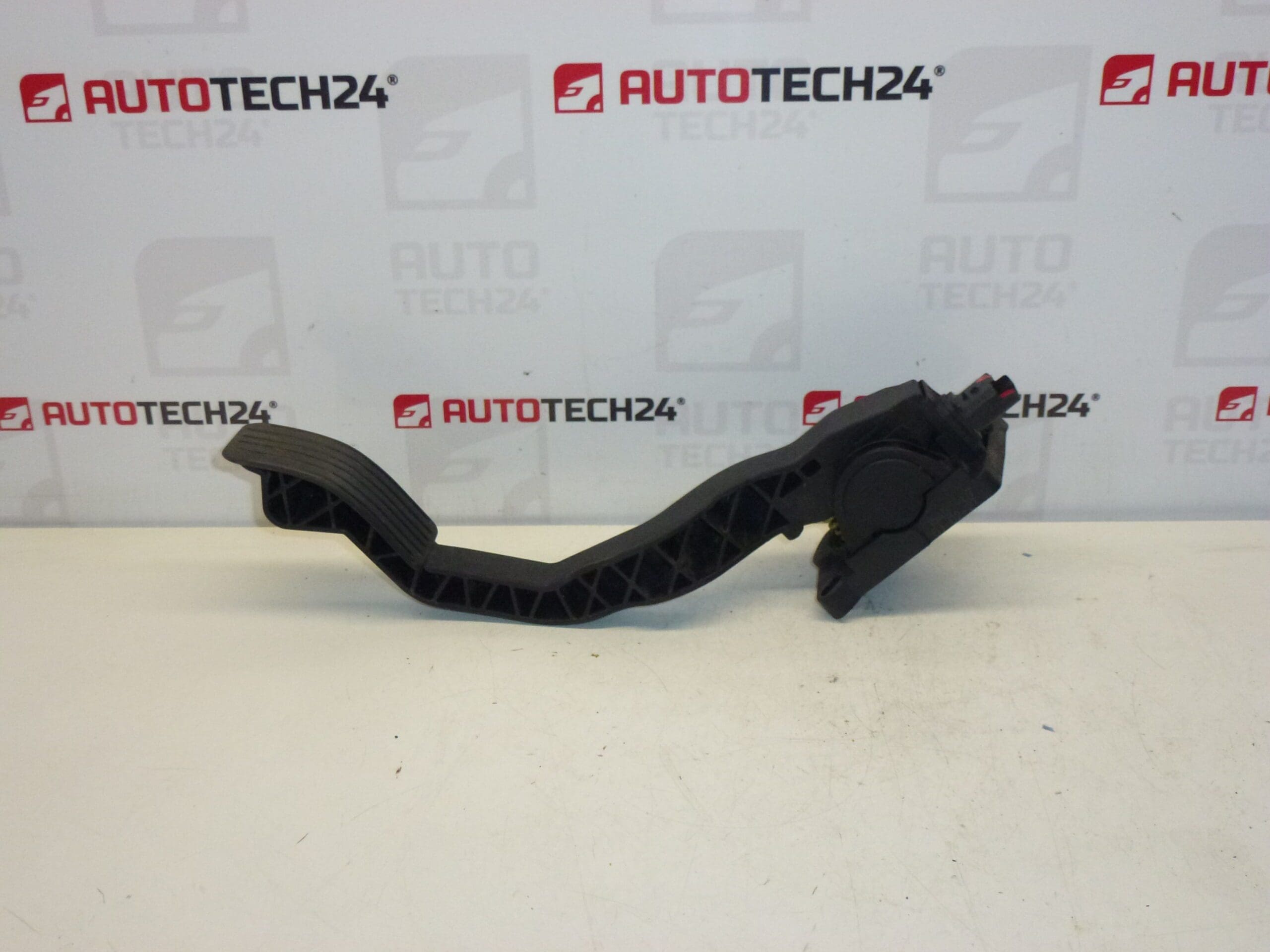
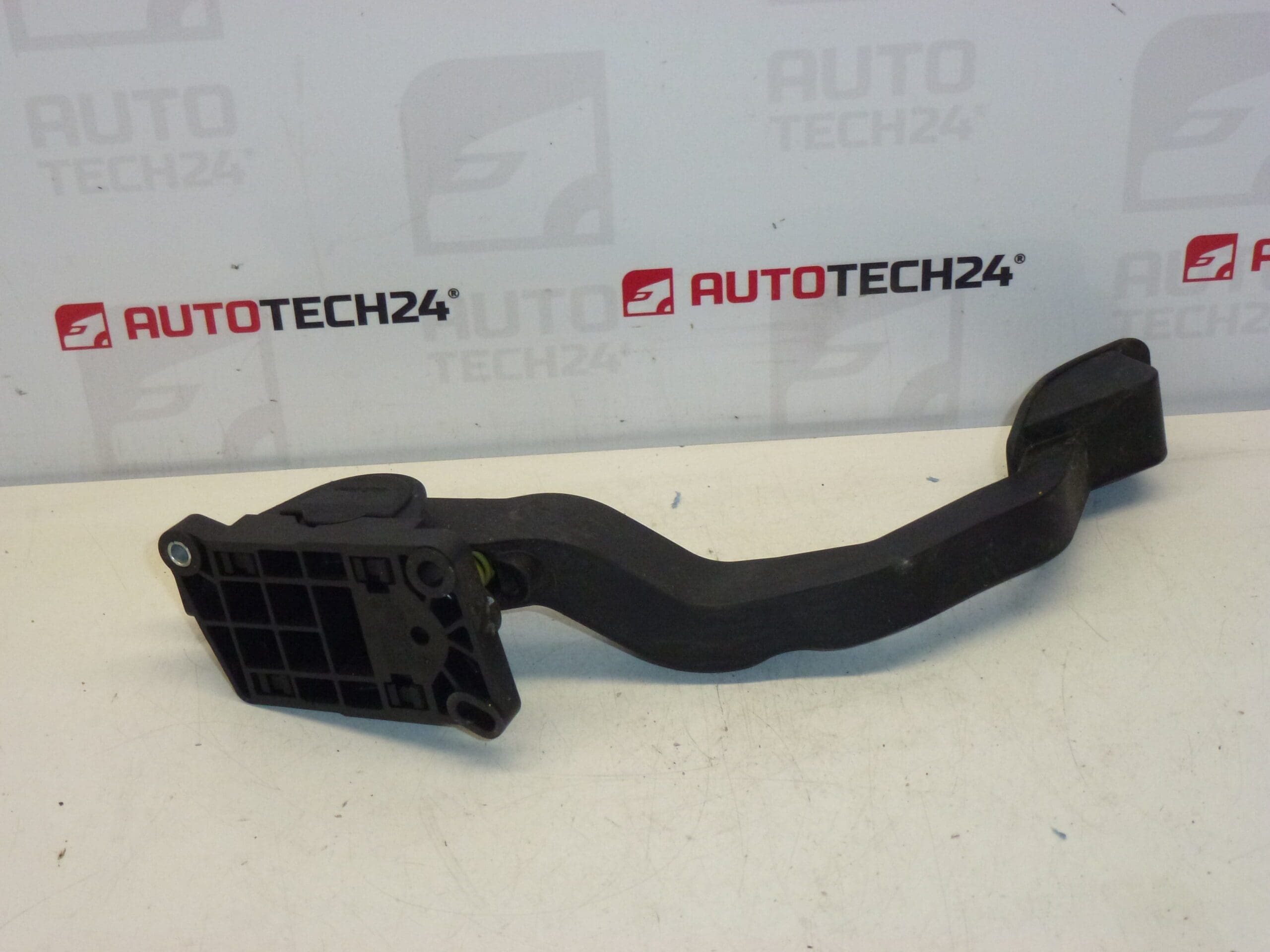
Accelerator Pedal For Peugeot 206
Overview
This Bosch-made electronic accelerator pedal assembly is designed for Peugeot 206 models equipped with drive-by-wire throttle control. It converts the driver’s pedal input into an electrical signal for the engine control unit, ensuring precise throttle response, smooth acceleration and integration with modern engine management systems. Commonly searched by part numbers, the unit is referenced under several OE codes listed below.
Key Benefits
- Direct OEM Fit For Peugeot 206 Applications
- Bosch Quality Electronics For Reliable Signal Output
- Easy Replacement For Workshop And DIY Mechanics
- Part Numbers Included For Fast Search And Cross-Referencing
Technical Information
- Manufacturer: Bosch
- Model: Peugeot 206
- Product Codes: 9645852280, 0280752237, 1601Q2
- Additional Numbers: Stellantis Citroën Peugeot References
Compatibility And Fitment
Intended For Peugeot 206 models That Use An Electronic Accelerator Pedal (Throttle-By-Wire). Verify Part Numbers 9645852280 / 0280752237 / 1601Q2 Against Vehicle Build Data To Confirm Fitment. The Unit Is Typically Found On Petrol Engines With Electronic Throttle Control.
How The Part Works
The pedal assembly contains position sensors (potentiometer/hall sensors) that measure pedal travel and convert it into an electrical signal sent to the ECU. The ECU then controls the throttle valve or electronic throttle body to achieve the requested engine response. Proper sensor output Is Critical For Smooth Acceleration And Safety Systems That Depend On Throttle Input.
Typical Replacement Procedure
- Park Vehicle On Level Surface And Remove Ignition Key.
- Disconnect The Negative Battery Terminal As A Safety Precaution.
- Remove Lower Dash Trim Or Footwell Covers To Access Pedal Assembly.
- Unplug Electrical Connector From Pedal Assembly (Inspect Connector For Corrosion Or Damaged Pins).
- Remove Mounting Bolts And Extract Old Pedal Module.
- Fit New Pedal Assembly, Secure Bolts To Manufacturer Torque Specifications, And Reconnect Electrical Connector.
- Reconnect Battery And Perform Any Required Throttle Adaptation/Relearn Procedure Using Diagnostic Equipment If Necessary.
Installation Recommendations
- Always Follow Manufacturer Torque Specifications And Service Manual Procedures.
- Disconnect Battery Before Work To Avoid Electrical Damage Or Fault Codes.
- Inspect Wiring Harness And Connector For Damage Or Corrosion; Replace Damaged Clips Or Terminals.
- After Installation, Clear Relevant Fault Codes And Perform Throttle Adaptation/Calibration With A Diagnostic Tool If Required.
- Replace In A Clean, Dry Environment To Prevent Contaminant Ingress During Fitment.
Symptoms Of A Faulty Pedal
- Check Engine Light Or Throttle-Related Fault Codes
- Intermittent Or Erratic Acceleration Response
- Reduced Engine Power Or Limp Mode Activation
- Unusual Pedal Feel Or Sticking
Why The Part Typically Fails
Failures Are Usually Caused By Internal Sensor Wear, Contaminant Ingress (Moisture Or Dirt), Corroded Or Damaged Connector Pins, Mechanical Wear Of The Pedal Linkage, Or Electrical Issues In The Wiring Harness. High Mileage, Exposure To Water, Or Impact Damage In The Footwell Area Accelerates Degradation Of The Electronic Components.
Durability And Maintenance
Electronic Pedal Assemblies Generally Offer Long Service Life But Are Sensitive To Environmental Contamination And Electrical Faults. Regular Visual Inspection Of Connector Condition And Wiring Routing During Routine Service Helps Prevent Premature Failure.
Notes For Mechanics And DIYers
Because This Is An Electronic Throttle Input Device, Ensure Proper Reconnection And Any Required Diagnostics After Fitment To Prevent Fault Codes Or Driveability Issues. Use The Part Numbers Provided For Quick Identification And Cross-Referencing In Parts Catalogs.