Description
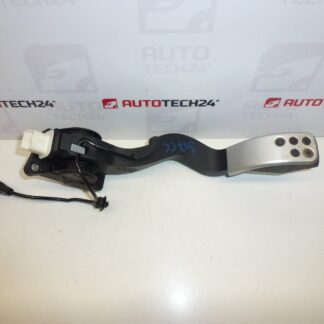
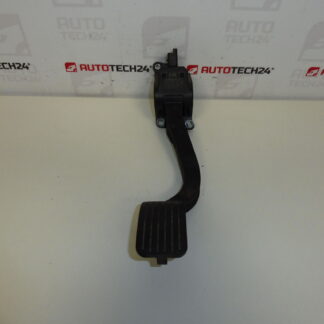
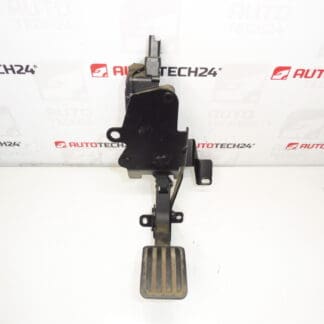
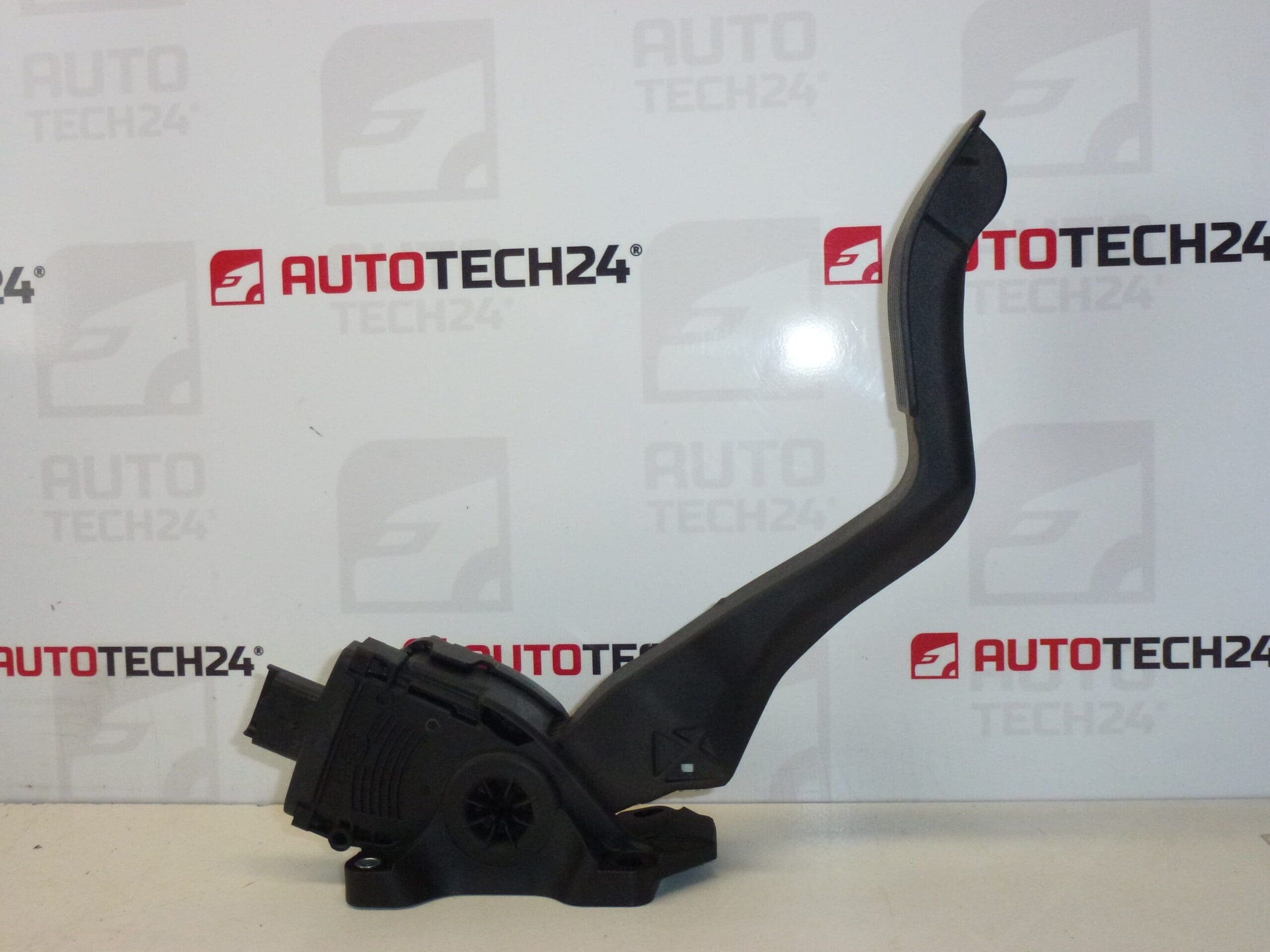
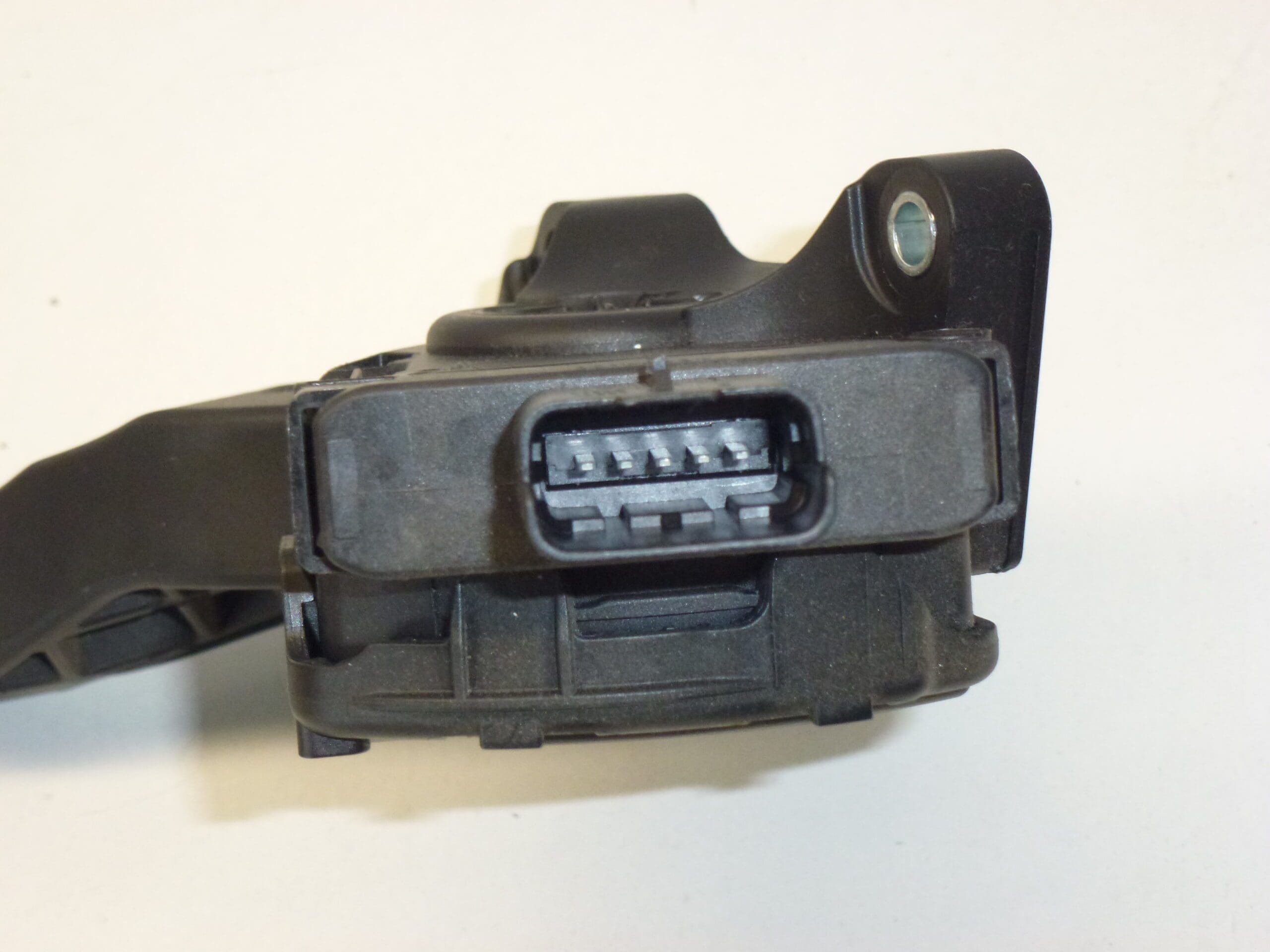
Throttle pedal for Citroën and Peugeot vehicles.
Description
This is an electronic throttle (accelerator) pedal assembly manufactured by HELLA and used on a range of Citroën and Peugeot applications. The unit integrates a potentiometer-type position sensor to send the driver’s demand to the engine management system. Replacing a worn or faulty pedal restores precise throttle response, eliminates hesitation or unintended acceleration signals, and resolves related engine management faults.
Applications
- Citroën C2
- Citroën C3
- Citroën C3 Pluriel
- Peugeot 307
Technical Information
- Manufacturer: HELLA
- Model: Citroën C2; Citroën C3; Citroën C3 Pluriel; Peugeot 307
- Product Codes: 9681530380
- Other Numbers: 1601Y4, 1601T6
Replacement Procedure
Typical replacement is straightforward for a trained mechanic. Basic steps:
- Disconnect the battery before beginning work to avoid electrical damage and unwanted throttle activation.
- Remove lower dash trim or footwell cover to access the pedal assembly.
- Unplug the electrical connector and release any retaining clips.
- Remove the mounting bolts securing the pedal and extract the assembly.
- Fit the new pedal, tighten fasteners to the manufacturer’s specification, reconnect the electrical connector and reassemble trim.
- Clear fault codes and perform a basic check of throttle response. If required, follow manufacturer calibration or adaptation procedure with a suitable diagnostic tool.
Installation Recommendations
- Always disconnect the negative battery terminal prior to removal and follow manufacturer safety instructions.
- Inspect the wiring harness and connector for corrosion or damage before installing the new pedal; damaged wiring is a common secondary cause of faults.
- After installation, clear stored fault codes and verify pedal position values with a diagnostic tool. Some vehicles may require adaptation or a simple key-on/key-off sequence to reset sensor range.
- Use correct torque on mounting fasteners and ensure connector locking tabs engage fully to prevent intermittent faults.
Why It Fails Most Often
Electronic accelerator pedals typically fail due to sensor wear (potentiometer degradation), contamination (moisture or dirt ingress), connector corrosion or damaged wiring, and mechanical wear of the pedal mechanism or return spring. Symptoms include erratic throttle response, reduced engine power or limp mode, illuminated engine warning light, and stored throttle/pedal-related fault codes. Addressing the root cause—such as cleaning or repairing wiring and ensuring a sealed connector—prevents premature failure of a replacement unit.
Notes For Professionals
This part is commonly referenced by its OEM numbers during ordering and diagnostics. When fitting to a vehicle, confirm compatibility by cross-referencing the product codes listed above with the vehicle’s parts database or workshop manual. After replacement, monitor live sensor values during road test to ensure linear and smooth pedal response.