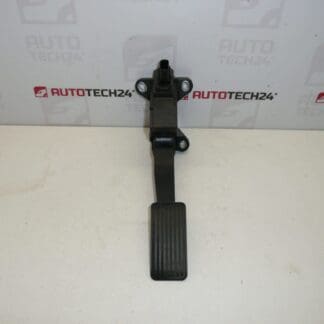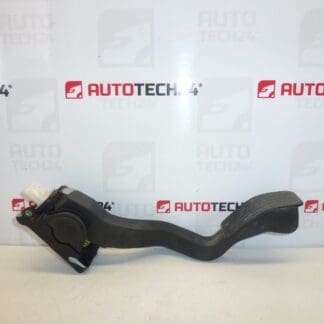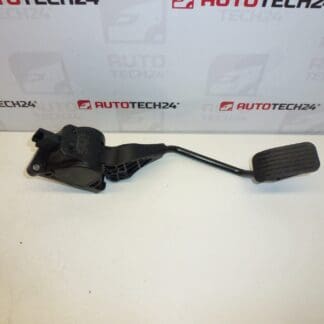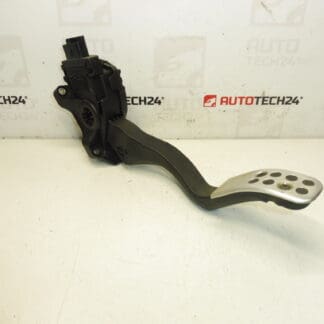
Description
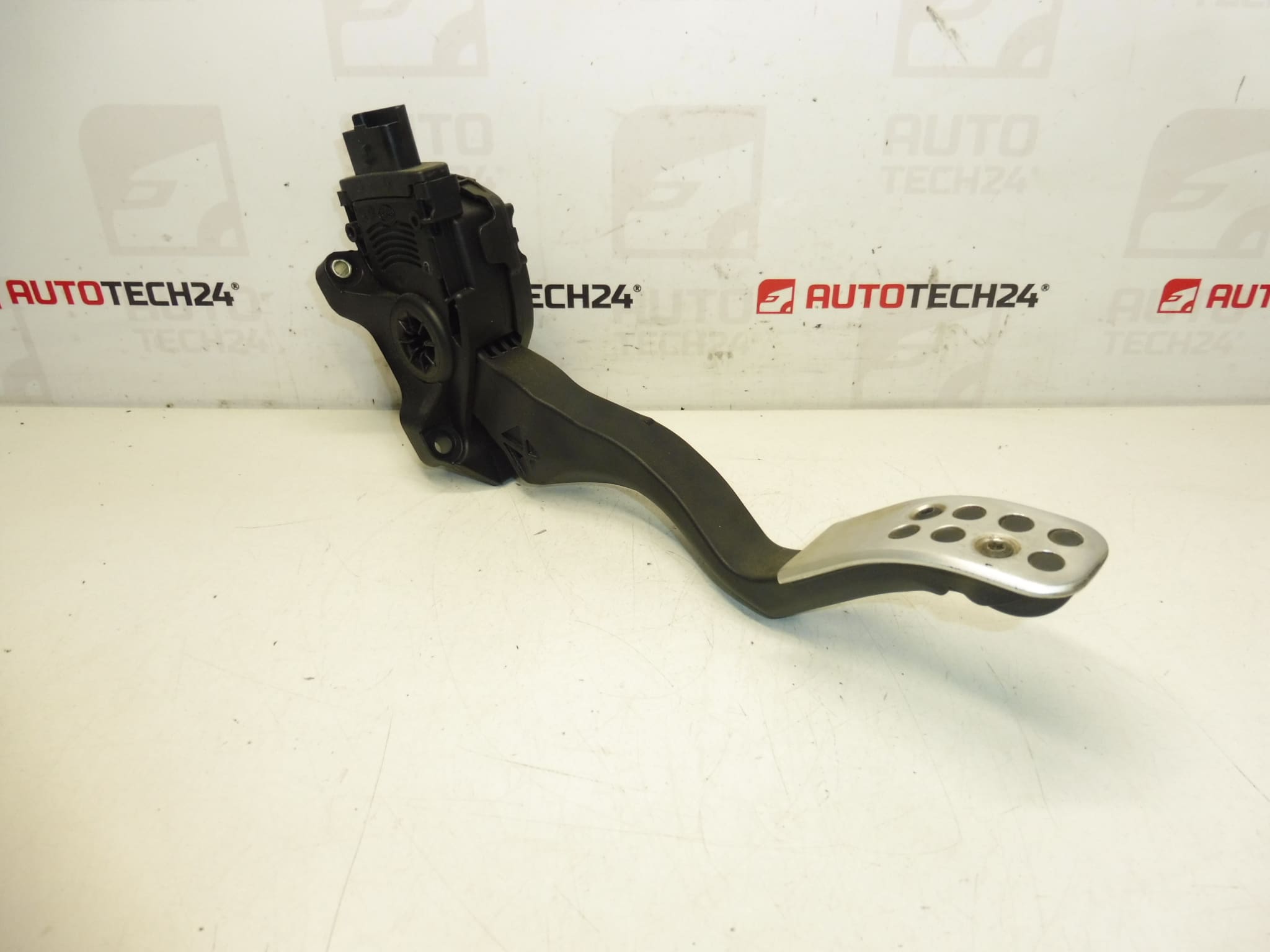
HELLA Throttle Pedal for Citroën and Peugeot Vehicles
High-quality HELLA Throttle Pedal designed for a range of Citroën and Peugeot models. This electronic accelerator pedal assembly is supplied with reference numbers 9671433880 and 1601CX and is intended as a direct replacement for worn or faulty original units. Built for professional workshops and DIY mechanics, the unit restores precise throttle response and reliable pedal position sensing, helping to eliminate throttle hesitation, limp-home mode or check-engine lamp events caused by a failing pedal sensor.
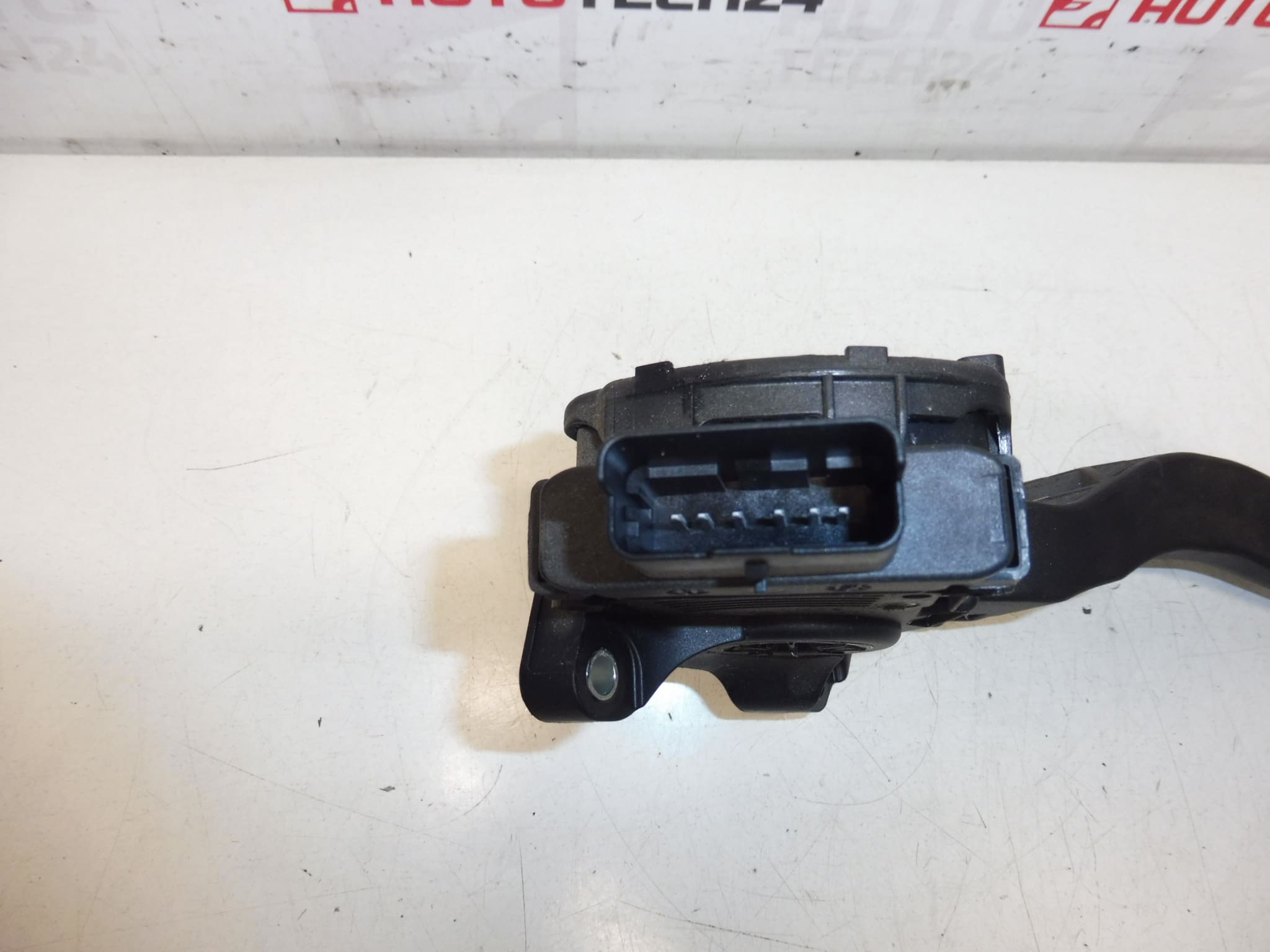
The assembly integrates the pedal arm and the pedal position sensor (accelerator potentiometer/angle sensor) in one compact module. It is manufactured to OEM-level fitment standards and matches the original mounting points and electrical connector for straightforward installation. Common search terms: HELLA throttle pedal, accelerator pedal 9671433880, 1601CX, Citroën throttle pedal, Peugeot accelerator pedal.
Function And Benefits
The throttle pedal sends the driver’s input as an electrical signal to the engine control system, allowing the ECU to manage throttle opening and engine response. Benefits of replacing a faulty pedal with a quality HELLA unit include improved throttle linearity, faster response, elimination of sporadic surges or lags, and reduced risk of related drivability faults.
Replacement Procedure
Replacement is straightforward for an experienced mechanic. Typical steps:
- Remove lower dashboard or footwell trim to access the pedal assembly.
- Disconnect the electrical connector from the pedal sensor.
- Remove the mounting bolts securing the pedal to the bracket.
- Fit the replacement pedal, tighten mounting bolts to the manufacturer’s specification, and reconnect the electrical plug.
- Reinstall trim panels and perform a basic ignition check to confirm correct operation.
On many models the replacement is plug-and-play, but some vehicles may require clearing stored fault codes or a throttle/pedal adaptation routine using a diagnostic tool.
Installation Recommendations
Always follow safe workshop practice: disconnect the battery before starting work and observe manufacturer instructions to avoid electrical damage. Inspect the wiring harness and connector for corrosion or damaged pins before connecting the new pedal. If a diagnostic tool is available, check for stored fault codes after installation and perform any required throttle or pedal adaptation procedures. Use proper torque values for mounting bolts as specified in the vehicle repair manual.
Most Common Cause Of Failure
Electronic throttle pedals typically fail due to internal sensor wear, contamination (moisture, dirt), connector corrosion or mechanical damage from impact. Symptoms include uneven throttle response, warning lights on the instrument cluster, loss of acceleration or limp-home mode. Age, high mileage and exposure to damp environments accelerate wear.
Technical Information
- Manufacturer: HELLA
- Model: Citroën C‑Elysée; Citroën C3 III; Peugeot 207; Peugeot 301; Peugeot 308
- Product Codes: 9671433880, 1601CX
- Other Numbers: Stellantis References (used on Citroën/Peugeot Vehicles)
Suitable For Mechanics And Enthusiasts: This HELLA throttle pedal is an ideal replacement part when searching by part number (9671433880, 1601CX) and is aimed at professional fitters and competent DIYers who maintain Citroën and Peugeot vehicles.