Description
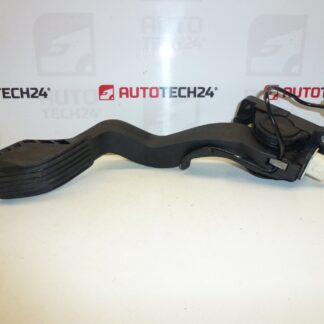
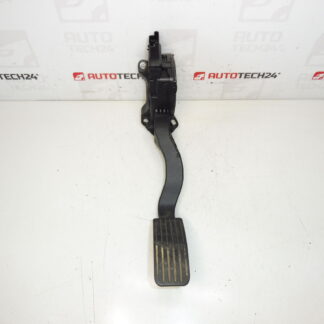
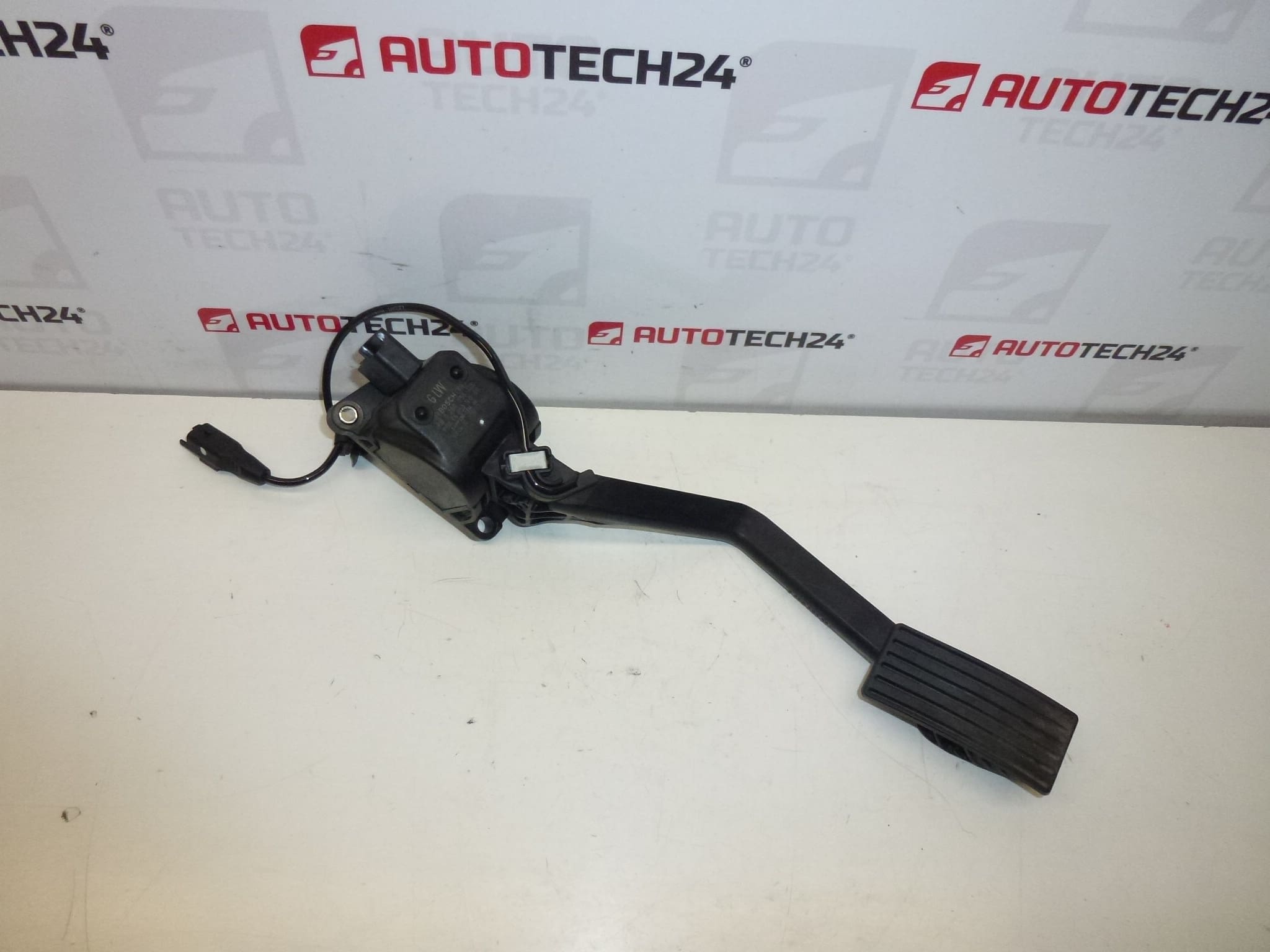
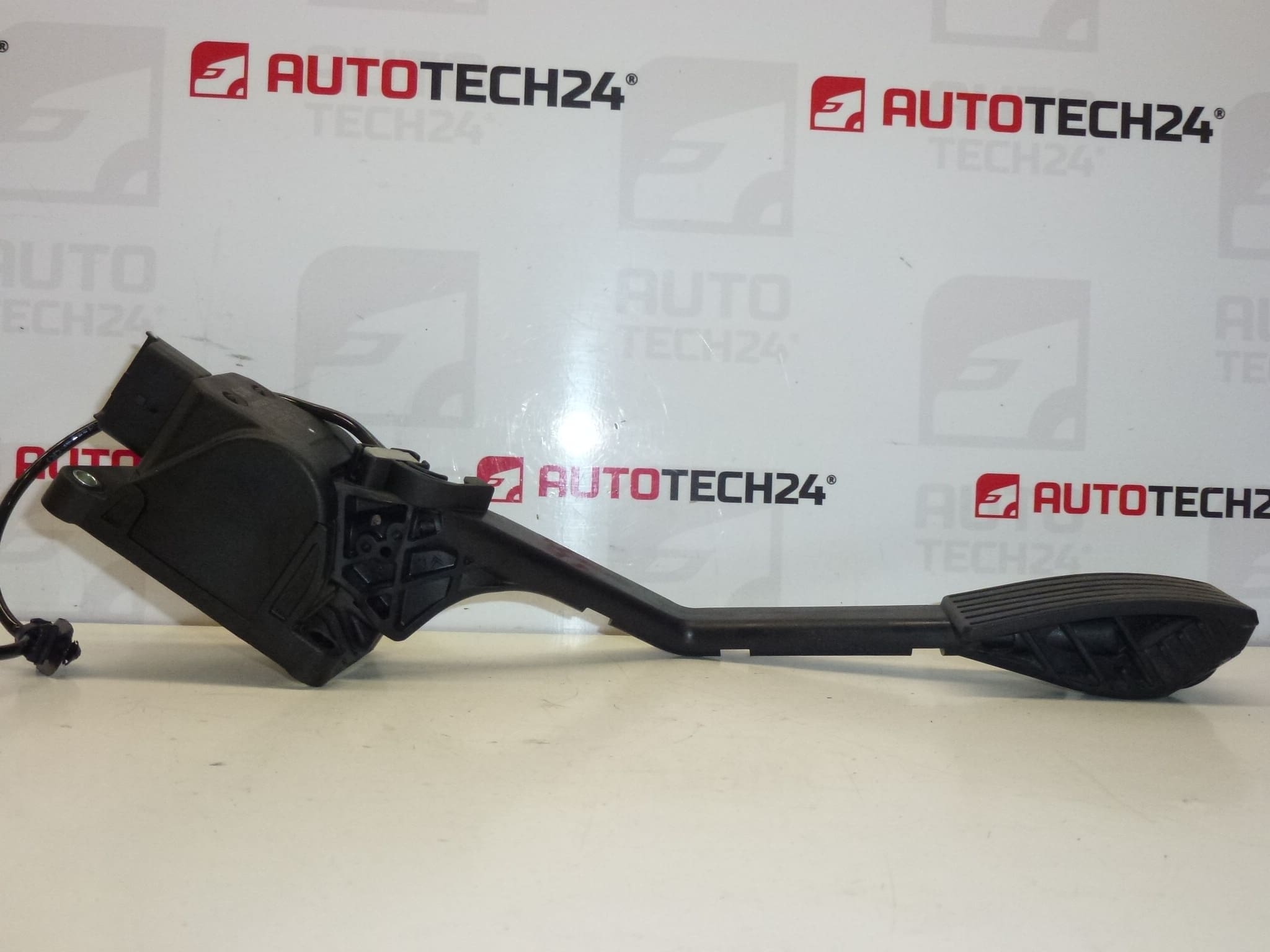
Accelerator pedal for Citroën C5 III and Peugeot 407
Replace unreliable throttle response with this Bosch accelerator pedal assembly (Bosch 1601Z0 / 1601EK), engineered for Citroën C5 III (X7) and Peugeot 407 models. This electronic throttle/pedal position sensor restores precise acceleration control and smooth engine response. The unit is suitable for professional workshops and DIY mechanics who frequently search by part number for fast, accurate replacement.
Technical Information
- Manufacturer: Bosch
- Model: Citroën C5 III (X7); Peugeot 407
- Product Codes: 1601Z0, 1601EK
- Additional Numbers: Not Provided
The pedal is an electronic accelerator pedal with an integrated position sensor (throttle potentiometer / pedal position sensor). It translates the driver’s pedal input into an electrical signal for the engine control unit (ECU), ensuring accurate throttle control and quick response. Designed to meet OE-style fit and electrical connectors for straightforward replacement on compatible vehicles.
How Replacement Is Done
Replacement is a medium-difficulty job suitable for experienced DIY mechanics and professional technicians. Typical steps:
- Park vehicle on level ground, engage parking brake and disconnect the negative battery terminal to avoid accidental throttle activation.
- Remove lower dashboard or footwell trim to access the pedal assembly.
- Unplug the electrical connector from the pedal position sensor.
- Remove the mounting bolts securing the pedal assembly and take out the old unit.
- Install the new pedal, tighten mounting bolts to firm snugness (follow vehicle manufacturer recommendations if available), reconnect the electrical connector and reassemble trim.
- Reconnect the battery, start the vehicle and check throttle response. Clear any related fault codes and, if required by the vehicle, perform throttle adaptation/calibration using compatible diagnostic equipment.
Installation Recommendations
- Always disconnect the battery before working on the throttle system to prevent unintended throttle movement.
- Inspect wiring harness and connector for corrosion or damage; replace or repair as needed to ensure reliable signal transmission.
- Do not force connectors—ensure pins are clean and correctly aligned before seating.
- After installation, verify there are no throttle-related fault codes and perform ECU adaptation/calibration if prompted by the vehicle diagnostics.
- If unsure about calibration or diagnostics, have a qualified technician complete the final checks.
Why This Part Commonly Fails
Electronic accelerator pedals generally last many years but can fail due to:
- Electrical Wear Or Sensor Degradation: Internal potentiometer or Hall sensors can drift or fail after long service life.
- Connector Corrosion Or Wiring Damage: Moisture ingress and corrosion at the connector can interrupt the signal to the ECU.
- Contamination And Dirt: Debris or liquids entering the pedal housing may impair sensor function.
- Mechanical Damage: Impact or stress from incorrect installation or footwell intrusion can damage the assembly.
No regular maintenance is required for the pedal itself; replace the unit when faults appear such as jerky throttle response, error codes related to pedal position sensor, or loss of acceleration control.