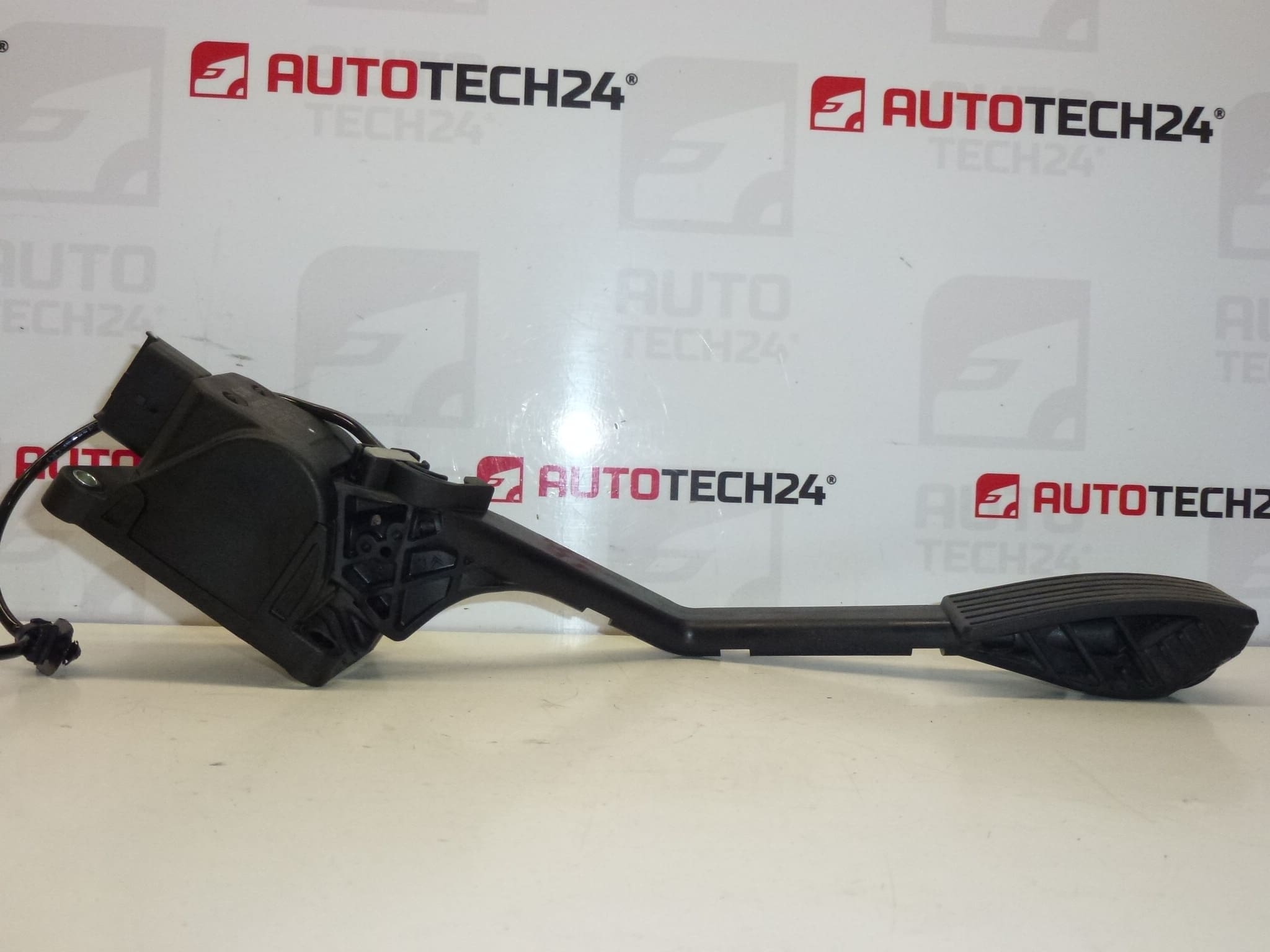
Description
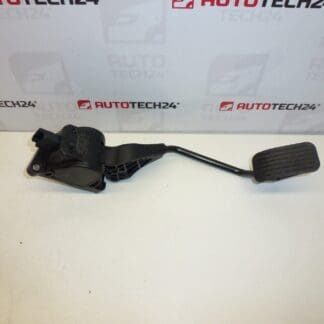
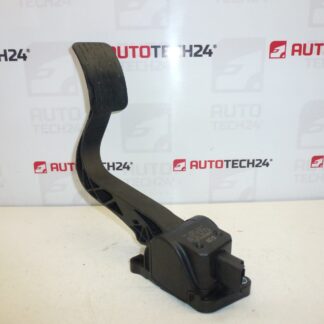
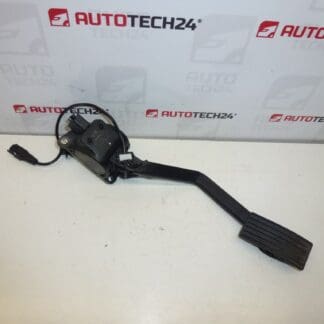
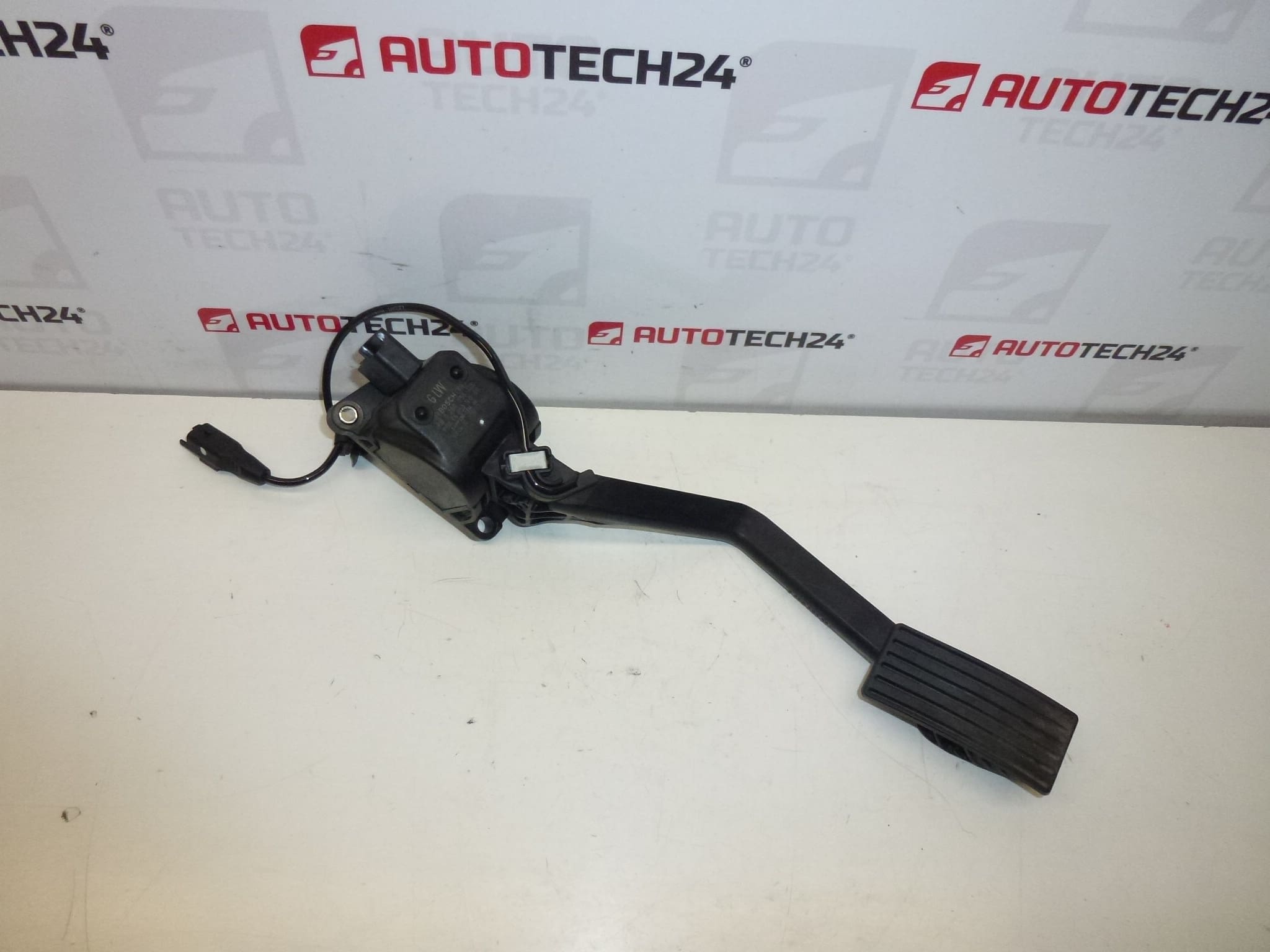
Accelerator pedal for CITROEN C5 III and PEUGEOT 407 cars
Part description
The accelerator pedal (accelerator pedal) is an electrical component that converts pedal position into a signal for the engine control system. This used part is intended for Citroën C5 III and Peugeot 407 cars and is suitable as a replacement for problems with throttle response, irregular dosing or signal failures. When choosing, be guided primarily by the matching of product numbers 1601Z0 / 1601EK.
Technical information
- Manufacturer: Bosch
- Model: Citroën C5 III (C5 X7), Peugeot 407
- Other numbers: not specified
Product codes
- Product codes: 1601Z0, 1601EK
Installation recommendations
Generally/typically for gas pedal replacement (electrical part) the exact steps may vary depending on the specific car model.
1) Before assembly
- Compare the new and original pedal: connector, shape, mounting and especially numbers 1601Z0 / 1601EK.
- Check the condition of the connector (bent pins, play), pedal body and mounting.
- It is recommended to disconnect the battery before handling the electrical connectors in the interior.
2) Necessary tools and materials
- Basic set of gola/ratchet and extension (depending on the type of fastening)
- Screwdrivers / plastic pry bar for caps (if it interferes)
- Flashlight
- Contact cleaner (optional) and a clean cloth
3) Step-by-step assembly procedure
- Secure the vehicle against movement and turn off the ignition.
- Disconnect the battery (minimizing the risk of short circuits and error conditions).
- Make the pedal space accessible (or remove the obstructing cover/trim).
- Locate the accelerator pedal connector and carefully disconnect it (do not pull on the wiring).
- Loosen the pedal fasteners and remove the pedal.
- Clean the landing surface and check that the wiring is not damaged or pinched.
- Mount the replacement pedal in its original position and fasten it.
- Connect the electrical connector – it must click firmly.
- Put back any covers/trims.
- Connect the battery.
- Turn on the ignition and check the pedal’s basic function (smooth operation without jamming).
-
4) Post-assembly checks and test drive/function verification
- Check that there are no warnings on the instrument panel and that the engine responds smoothly to addition.
- Do a short test ride and verify the smooth response throughout the pedal range.
- If the symptoms do not change, check the connector, the wiring and the correct seating of the pedal.
5) The most common assembly mistakes + how to avoid them
- Unsecured/poorly engaged connector → always check the locking and firmness of the connection.
- Pulling on the wiring when disconnecting → disconnect by the body of the connector.
- Exchanging a part without checking the numbers → compare 1601Z0 / 1601EK and the design of the connector before assembly.
- Pinched wiring after mounting the covers → run the wiring the same way as from the factory.
Reasons why the part is damaged
- Wear of the position sensor due to long-term use (unstable signal, blackouts).
- Intrusion of dirt/moisture into the area of pedals and connectors.
- Damage to the connector or wiring (loose pins, oxidized contacts, mechanical stress).
- Incompetent handling during disassembly/assembly (cracks in the pedal body, torn fastening).