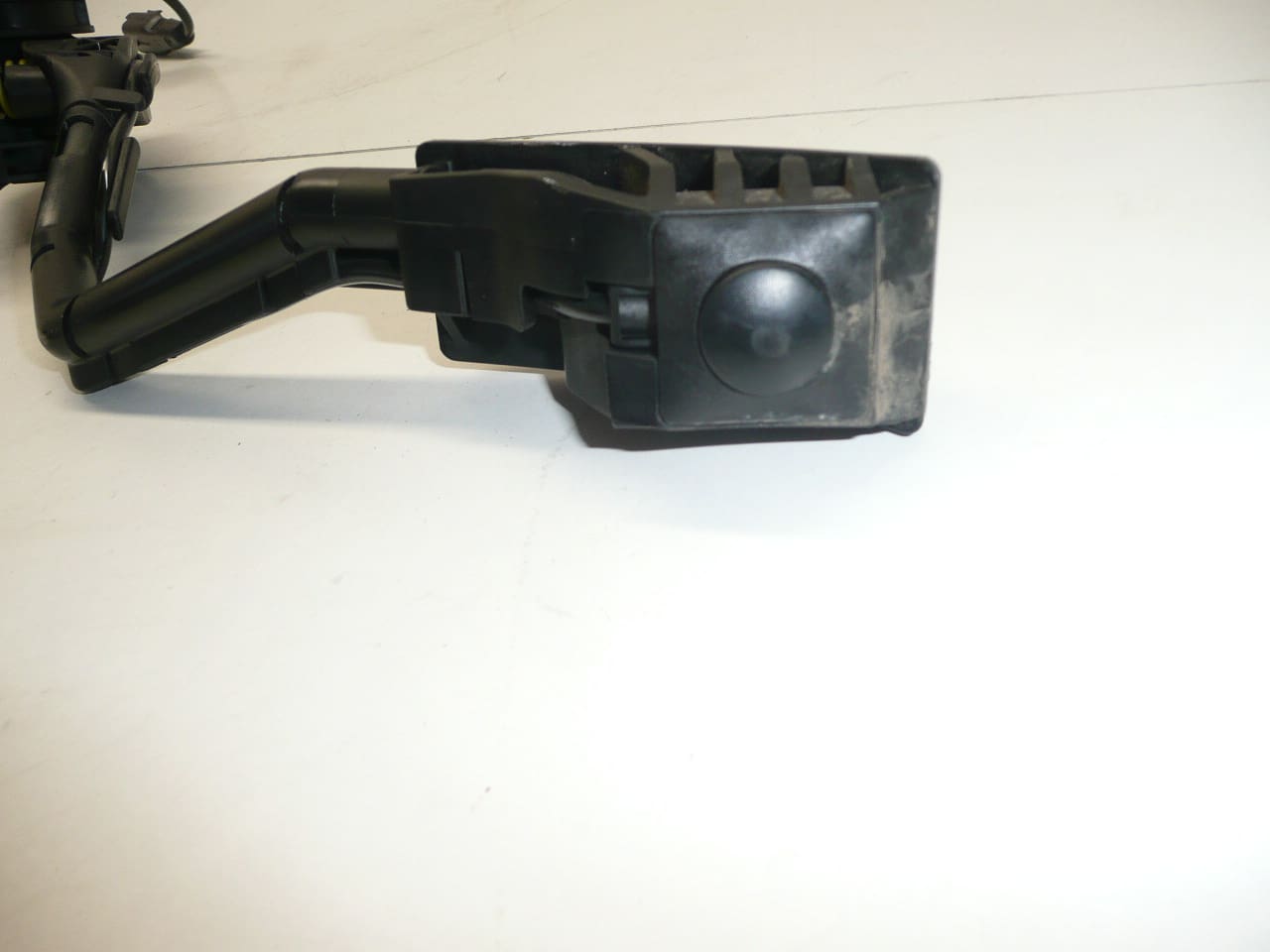
Description
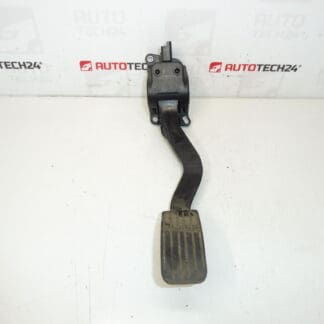
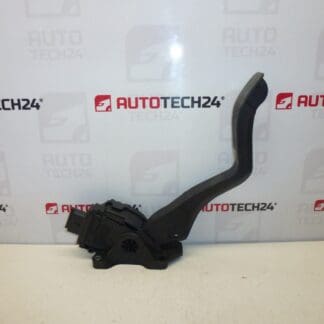
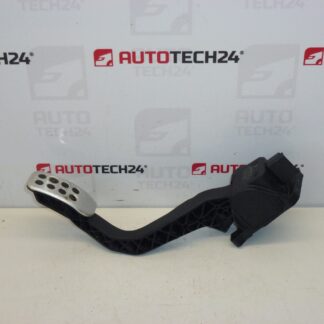
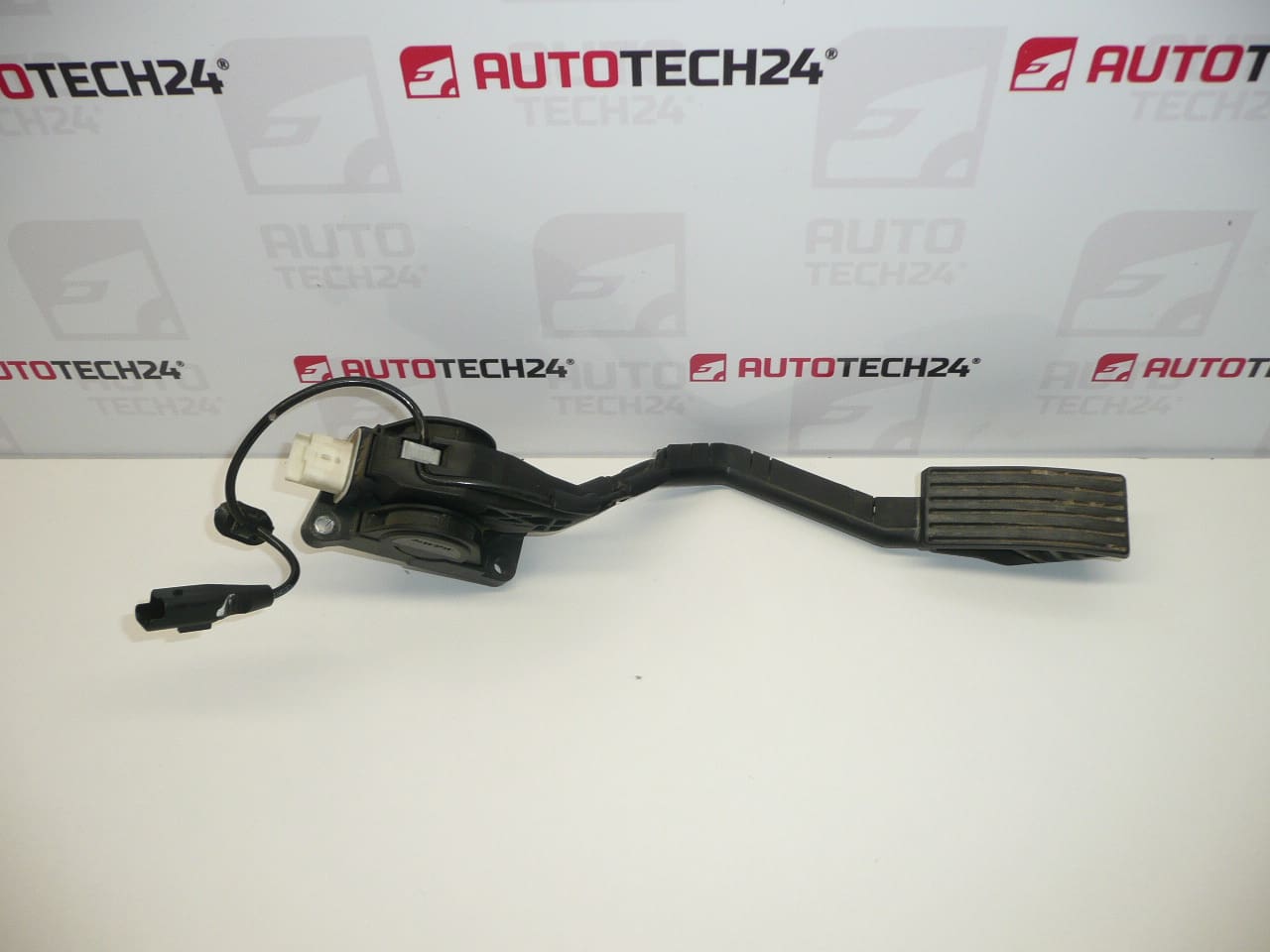
Throttle potentiometer pedal Citroën C5 Peugeot 407
With cruise control switch – kickdown
Tested – all values OK
This Bosch throttle pedal assembly is a direct-fit electronic accelerator potentiometer designed for drive-by-wire systems on compatible Citroën and Peugeot models. It integrates the accelerator position sensor and a cruise-control/kickdown switch, providing precise pedal travel feedback to the engine control unit for smooth throttle response and reliable cruise operation. Designed for professional workshops and experienced DIYers, this unit replaces the worn or faulty pedal sensor to restore correct engine behavior, idle stability and cruise control function.
Technical Information
- Manufacturer: Bosch / Stellantis (OEM Application)
- Model: Citroën C5, Peugeot 407
- Product Codes: 1601Q4, F00C3E2429
- Other Numbers: 9650341780, 0280755012, 1601Q0
Compatibility And Fitment
Fits Citroën C5 and Peugeot 407 models that use an electronic throttle pedal with integrated cruise/kickdown switch. Always check the part numbers against the vehicle’s existing unit: common reference numbers include 1601Q4, F00C3E2429, 9650341780 and 0280755012.
Function And Symptoms Of Failure
The pedal assembly measures driver demand and sends a proportional voltage signal to the ECU. It also houses the cruise control/kickdown switch used for torque management during cruise or kickdown events. Common symptoms of a failing unit include jerky throttle response, delayed or unresponsive acceleration, engine error codes related to accelerator pedal position, loss or instability of cruise control, and occasionally limp-home mode triggered by the ECU.
Why The Part Fails Most Often
Failures are typically caused by wear of the internal potentiometer tracks, contamination (dust, moisture) entering the connector or sensor housing, corrosion of electrical contacts, or broken wiring/connector pins due to repeated pedal movement and footwell environment. High mileage, harsh environments (salt, dirt) and poor connector sealing accelerate deterioration.
Installation Recommendations
Recommended for professional installation but feasible for experienced DIYers. General replacement steps:
- Ensure the ignition is off. For safety and to avoid unintended inputs, disconnect the negative battery terminal before removing the pedal connector.
- Remove any lower dash trim or footwell covers to access the pedal assembly and electrical connector.
- Unplug the electrical connector, release retaining clips and unbolt the pedal assembly from its mounting points.
- Install the new pedal assembly, torque mounting bolts to manufacturer specification, reconnect the electrical connector and reassemble trim.
- Reconnect the battery. Start the vehicle and verify normal throttle response and cruise control operation. The ECU may register a diagnostic code that can be cleared with a diagnostic tool; in some cases the system will relearn pedal values automatically after a short drive.
Use dielectric grease on connector pins if required and avoid forcing connectors to prevent damage. If fault codes persist after installation, perform a full diagnostic check of wiring, ECU inputs and grounds.
Additional Notes
This part is ideal when exact OE reference numbers match the vehicle. Using genuine or equivalent-quality sensor assemblies helps ensure correct signal characteristics and long-term reliability. For workshops, listing the referenced part numbers in service records simplifies future troubleshooting and ordering.