Description
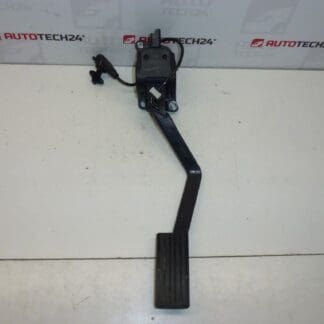
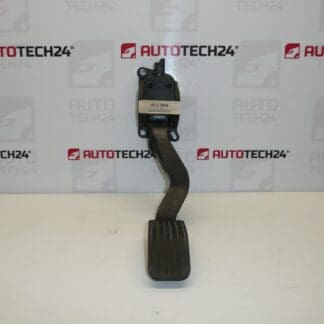
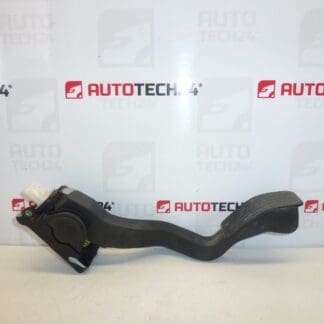
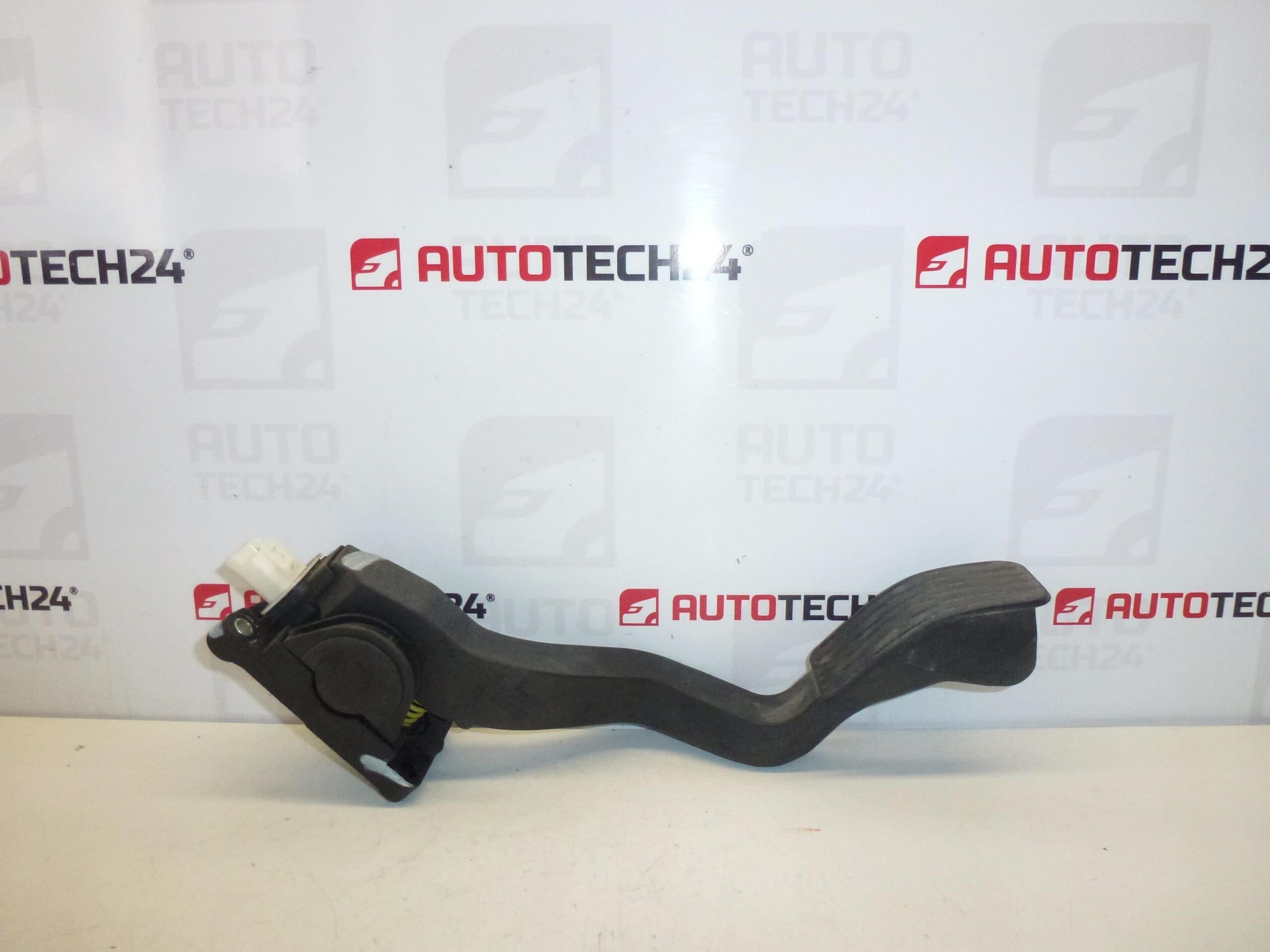
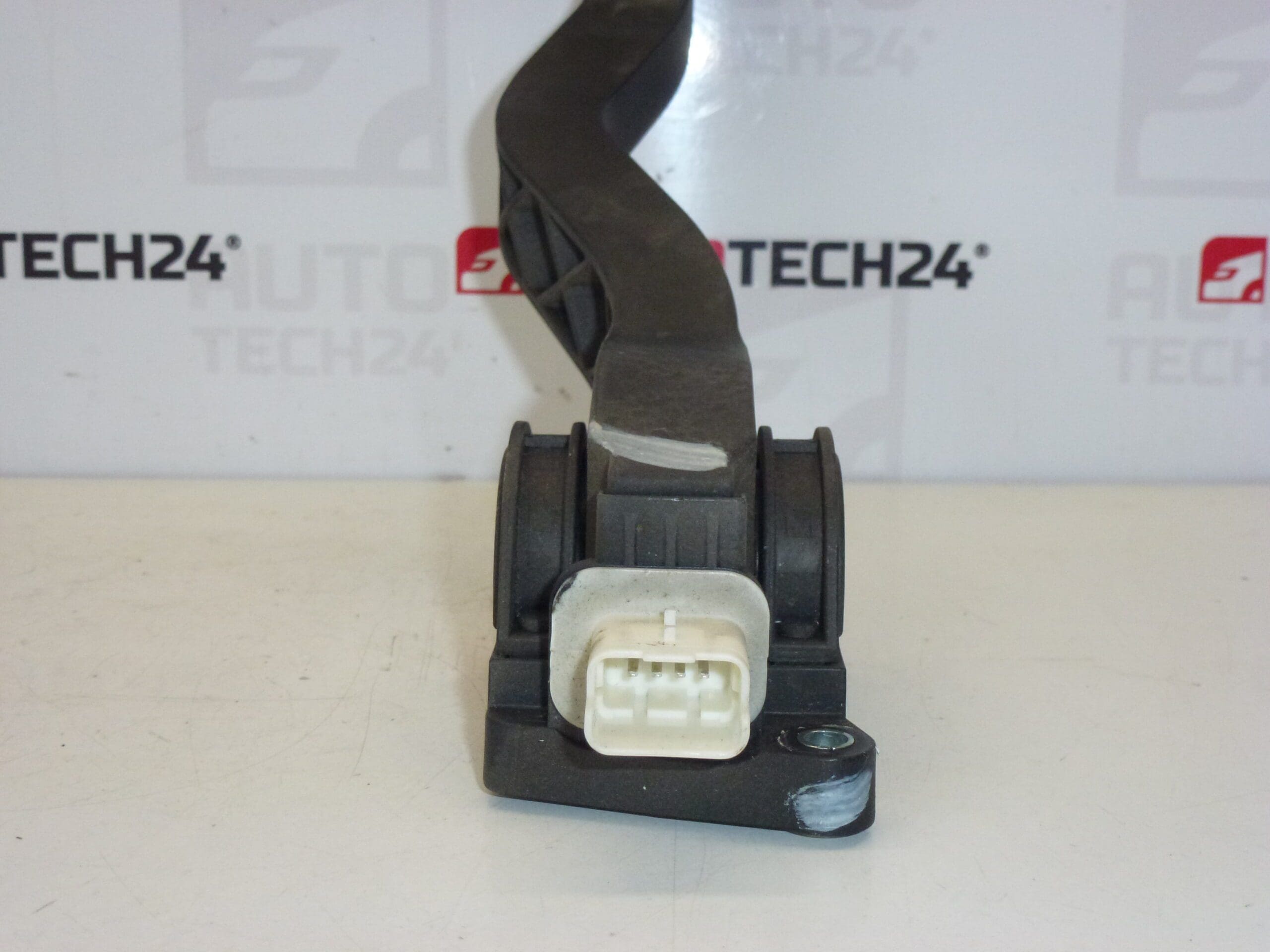
Throttle potentiometer BOSCH for Citroën and Peugeot vehicles.
This Bosch accelerator pedal potentiometer (accelerator pedal position sensor) is a direct-fit electronic component used on various Citroën and Peugeot models. It converts pedal movement into a precise electrical signal for the Engine Control Unit (ECU), ensuring accurate throttle response in modern drive-by-wire systems. The part is commonly referenced by Bosch and PSA numbers, making it easy to find by part code for quick replacement in professional workshops or by experienced DIY mechanics.
Technical Information
- Manufacturer: Bosch
- Model: Citroën C2; Citroën C3; Citroën C3 Pluriel; Peugeot 1007; Peugeot 307
- Product Codes: 0280752251; 9646702180
- Other Numbers: 1601K7; NFP
Function And Typical Symptoms
The potentiometer measures the accelerator pedal position and sends an analogue or digital signal to the ECU to regulate engine torque and throttle opening. When the sensor degrades, common symptoms include illuminated Check Engine Light, reduced engine power or limp-home mode, erratic idle, delayed throttle response, or loss of cruise control function. Fault codes related to the accelerator pedal position sensor or throttle control often appear in the vehicle diagnostics.
Installation Recommendations
- Disconnect the negative battery terminal before starting work to avoid accidental short circuits.
- Remove required interior trim panels or pedal covers to access the pedal assembly—work carefully to avoid breaking plastic clips.
- Unplug the electrical connector from the potentiometer and remove the mounting screws or bolts securing the sensor to the pedal assembly.
- Fit the new unit in the same orientation, secure fasteners to the vehicle manufacturer’s recommended torque values, and reconnect the electrical connector.
- After installation, clear stored fault codes and perform a throttle/ECU relearn procedure if required by the vehicle (use an OBD diagnostic tool to verify the sensor signal and clear DTCs).
- Always follow the vehicle manufacturer’s workshop manual for detailed removal and installation steps and torque specifications.
Most Common Causes Of Failure
- Wear Of Internal Potentiometer Track: Repeated pedal movement gradually degrades the sensing element causing inconsistent signals.
- Moisture And Corrosion: Water ingress or corroded connector pins lead to intermittent or lost communication with the ECU.
- Mechanical Damage: Impact or excessive force on the pedal assembly can damage the sensor or its mounting.
- Wiring And Connector Issues: Chafed wires, poor contacts, or pin deformation result in faulty readings.
Choosing a correct Bosch-coded unit (0280752251 / 9646702180) ensures compatibility with the listed Citroën and Peugeot models and restores reliable pedal sensing and throttle control. Ideal for workshops and experienced DIYers who need a replacement part identified by OE or Bosch part numbers.