Description
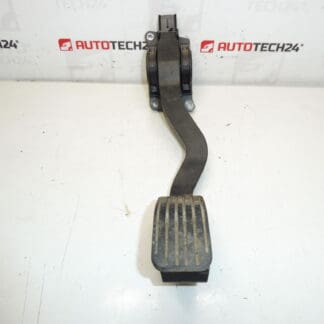
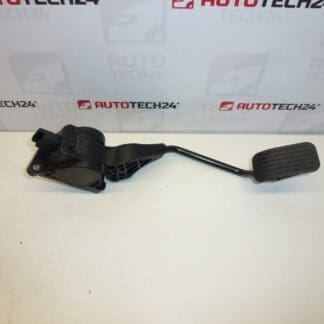
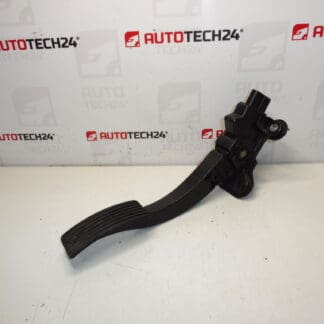
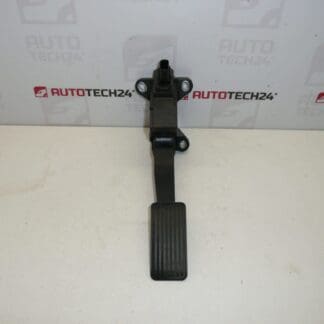
Throttle pedal for Citroën C1, Peugeot 107 and Toyota Aygo (automatic).
This electronic accelerator (throttle) pedal assembly is intended for use on Citroën C1, Peugeot 107 and Toyota Aygo models with automatic transmission. It replaces the worn or faulty pedal sensor and restores precise throttle control, eliminating hesitation, unresponsive accelerator or intermittent engine warning lights related to pedal position faults. Ideal for professional workshops and DIY mechanics who frequently look up parts by product code.
Key Features
- Electronic throttle pedal with position sensor (potentiometer category) designed for reliable signal output to the ECU.
- Direct fit for models listed — plug-and-play replacement when compatible with original connectors and mounting points.
- Restores accurate pedal position sensing for smooth acceleration and correct throttle mapping.
- Useful spare for garages and independent technicians servicing small city cars from the PSA/Toyota joint platform.
Compatibility And Symptoms
Fits: Citroën C1, Peugeot 107 and Toyota Aygo (automatic transmission versions). Common symptoms indicating pedal unit failure include intermittent or delayed throttle response, surging, sudden loss of acceleration, illumination of the engine warning light (ECU fault codes related to throttle/pedal position), or the vehicle entering limp-home mode. These faults often point to worn sensor tracks, internal electrical failure, or connector/wiring issues.
Technical Information
- Manufacturer: Stellantis
- Model: Citroën C1; Peugeot 107; Toyota Aygo (Automatic)
- Product Codes: 78110-0H010, 78110-0H011, 1601ET
- Additional Numbers: NFP
Installation Recommendations
Always disconnect the vehicle battery before starting removal or installation to avoid short circuits and ECU errors. Typical replacement procedure for a competent mechanic or experienced DIYer:
- Remove lower dashboard or trim panels to access the pedal assembly.
- Unplug the electrical connector and remove mounting bolts securing the pedal bracket.
- Fit the new pedal assembly, secure bolts and reconnect the electrical connector. Tighten fasteners to the manufacturer’s specification.
- After installation, check for correct operation: key on engine off — verify pedal sensor voltage/position signal and confirm no fault codes are present. If codes remain, clear them and perform a test drive.
Most Common Failure Reasons
- Sensor Wear: Internal potentiometer contacts or sensing elements can wear over time, causing intermittent signals or drift.
- Contamination and Corrosion: Moisture, dirt or corrosion in the connector or inside the unit leads to poor electrical contact.
- Mechanical Damage: Broken return spring, cracked plastic mounts or impact damage from footwell debris or improper handling.
- Wiring And Connector Issues: Chafed wires, loose pins or corrosion at the connector can mimic pedal failure.
Replacing a faulty throttle pedal assembly typically restores normal driveability. For workshops, keeping this part in stock speeds up repairs on the PSA/Toyota city-car platform. Always follow the vehicle manufacturer’s repair procedures when servicing electronic components.