Description
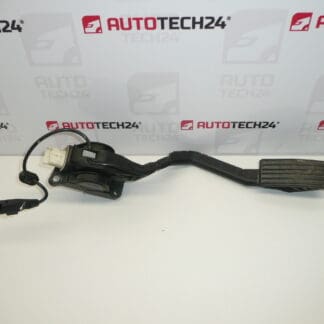
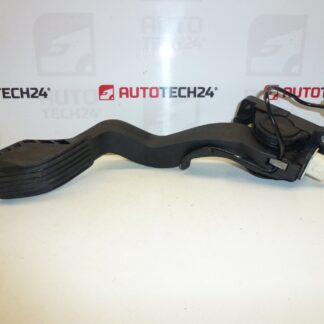
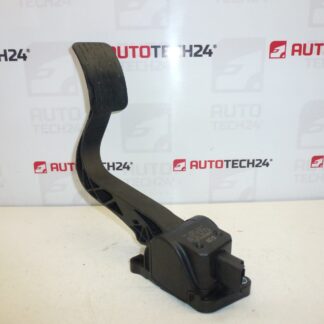
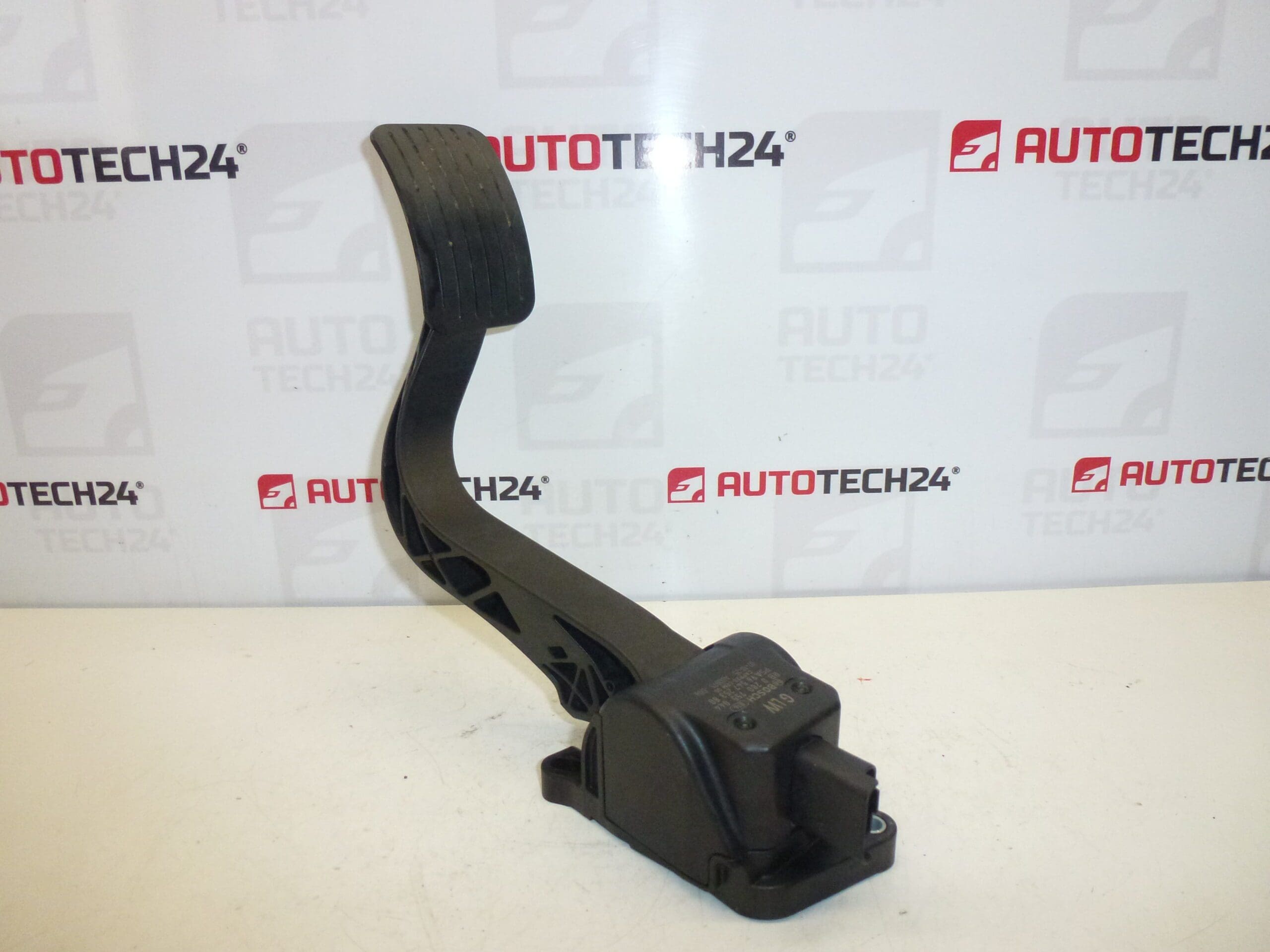
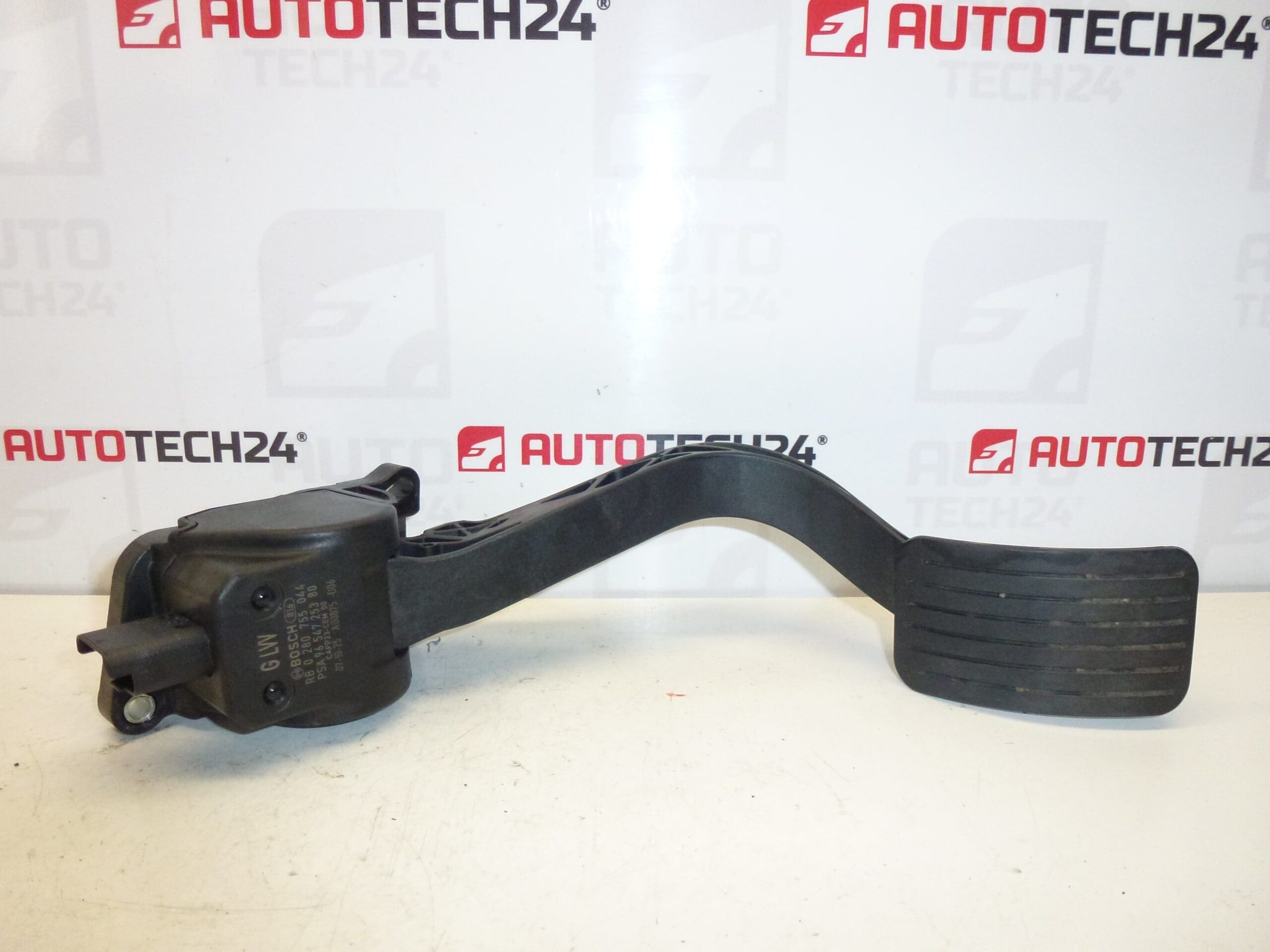
Throttle pedal for CITROËN C4 Picasso and Grand Picasso vehicles
This genuine-style electronic accelerator pedal (drive-by-wire) is designed for Citroën/Peugeot MPVs and delivers precise throttle position feedback to the engine control unit. The unit integrates potentiometer sensors that convert driver input into an electrical signal, ensuring smooth response and reliable idle control. Commonly searched by product numbers, this part is a direct-fit replacement for vehicles using the listed codes and is suitable for professional garages and DIY mechanics who maintain Stellantis group cars.
Technical Information
Manufacturer: Stellantis (Citroën / Peugeot)
Model: Citroën C4 Picasso, Grand Picasso
Product Codes: 0280755044, 9654725380, 1601S3, NFP
Other Numbers: (see product codes above)
Function
The pedal is an electronic throttle control (drive-by-wire) that measures the accelerator position via integrated potentiometer sensors and sends this data to the engine control unit (ECU). The ECU then controls the throttle body and engine response. Proper operation is essential for smooth acceleration, engine idle stability and fuel management.
Fitment / Vehicles
Designed for Citroën C4 Picasso and Grand Picasso models that use the listed product codes. Buyers frequently search by the part numbers above to confirm compatibility. Verify the part number against the existing unit to ensure correct fitment.
Replacement Procedure (Overview)
- Park vehicle on level ground, engage parking brake and disconnect the negative battery terminal before starting work.
- Remove lower dash trim or footwell covers as required to access the pedal assembly.
- Unplug the electrical connector from the pedal—use proper terminal release tools to avoid damage.
- Remove mounting bolts securing the pedal assembly to the bracket or bulkhead, then extract the pedal module.
- Install the new pedal in reverse order: secure mounting bolts to manufacturer torque, reconnect the electrical connector and reassemble trim.
- Reconnect the battery. Clear any stored fault codes and, if necessary, perform throttle/accelerator calibration with a suitable diagnostic tool to ensure correct idle and response.
Installation Recommendations
- Always disconnect the battery before removing or installing the pedal to prevent electrical damage.
- Inspect the wiring harness and connector for corrosion, bent pins or damage and repair as needed before fitment.
- Use torque values and fastening procedures recommended by the vehicle manufacturer to avoid distortion or failure of mounting points.
- After installation, check for fault codes and verify throttle response on a test drive. If electronic adaptation or coding is required, use appropriate PSA diagnostic equipment.
Why This Part Fails
Accelerator pedals can fail due to internal potentiometer wear, contamination (moisture, dirt), connector corrosion, or physical damage from impacts. Electrical faults or intermittent signals typically cause the ECU to register throttle position faults, reduced engine power, or hesitation. Failures become more likely with high mileage, exposure to a wet environment, or damaged wiring.
Why Choose This Replacement
Replacing a faulty accelerator pedal restores accurate throttle response and eliminates drivability issues such as limp mode, surging or poor idle. Using the correct part number ensures plug-and-play fitment and reduces the need for extensive adaptations. Suitable for both professional mechanics and experienced DIY enthusiasts.