Description
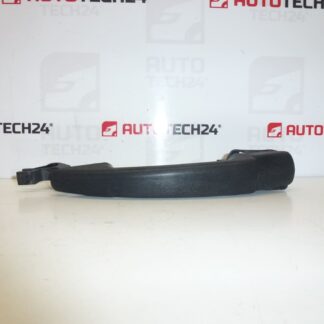
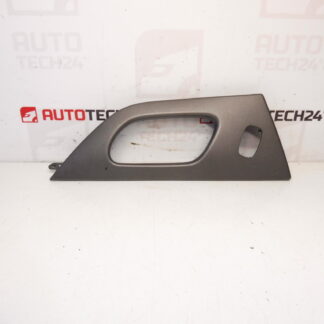
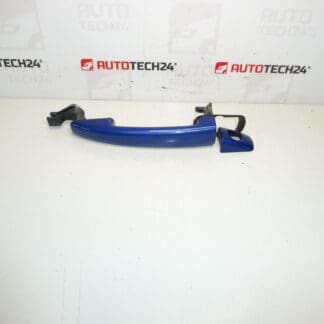
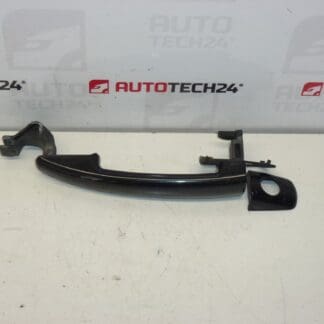
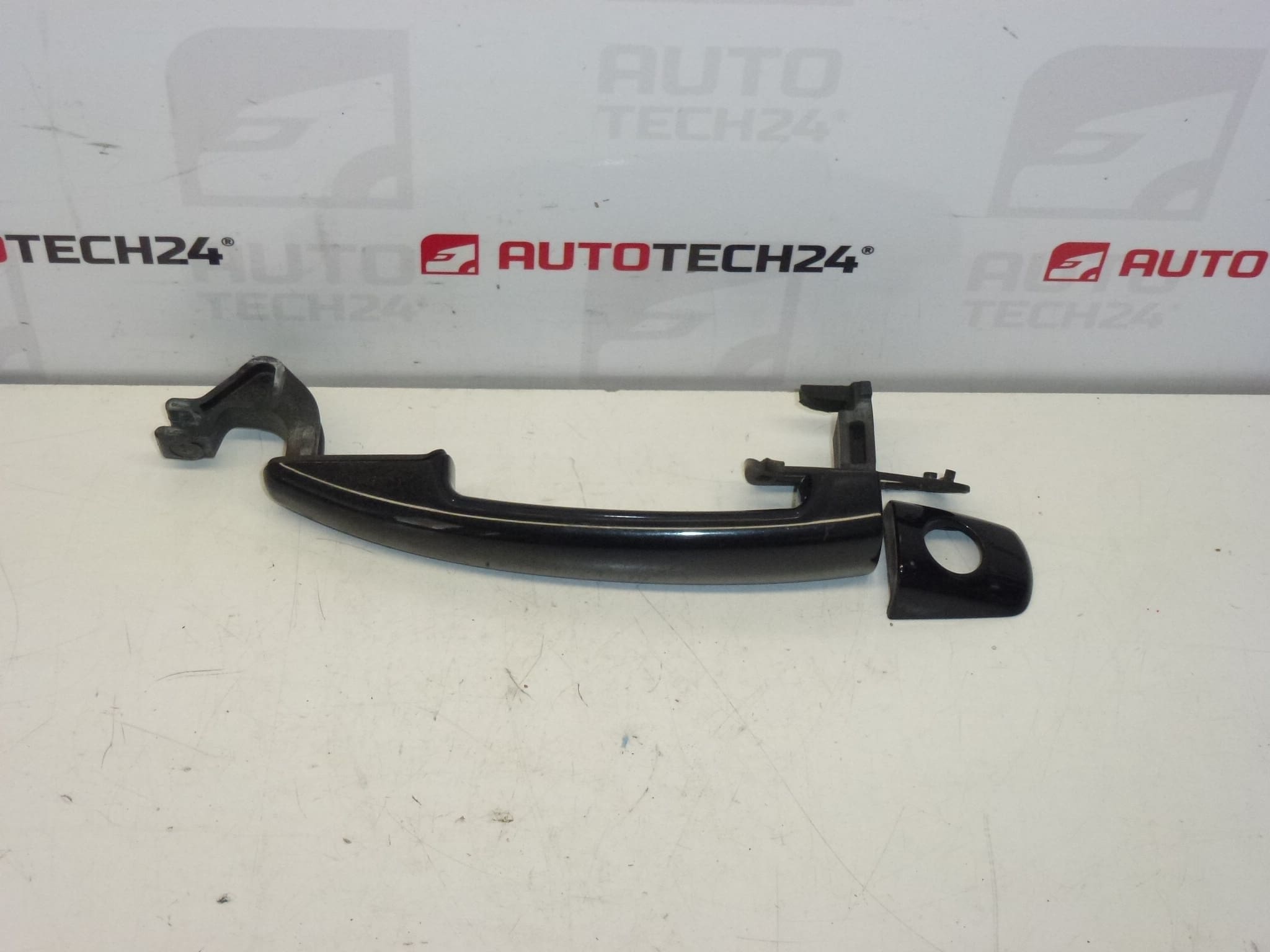
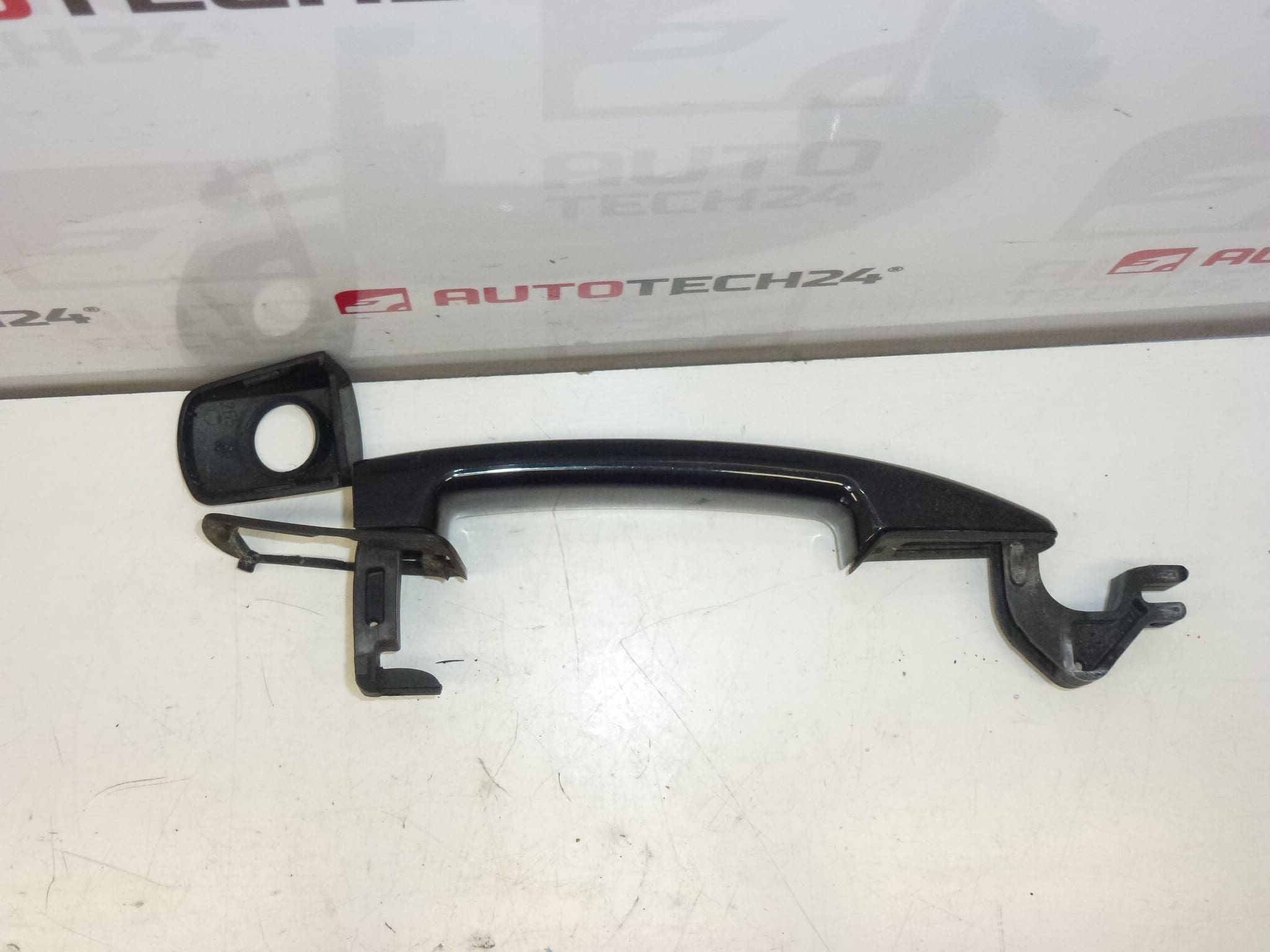
Left front driver’s door handle for Citroën C4 and C6 and Peugeot 407
Color KTV – Paint Black Perla Nera
Driver’s door
This exterior door handle is a direct-fit replacement designed for the left front (driver’s) door of Citroën C4, Citroën C6 and Peugeot 407 models. Finished in Black Perla Nera (KTV), it restores the vehicle’s outward appearance and ensures reliable operation of the door latch and central locking linkage. Ideal for professional workshops and experienced DIY enthusiasts looking for a precise match to the original equipment style and color.
Technical Information
- Manufacturer: Stellantis / Citroën / Peugeot
- Model: Citroën C4, Citroën C6, Peugeot 407
- Product Codes: 9101EP, KTVD, Color Code KTV
- Other Numbers: –
Installation Recommendation
Replacement requires standard door interior trim removal. Recommended steps:
- Remove interior door panel and protective vapor barrier to access the handle mounting area.
- Disconnect any electrical connectors for central locking or keyless entry if present.
- Unscrew retaining bolts and carefully detach the linkage rods from the old handle (note the clip positions).
- Remove the old handle and clean the mounting area of dirt and corrosion.
- Install the new handle, reconnect linkage rods and secure all fasteners to the manufacturer’s torque guidance where available.
- Reattach electrical connectors, check central locking operation and mechanical movement, then refit the door panel.
Always wear protective gloves and eye protection. Disconnect the battery if you will be working near electrical connectors or powered locking actuators to avoid short circuits or unintentional actuation.
Most Common Failure Reasons
- Mechanical Wear: Repeated use causes internal springs and plastic pivot points to fatigue and eventually break.
- Impact Damage: Door collisions or attempted forced entry can crack the handle housing or deform mounting points.
- Corrosion: Moisture and road salt can corrode metal fixings and linkages, leading to stiff or seized operation.
- Freezing And Dirt Ingress: Water and debris inside the mechanism can freeze or jam moving parts in cold climates.
- Paint Degradation: Surface finish may chip or peel over time, exposing substrate to further damage.
Practical Tips
- Before installation, compare the replacement handle visually with the original to confirm color and mounting points match.
- Lubricate moving metal-to-metal linkages with a light grease to prolong service life and reduce noise.
- If central locking is fitted, check actuator function after fitting; adjust linkage length if necessary for smooth operation.
- Typical Service Life: Varies with use and environment, commonly several years; heavily used or salt-exposed vehicles can require replacement sooner.