Description
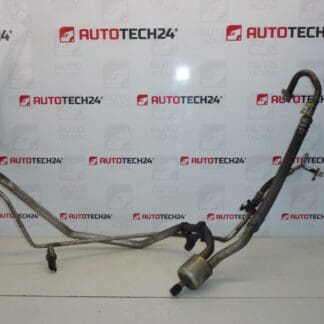
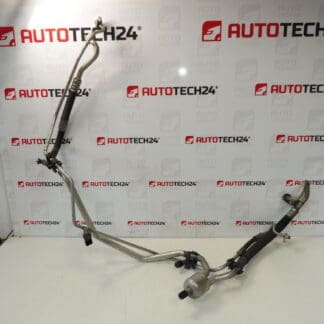
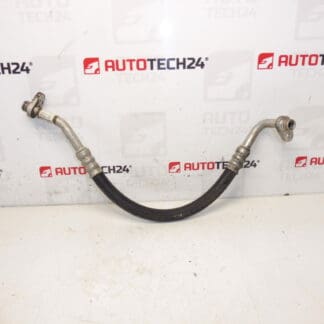
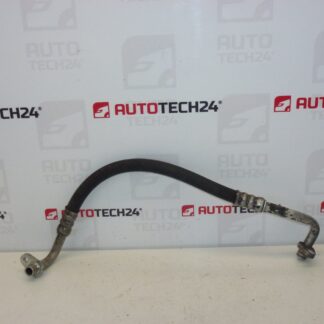
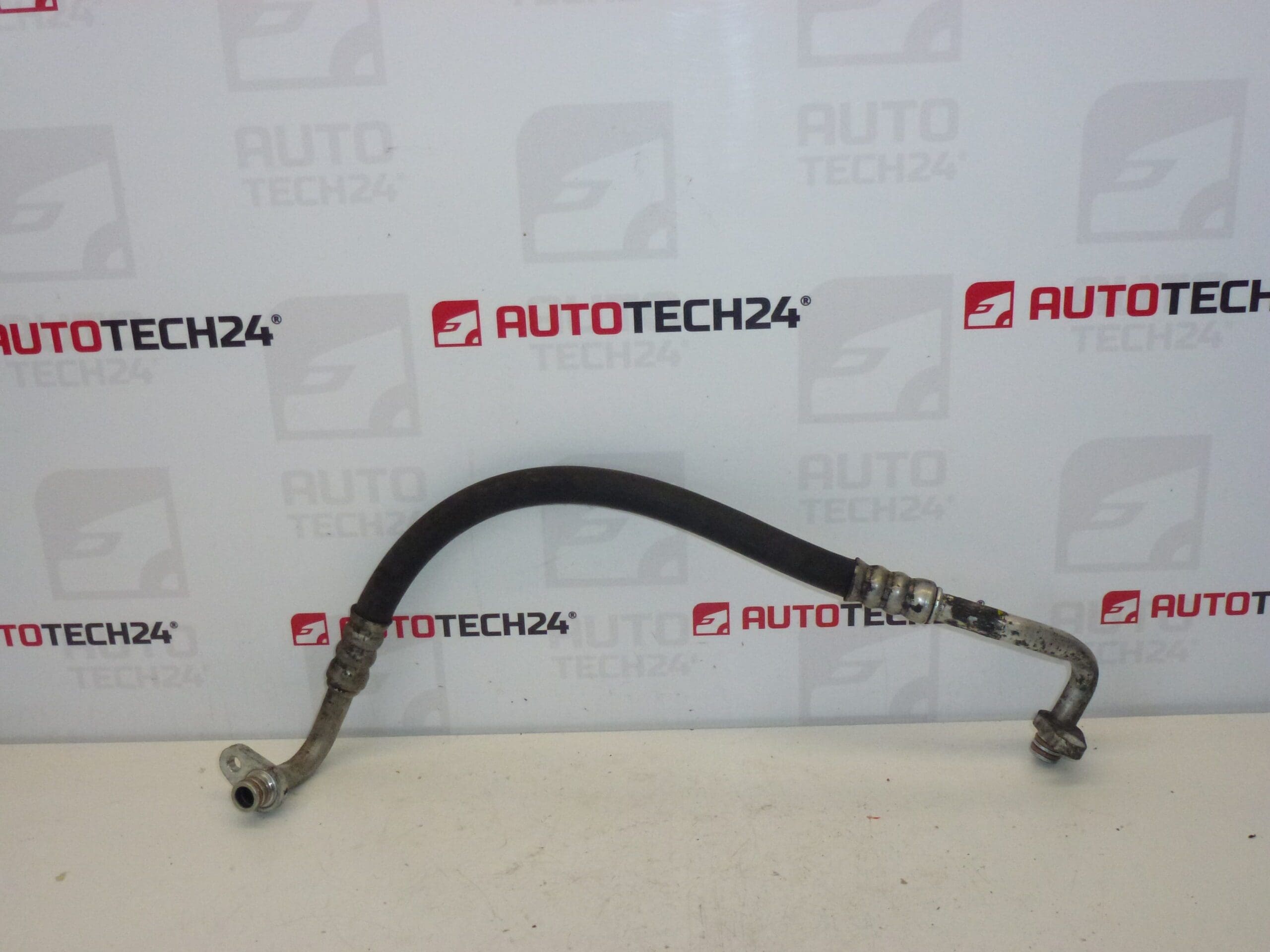
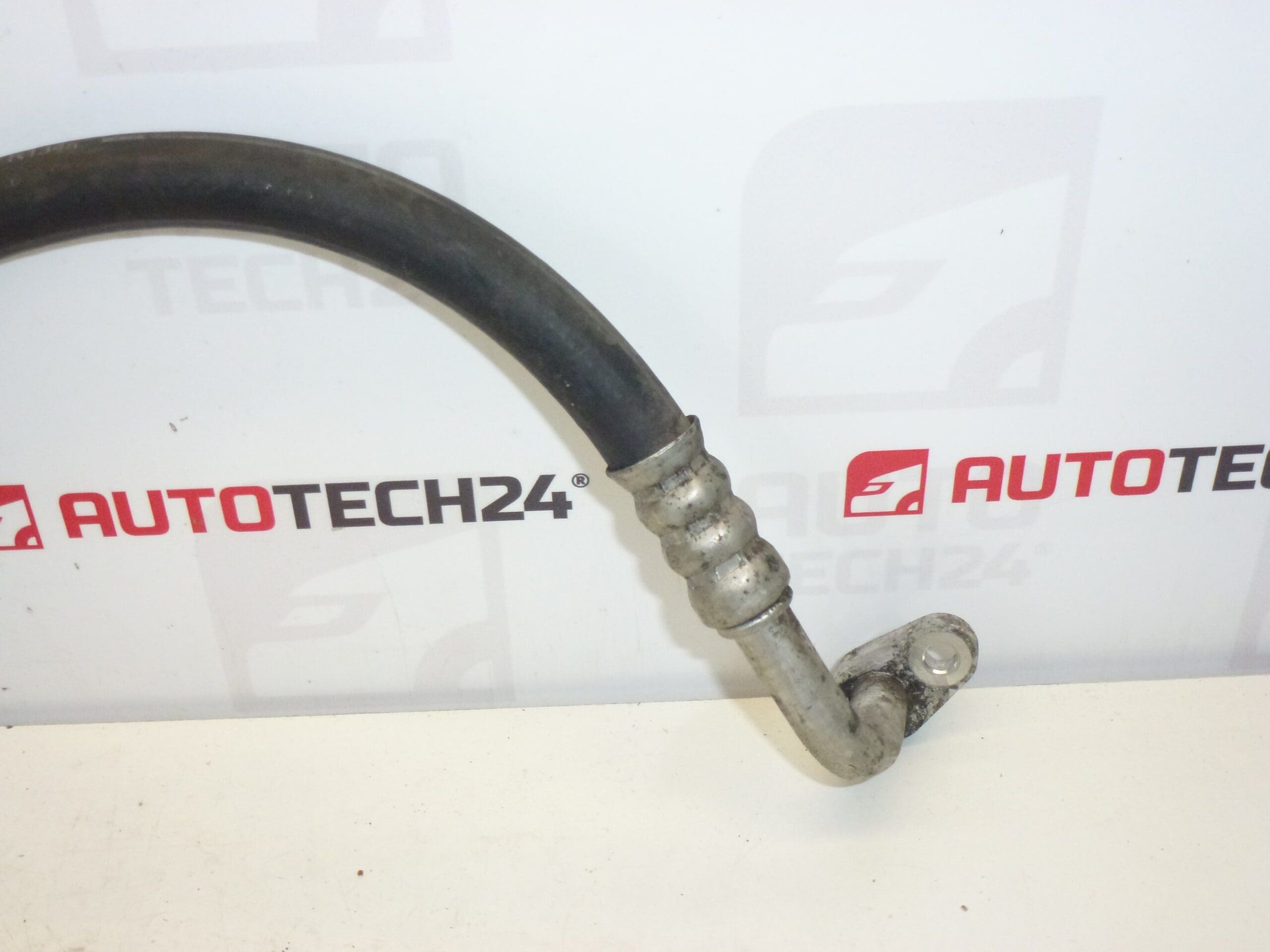
Refrigerant pipe for Citroën and Peugeot vehicles with 2.0 HDi RHR engine.
Product Overview
This refrigerant pipe is intended for the air conditioning system of Citroën and Peugeot vehicles equipped with the 2.0 HDi RHR engine. It carries refrigerant between components in the A/C circuit and is a direct-fit replacement often searched by part number. The pipe is designed to restore proper coolant flow and eliminate leaks that reduce cooling performance.
Features And Function
The pipe routes high- or low-pressure refrigerant within the A/C system, connecting compressor lines, condenser, evaporator or receiver-drier depending on vehicle layout. Proper sealing at the fittings and undamaged tubing are essential for maintaining system pressure and ensuring efficient air conditioning. When replaced with the correct part number, it restores original routing and connection geometry for trouble-free installation.
Technical Information
- Manufacturer: Stellantis / Citroën / Peugeot
- Model: Citroën C4 Picasso (2.0 HDi RHR) — May Fit Other Citroën/Peugeot Models With RHR 2.0 HDi Engine
- Product Codes: 9685503180, 9656859280
- Other Numbers: 6477D7, 6460XF, NFP
Replacement Procedure
Basic replacement steps (overview for experienced technicians and competent DIYers): Recover the refrigerant from the system with appropriate recovery equipment. Remove any brackets or fasteners securing the pipe and carefully disconnect the fittings. Replace all O-rings/seals with new parts lubricated with the correct refrigerant oil. Fit the new pipe, secure mounting points, and torque connections to manufacturer specifications. Evacuate the system with a vacuum pump, perform leak detection, then recharge and test the system for correct pressure and cooling performance.
Installation Recommendations
- Always recover refrigerant before disassembly using certified equipment and procedures.
- Replace sealing O-rings and apply the correct refrigerant oil to ensure leak-free joints.
- Use proper torque values on fittings and secure all brackets to avoid vibration contact.
- Perform a vacuum and leak test after installation, then recharge to the manufacturer-specified refrigerant level.
- Follow standard safety precautions when working with pressurized refrigerant and vehicle service data when available.
Common Failure Causes And Lifespan
Refrigerant pipes commonly fail due to corrosion from road salt and moisture, mechanical damage from impacts or abrasion, and deterioration of sealing O-rings. Excessive vibration or improperly secured brackets can cause chafing and eventual leaks. Lifespan varies with environment and use; pipes in coastal or winter-salted regions tend to corrode faster. Regular visual inspections of connections and lines help detect early signs of leakage.
Why The Part Most Commonly Fails
The most frequent causes of failure are external corrosion and seal deterioration at connection points. Road debris, salt and water accelerate corrosion on metal tubing and fittings. Over time the O-rings harden or become brittle, losing sealing capability and allowing refrigerant leaks that reduce A/C performance.
Notes For Buyers
This item is often searched and ordered by part number; verify the printed product codes to ensure compatibility with your vehicle. The listing includes the OEM numbers shown in the technical section for easy cross-reference.