Description
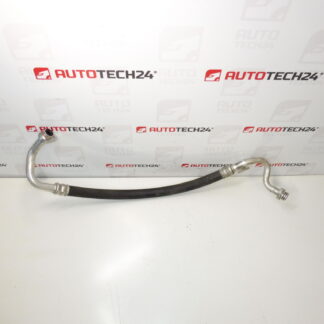
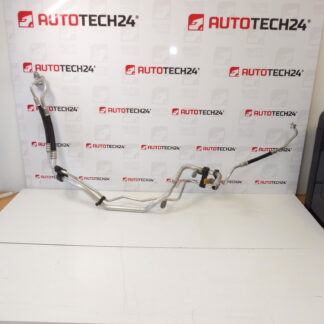
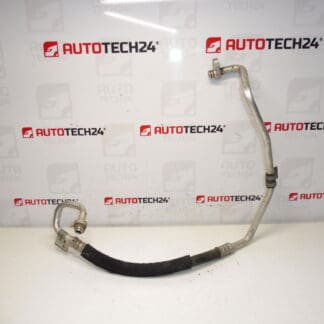
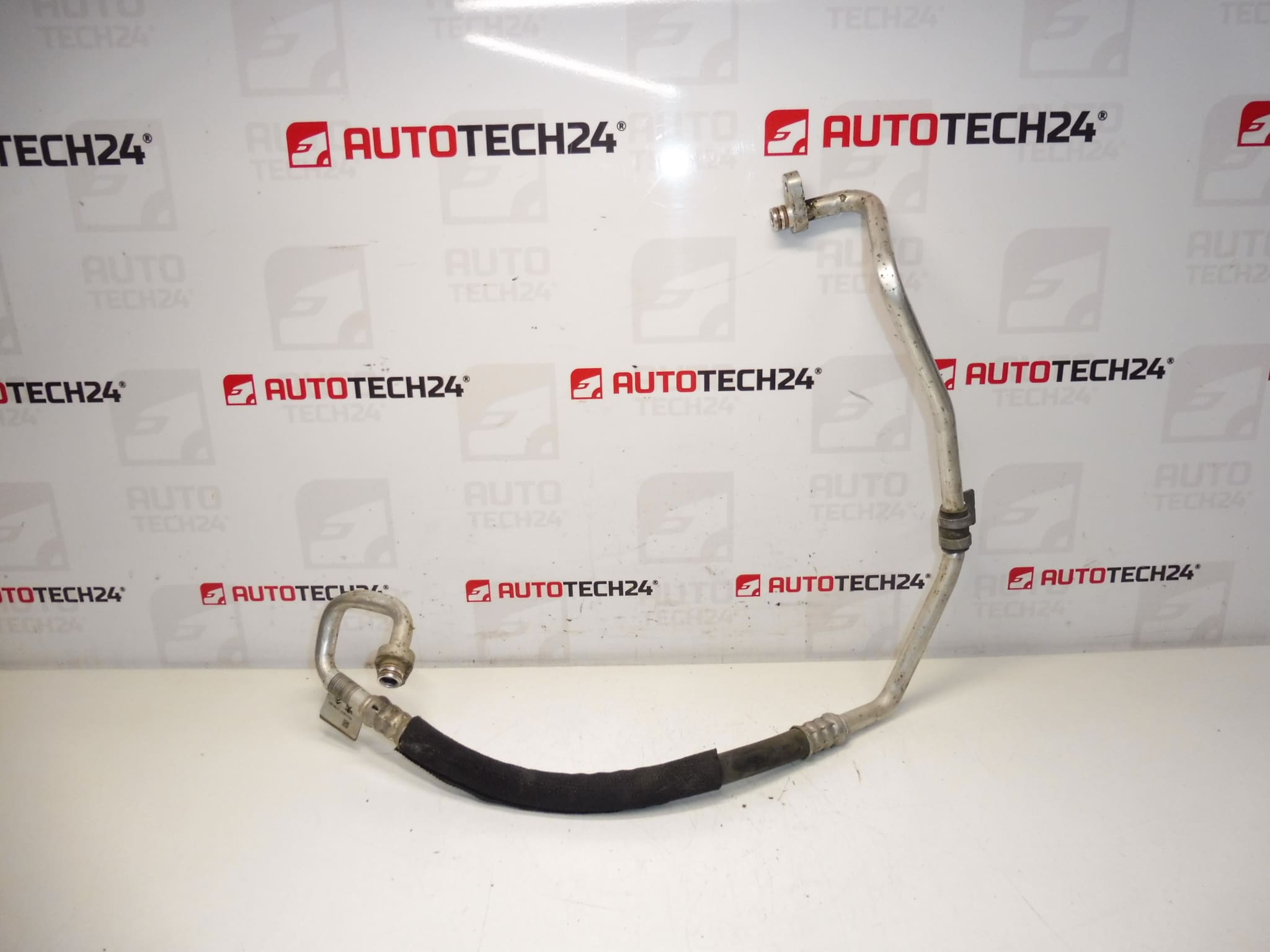
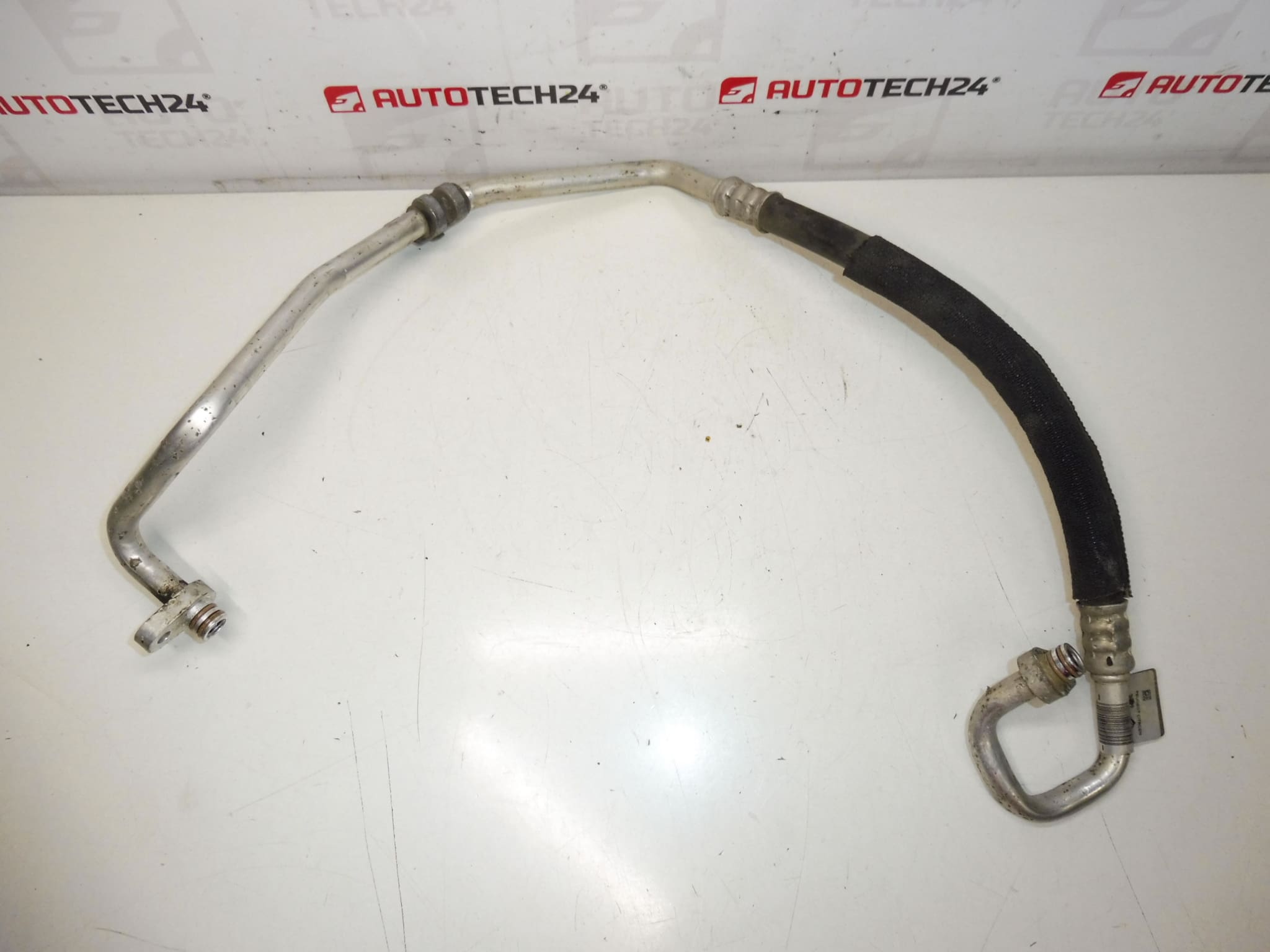
Air conditioning pipe for Citroën Berlingo (from 2018), Peugeot 308, Peugeot 3008, Peugeot Partner (from 2018) and Rifter.
This high-quality air conditioning pipe is designed as a direct replacement for the original refrigerant line used on a range of Citroën and Peugeot models. Built to meet typical OE fitment and routing, the part restores proper refrigerant flow and helps eliminate leaks that reduce cooling performance. Ideal for professional workshops and DIY mechanics who service HVAC systems on Stellantis platforms, the pipe is commonly searched by its product codes 9675635380 and 9840709880.
Key Benefits
- Direct fit for multiple Citroën and Peugeot models to simplify repairs and reduce downtime.
- Precision-formed construction for reliable sealing and long service life when installed correctly.
- Restores system integrity to eliminate refrigerant loss and improve cabin cooling efficiency.
- Compatible with standard AC service procedures (evacuation, vacuum, recharge).
Technical Information
- Manufacturer: Stellantis (Citroën / Peugeot)
- Model: Citroën Berlingo III (K9) from 2018, Citroën Rifter, Peugeot Partner III (K9) from 2018, Peugeot 308 (T9), Peugeot 3008 (I)
- Product Codes: 9675635380, 9840709880
- Other Numbers: –
Installation Recommendation
- Recover Refrigerant: Use certified recovery equipment to evacuate the refrigerant before disassembly (legal requirement in many jurisdictions).
- Inspect Adjacent Components: Check O-rings, seals, receiver/drier or accumulator, and service ports. Replace O-rings with new ones sized for the system and lubricate with the correct compressor oil (consult manufacturer specifications).
- Fitment: Remove clamps and disconnect quick-connect fittings carefully to avoid damaging mating surfaces. Ensure correct routing and secure mounting to prevent vibration contact with chassis or engine components.
- Leak Test And Evacuate: After installation perform a vacuum test to confirm system tightness, then recharge with the specified refrigerant type and charge mass per manufacturer specification.
- Final Checks: Pressure test, check for abnormal noises, and run the vehicle to verify proper cooling performance and system pressures.
- Recommended Service Level: Installation is best performed by a technician or workshop equipped with AC service tools (recovery/recharge station, vacuum pump, manifold gauges).
Why The Part Fails Most Often
- Corrosion And Environmental Damage: Exposure to road salt and moisture can corrode fittings or metal sections over time, leading to leaks.
- O-Ring Degradation: Aged or hardened O-rings are a common source of leaks at connection points; they should be replaced whenever the circuit is opened.
- Mechanical Impact Or Abrasion: Road debris, improper routing, or contact with moving parts can cause punctures or chafing.
- System Contamination Or Excessive Pressure: Debris, a failed dryer/accumulator, or compressor malfunction can increase internal stress and accelerate failure.
- Improper Installation: Incorrect seating of fittings, reused damaged seals, or insufficient torque on clamps can cause immediate or slow leaks.
Fitting this AC pipe restores system integrity and cooling performance when combined with proper service procedures: always replace seals, perform vacuum and recharge to manufacturer specifications, and verify operation under load.