Description
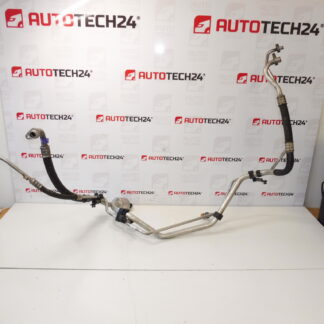
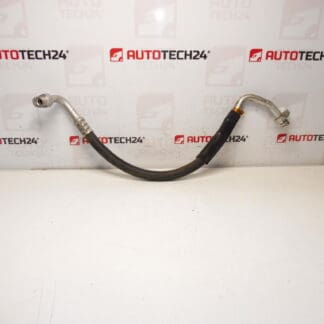
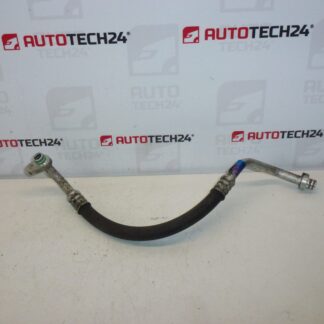
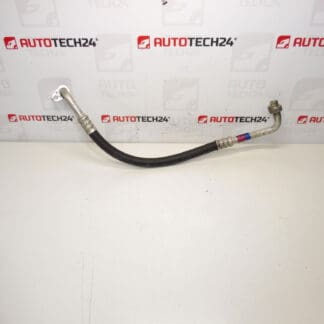
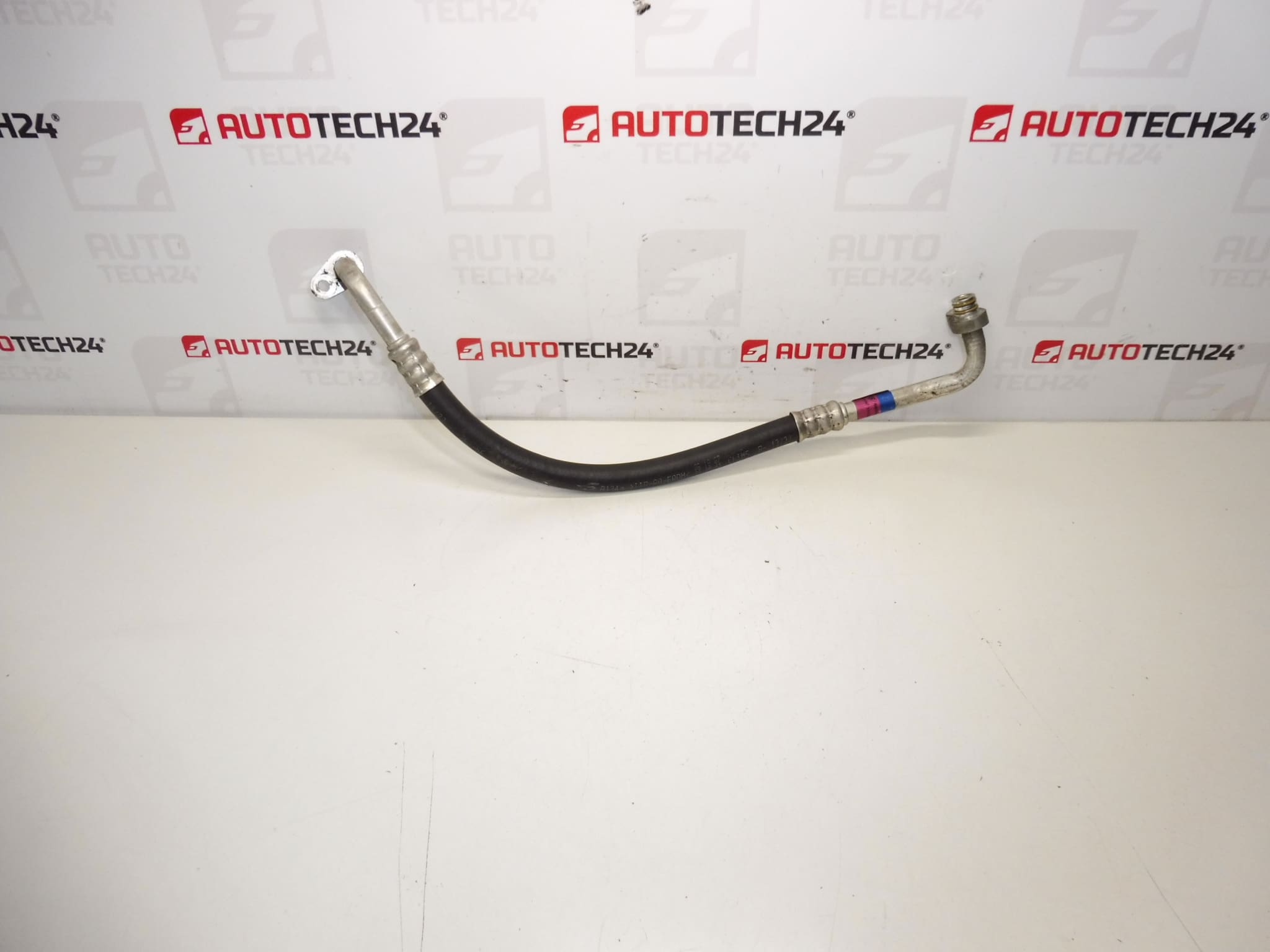
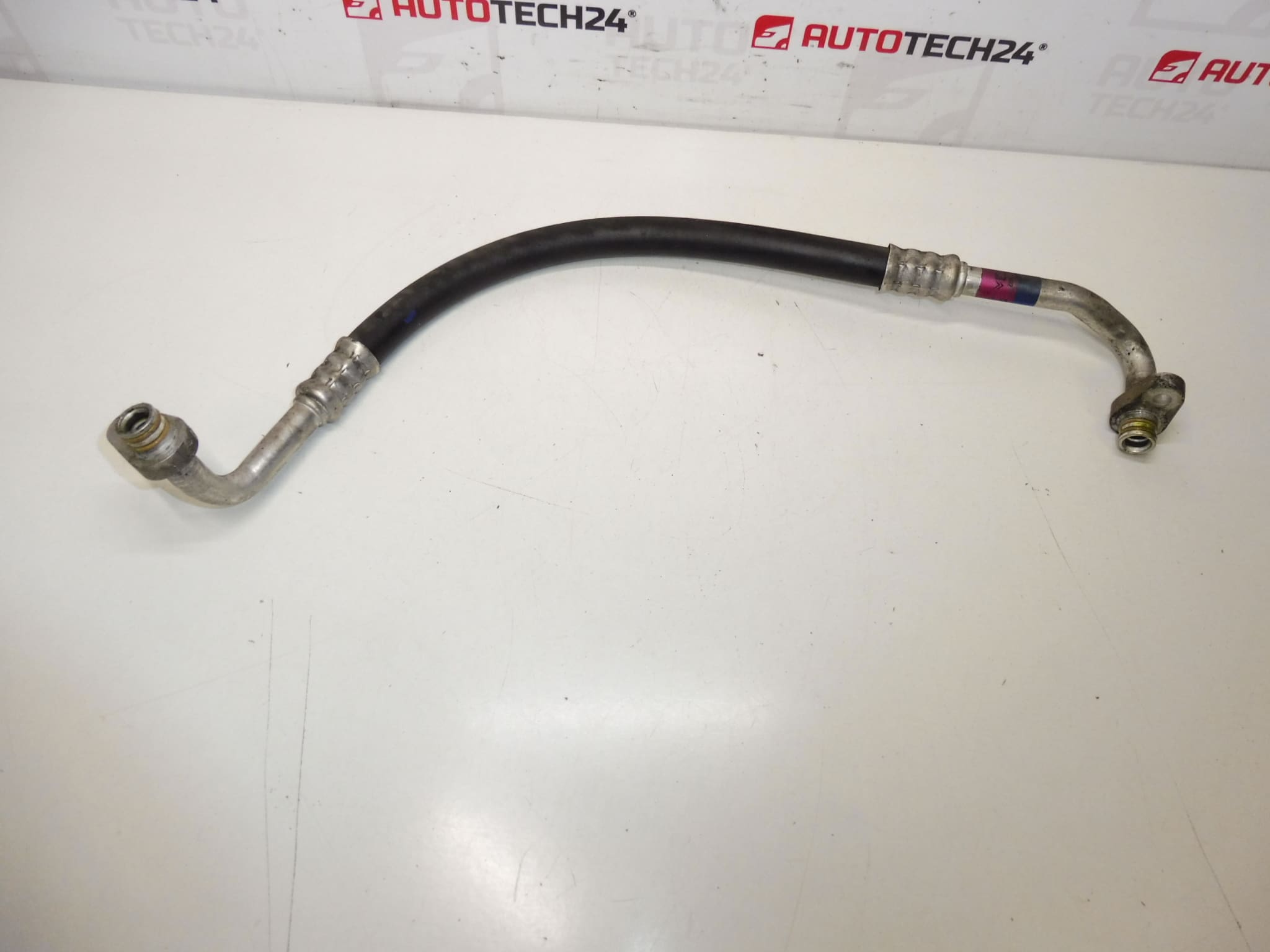
Air Conditioning Pipe Citroën C4 and Peugeot 307/308 2.0 HDi RHR
This air conditioning pipe is designed for diesel 2.0 HDi (RHR) engine variants of Citroën C4 and Peugeot 307/308. It connects components within the A/C refrigeration circuit and ensures reliable refrigerant flow between condenser, evaporator and receiver-drier/accumulator depending on the system layout. The part is an OEM-design replacement commonly searched by its product numbers, making it easy to find for professional workshops and DIY mechanics working on PSA vehicles.
Function And Application
The pipe carries refrigerant under pressure as part of the vehicle’s air conditioning system. Proper fitment and leak-tight connections are essential to maintain system pressure, cooling performance and to prevent moisture ingress. This line is intended for vehicles equipped with the 2.0 HDi RHR engine and corresponding HVAC configuration; compatibility is typically with R134a systems on these model years.
Technical Information
- Manufacturer: Stellantis (Citroën / Peugeot)
- Model: Citroën C4; Peugeot 307; Peugeot 308
- Product Codes: 9658227380; 647735
- Other Numbers: No additional reference numbers available
Installation Recommendations
- Before starting work, evacuate and recover refrigerant using certified recovery equipment in accordance with local regulations. Do not vent refrigerant to atmosphere.
- Replace all O-rings and sealing washers at each connection with new ones lubricated with the correct refrigerant oil.
- Perform a vacuum test on the system after assembly to check for leaks, then charge the system to manufacturer-specified refrigerant and oil quantities.
- Use torque values and tightening sequence recommended by the vehicle manufacturer for flared or threaded fittings to avoid distortion and leaks.
- Inspect adjacent components (compressor, condenser, receiver-drier, expansion valve) for damage or contamination; replace the receiver-drier/accumulator whenever the system is opened for extended repairs.
How To Replace (Overview For Mechanics)
- Recover refrigerant with certified equipment and ensure the system is fully depressurized.
- Remove any obstructing engine covers or components to access the A/C lines.
- Loosen and remove fittings securing the old pipe; retain a clean workspace to avoid contaminating the system.
- Install new pipe with fresh O-rings, lubricated with correct PAG oil, and tighten fittings to specified torque.
- Evacuate the system, perform a vacuum hold test, then recharge with the correct refrigerant and oil amount. Check for leaks under pressure and verify cooling performance.
Most Common Failure Causes
- Corrosion And Mechanical Damage: Road salt, debris impact or chafing against nearby components can cause leaks.
- Ageing Seals: O-rings and joints degrade over time, leading to slow leaks at connections.
- Vibration And Fatigue: Repeated vibration may weaken fittings or cause cracks in softer sections of the line.
- Contamination Or Blockage: Debris from a failing compressor or a degraded dryer can increase pressure and stress lines or fittings.
Why Choose This Part
Professionals and competent DIYers benefit from ordering the correct pipe by part number (9658227380 / 647735) to ensure proper fit and reliable system performance. Using the right line reduces troubleshooting time, prevents inefficient cooling and avoids additional component damage caused by refrigerant loss or contamination.
Notes For Workshop Use
Always follow PSA service procedures for A/C service and safety. If the system shows signs of major contamination, replace the receiver-drier/accumulator and consider flushing or replacing other circuit components to protect the new pipe and compressor.