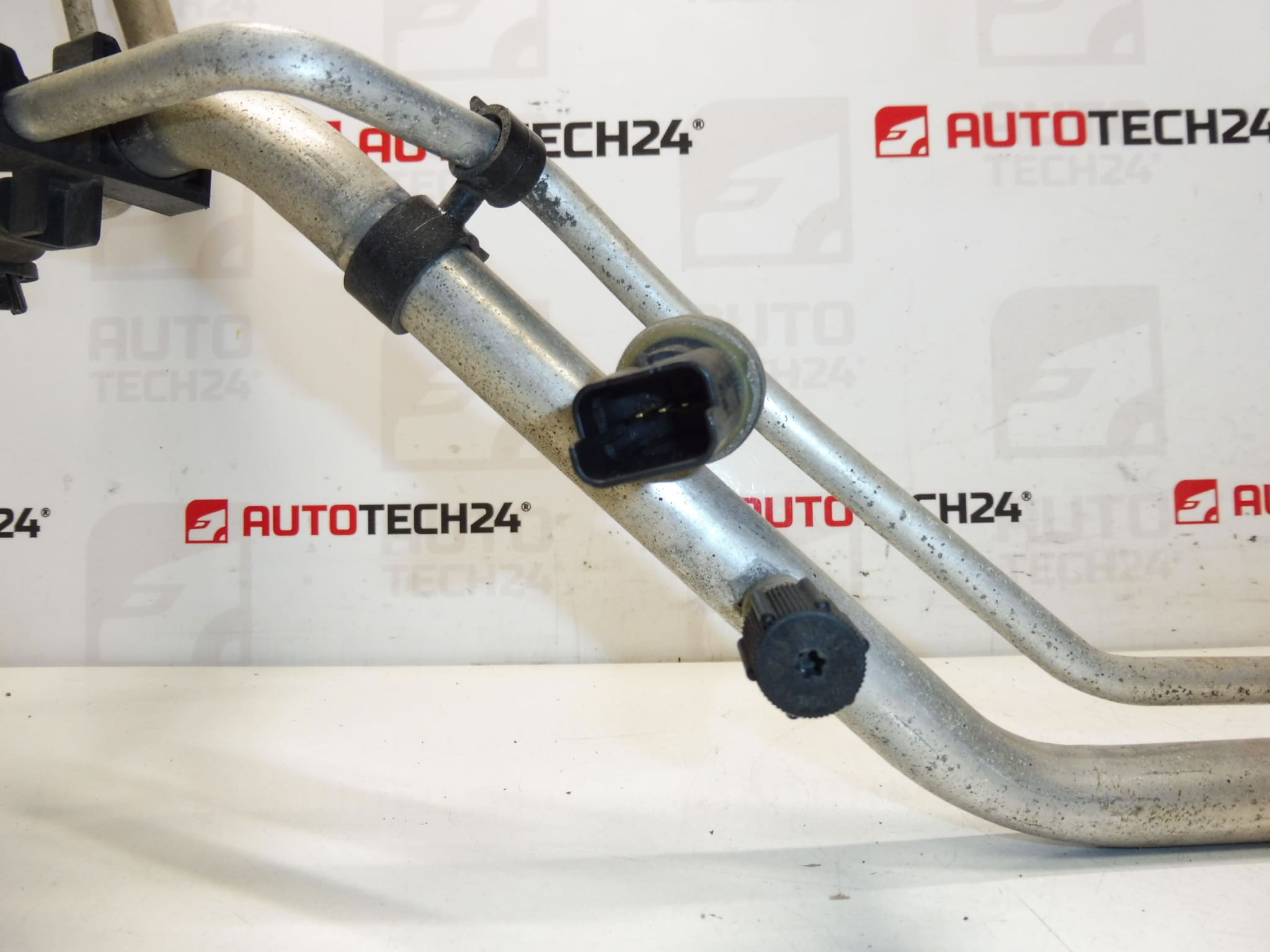
Description
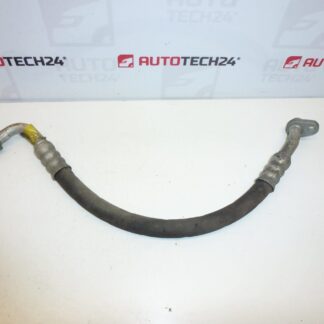
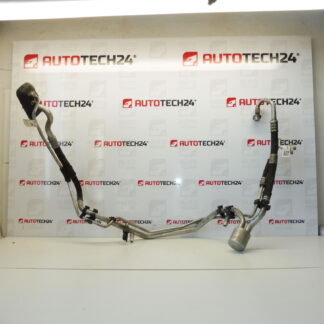
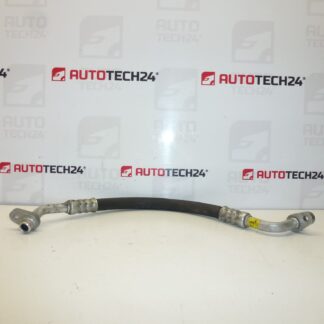
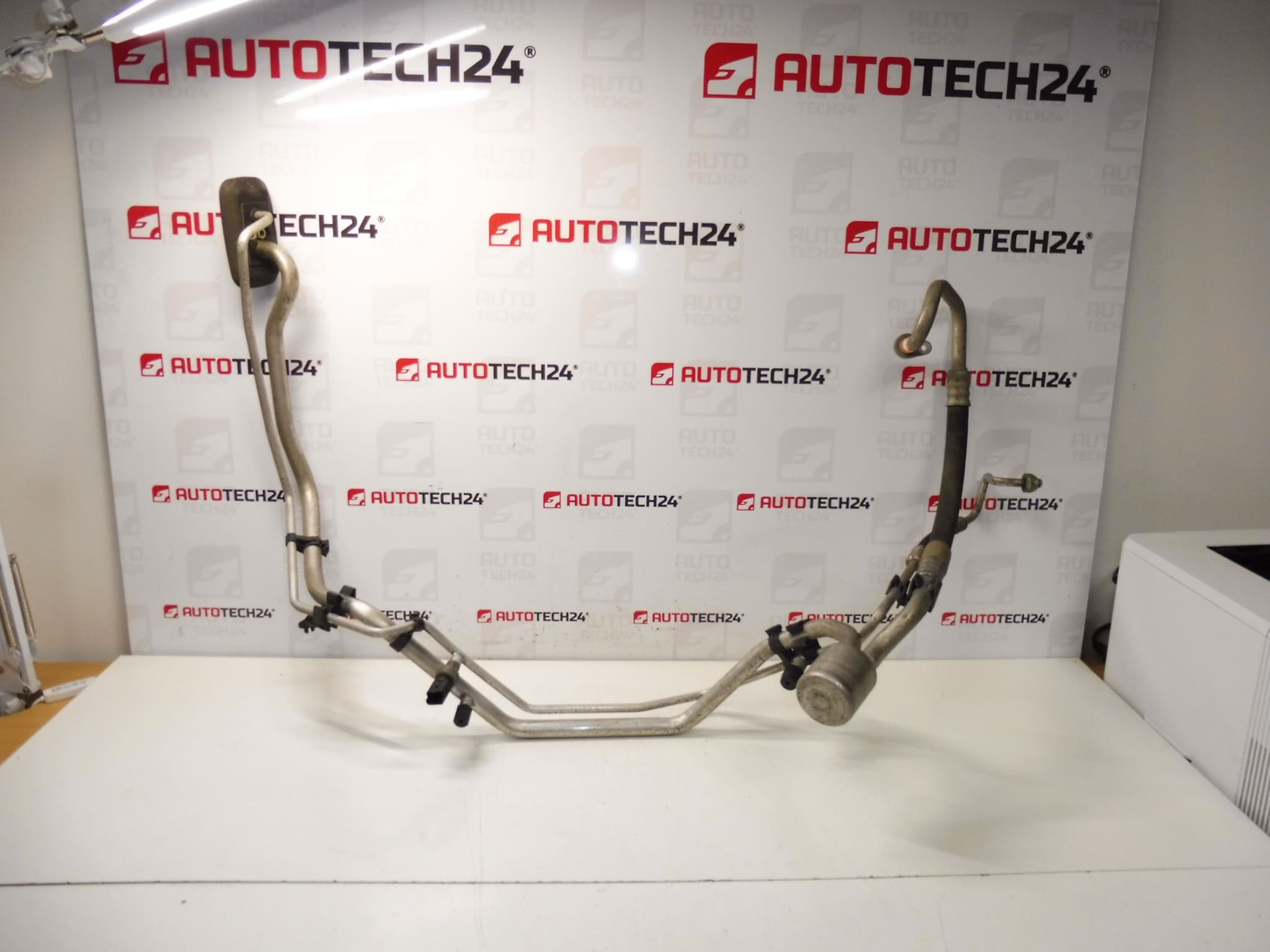
Air conditioning pipe for Citroën C4 and Peugeot 307 with 2.0i engine
This air conditioning pipe is designed for maintenance and repair of climate systems on Citroën C4 and Peugeot 307 vehicles equipped with the 2.0i engine. The part is commonly referenced by OEM numbers 9657451180 and 6460QK, making it easy to find in catalogs and search engines. Built to restore correct refrigerant flow and pressure integrity in the AC circuit, this pipe is an essential service item for workshops and experienced DIYers aiming to fix leaks, restore cooling performance and prevent further compressor damage.
Technical Information
- Manufacturer: Stellantis (Citroën / Peugeot)
- Model: Citroën C4, Peugeot 307 (2.0i)
- Product Codes: 9657451180, 6460QK
- Additional Numbers: NFP
Function And Benefits
The AC pipe carries refrigerant between components of the air conditioning system (for example between the evaporator, condenser and compressor). A correct, leak-free pipe ensures stable system pressure, efficient heat exchange and consistent cabin cooling. Replacing a worn or leaking pipe eliminates refrigerant loss, prevents moisture ingress and reduces the risk of compressor failure due to refrigerant/oil starvation.
Typical Faults And Lifespan
Common symptoms indicating a faulty AC pipe include visible oil or refrigerant residue, reduced cooling capacity, and hissing noises from the AC system. Typical causes are corrosion at metal joints, chafing against adjacent components, vibration-induced fatigue at bends or fittings, and seal/O-ring deterioration at connection points. Under normal conditions and depending on environment and maintenance, AC pipes can last many years; however, exposure to road salt, mechanical damage or neglected servicing can shorten service life considerably.
Installation Recommendations
- Recover Refrigerant Safely: The AC system must have refrigerant properly evacuated and recovered before disconnecting any lines. This procedure should be performed using approved recovery equipment; if you are not certified to handle refrigerants, have a qualified technician perform this step.
- Replace Seals And O-Rings: Always fit new O-rings/seals at each connection and lubricate them with manufacturer-recommended PAG oil to ensure proper sealing and to avoid leaks.
- Check And Clean Connections: Inspect mating surfaces (compressor, condenser, evaporator ports) for corrosion or damage and clean prior to assembly to ensure a metal-to-metal seal where applicable.
- Tightening And Torque: Tighten fittings to the vehicle manufacturer’s specified torque values to prevent leaks or thread damage. Avoid over-tightening plastic fittings.
- System Evacuation And Recharge: After installation, vacuum the system to remove moisture and verify system tightness. Recharge the system with the correct refrigerant type and specified charge mass, then verify pressure readings and cooling performance.
Why The Part Most Often Fails
The most frequent reasons for failure are external corrosion (especially in regions with road salt), mechanical abrasion from nearby components, and deterioration of connection seals over time. Vibration and thermal cycling cause stress at bends and fittings, which can lead to hairline cracks or loosening of connections. Contaminants or moisture in the system accelerate internal corrosion and O-ring degradation, making leak development more likely.
Searching by part number (9657451180 / 6460QK) is a quick way to ensure correct fitment. For professional repairs, follow safe refrigerant handling practices and replace seals and oil as part of the repair to restore long-term reliability.