Description
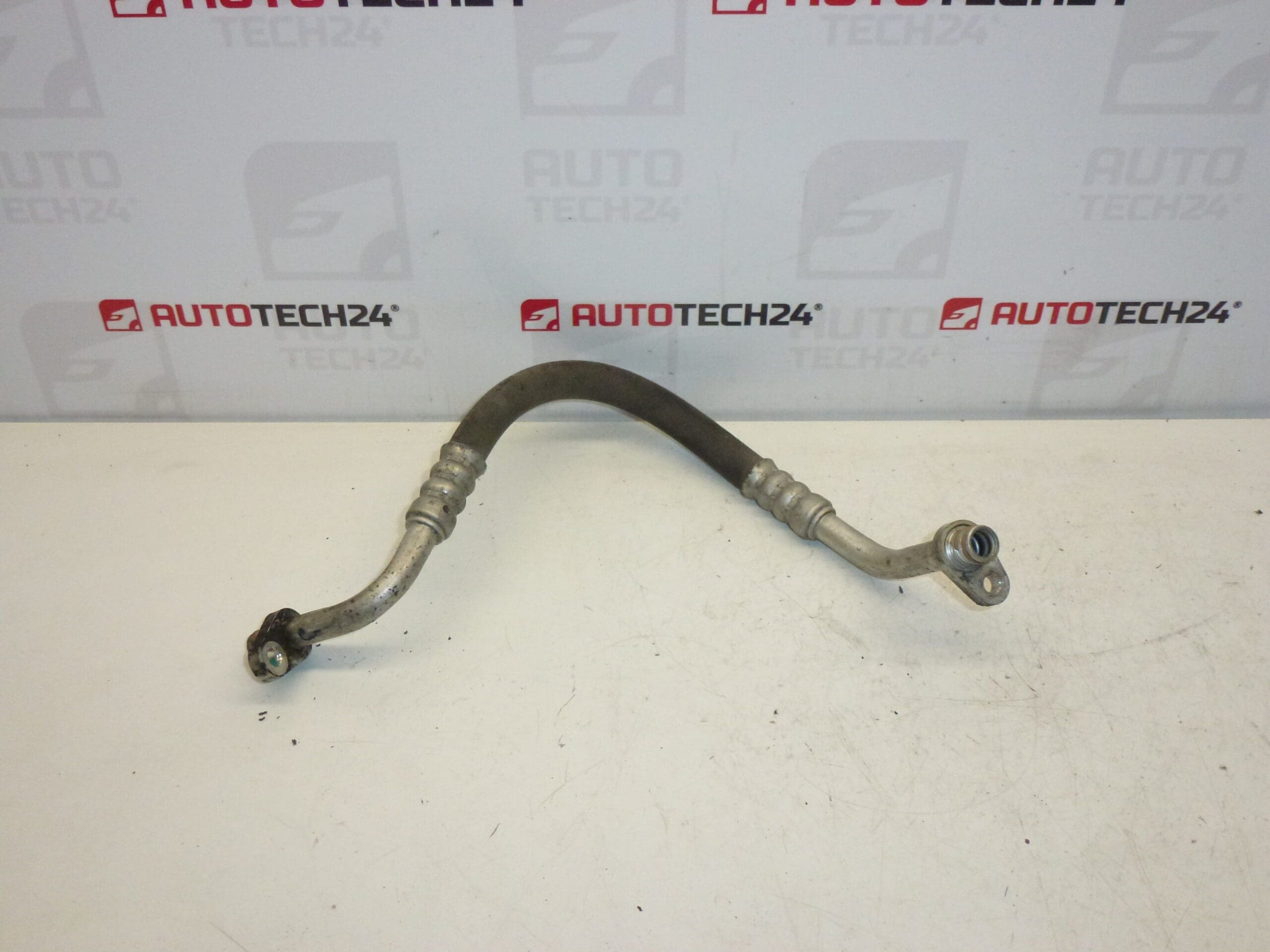
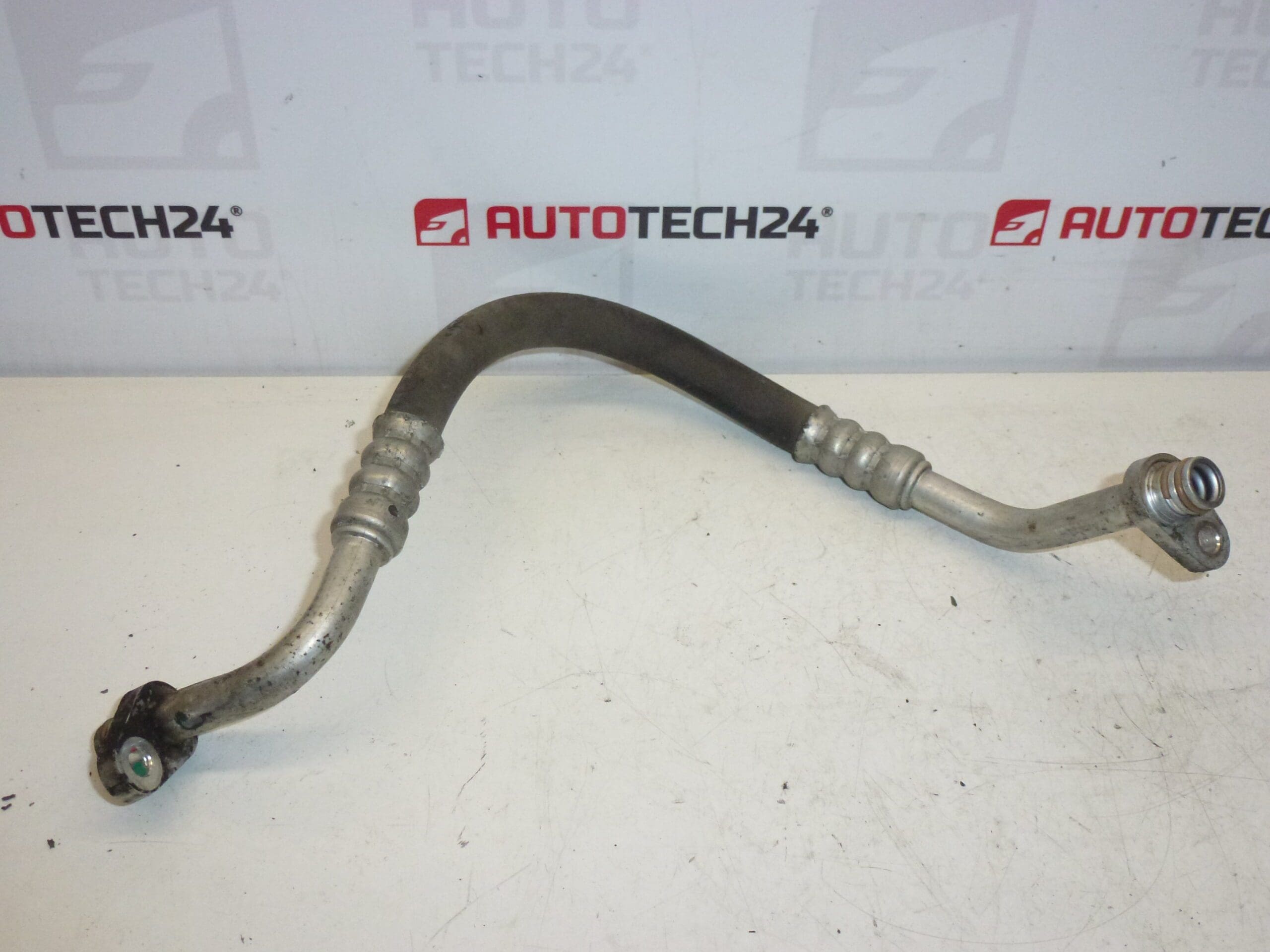
Air Conditioning Pipe For Citroën C4, C5 II And C5 X7 And Peugeot 307, 407
This air conditioning pipe is designed for use on Citroën and Peugeot models and is commonly referenced by multiple OEM and aftermarket codes. The part carries refrigerant between system components and is frequently searched by product number (for example 9657302480 or 647779), which helps technicians and DIYers find the correct replacement quickly.
Technical Information
- Manufacturer: Stellantis (Citroën, Peugeot)
- Model: Citroën C4; Citroën C5 II; Citroën C5 X7; Peugeot 307; Peugeot 407
- Product Codes: 9653106980, 9653107880, 9657302480, 9659577880, 9677949880, 9677930480
- Additional Numbers: 6460JA, 6460JC, 6460PW, 647736, 647738, 647775, 647777, 647779, 647786, 6477AA, 6477N2, 6477N3, 64777
Function
The pipe routes refrigerant between key air conditioning components (compressor, condenser, evaporator and receiver/drier/accumulator depending on system layout). It is manufactured to withstand pressure, temperature changes and engine-bay conditions while maintaining a sealed circuit to prevent refrigerant and oil loss.
Installation Recommendation
- Recover Refrigerant Safely: Evacuate and recover refrigerant using appropriate certified equipment or have the system serviced by a qualified workshop. Handling refrigerant without proper equipment is not recommended.
- Replace Seals: Always replace O-Rings and sealing washers at each connection point with the correct size and refrigerant-oil compatible type. Lightly lubricate new O-Rings with the correct PAG or POE oil before installation.
- Inspect Mounting Points: Replace damaged clamps, clips and grommets. Ensure the pipe is routed free of chafing points and secured to original supports to avoid vibration wear.
- Clean System: Prevent contamination by capping open connections and checking for debris in the system. If the compressor has failed, consider drying/filtering the system and replacing the receiver/drier or accumulator.
- Evacuate And Recharge: After fitting, perform a proper vacuum test to check for leaks, then recharge the system to the manufacturer’s specified refrigerant charge and oil type.
- Test For Leaks: Use electronic leak detection or dye as appropriate and verify system pressures and cooling performance after service.
Most Common Causes Of Failure
- Corrosion From Road Salt And Moisture: Metal pipes and joints exposed to road conditions may corrode over time, leading to pinhole leaks.
- Mechanical Damage: Impact from road debris or improper handling during other repairs can dent or kink the pipe, compromising sealing surfaces.
- O-Ring And Seal Deterioration: Aging seals harden and shrink, causing refrigerant and oil leaks at connection points.
- Vibration And Fatigue: Continuous engine and road vibration can loosen clamps or fatigue material at bends and joints.
- Contamination After Compressor Failure: Metal particles and moisture introduced by a failing compressor can accelerate system failure and block small passages.
For technicians and experienced DIYers, identifying the correct reference number before ordering reduces downtime. The part is commonly searched by OEM numbers listed above. When replacing this pipe, pay particular attention to seal replacement and system evacuation/recharge to ensure long-term reliability.