Description
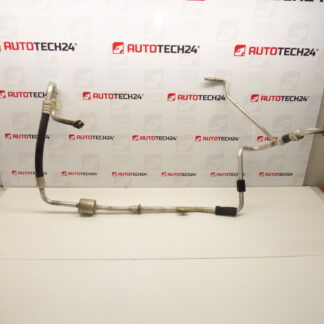
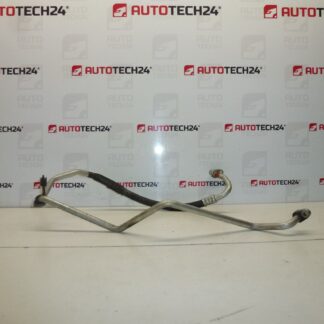
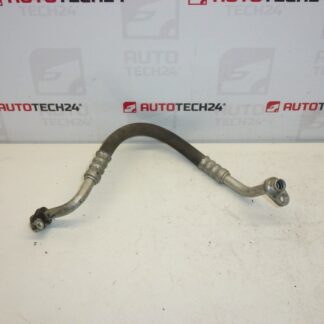
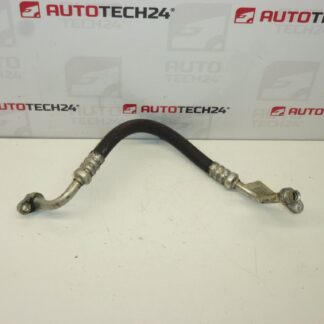
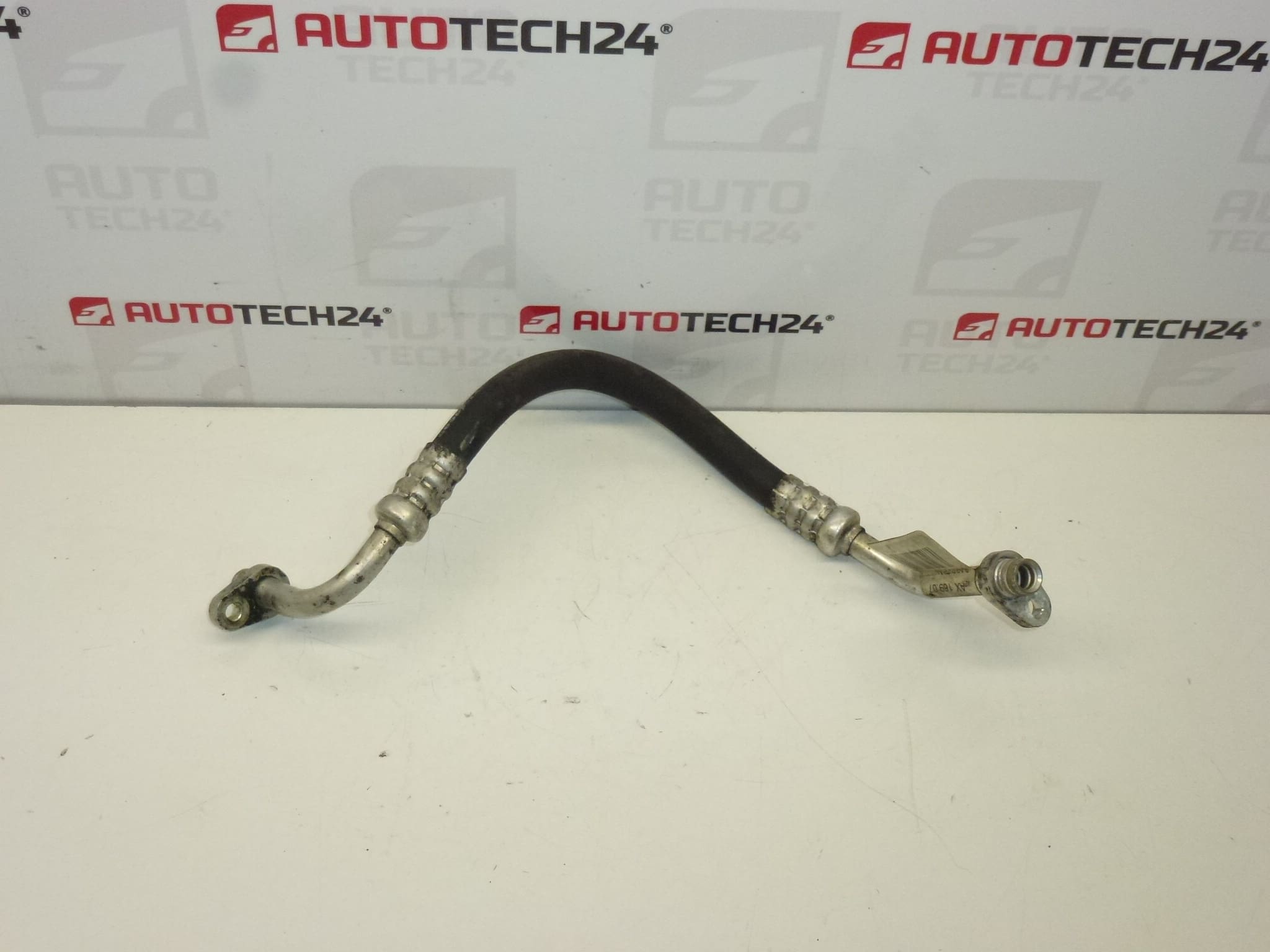
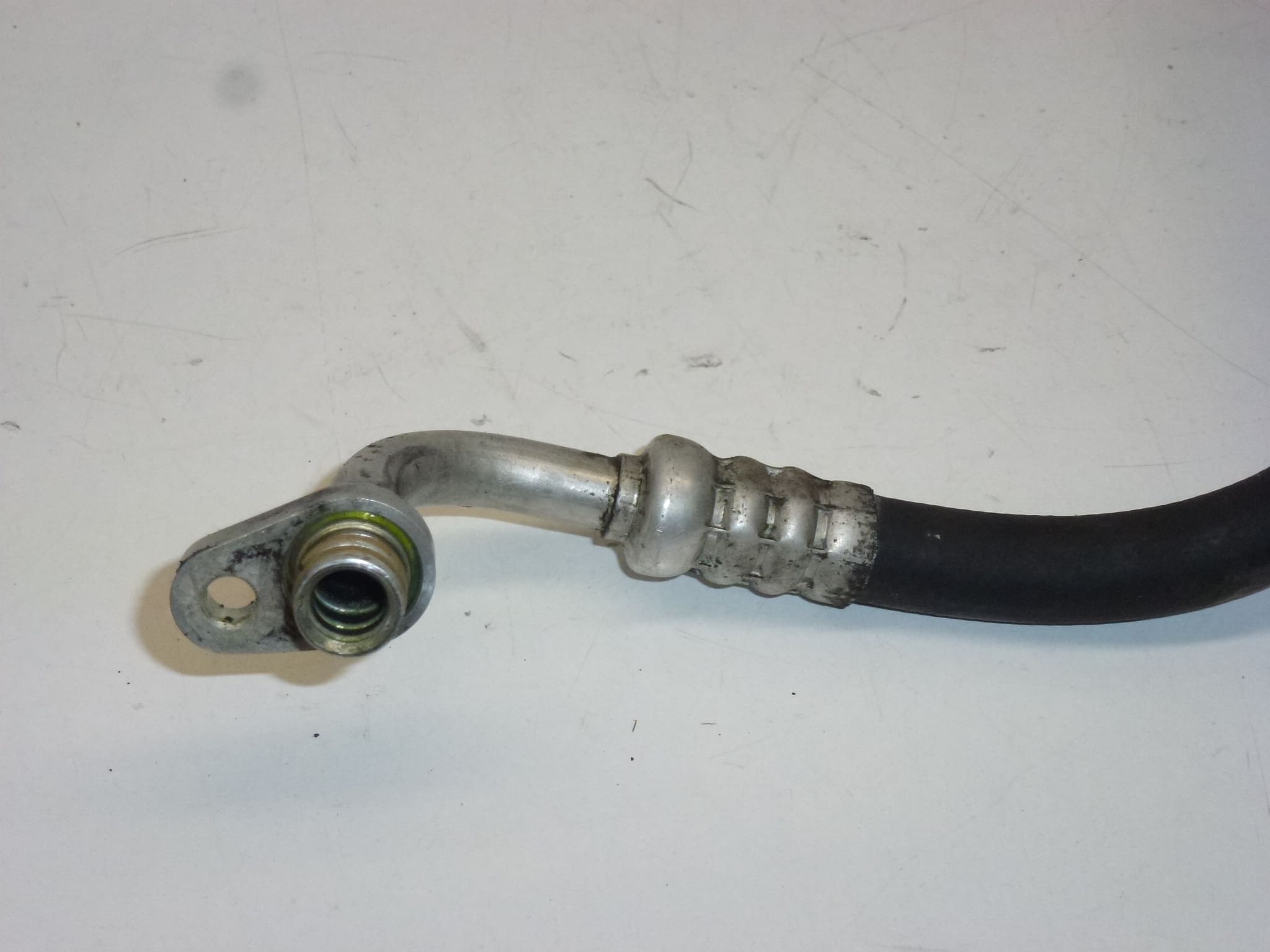
Air Conditioning Pipe for Citroën C4, C4 II, C5 II and Peugeot 307, 407
This air conditioning pipe is designed for Citroën and Peugeot models and fits a range of mid‑2000s vehicles. Ideal for professional workshops and experienced DIY mechanics, the pipe restores proper refrigerant flow in the A/C circuit after damage or wear. Commonly searched by part numbers, this item covers several OEM references (see Technical Information) and is suitable when repairing leaks, replacing damaged lines after an impact, or servicing the A/C system following compressor or condenser work.
Technical Information
- Manufacturer: Stellantis (Citroën / Peugeot)
- Model: Citroën C4, Citroën C4 II, Citroën C5 II, Peugeot 307, Peugeot 407
- Product Codes: 6460JA, 6460JC, 6460PW, 647736, 647738
- Additional Numbers: Multiple OEM cross‑references for corresponding model years and trim levels (use listed product codes for exact matching)
Function And Application
The pipe is part of the vehicle’s air conditioning refrigerant circuit. It provides a sealed conduit between A/C components (such as the evaporator, condenser, accumulator/receiver or compressor) and ensures correct refrigerant flow and pressure. A properly functioning line is essential for efficient cooling, system pressure integrity and prevention of contamination or moisture ingress.
How To Replace (Overview)
Replacement should be performed by a trained technician or a competent DIY mechanic with appropriate tools. Typical steps:
- Recover Refrigerant Safely Using Approved Recovery Equipment.
- Remove Any Trim Or Underbody Protection To Access The Affected Pipe.
- Loosen Fittings And Disconnect The Pipe—note connection types (flare, O‑ring, or quick connector).
- Replace O‑Rings/Seals With Correct Size Parts Lubricated With Appropriate Refrigerant Oil.
- Install New Pipe Without Kinking Or Excessive Bending; Secure Clips And Brackets.
- Pressure Test / Vacuum The System To Remove Moisture, Then Recharge With The Correct Type And Amount Of Refrigerant And Oil.
- Check For Leaks And Confirm System Performance.
Installation Recommendations
- Always Recover Refrigerant With Professional Recovery Equipment Before Disassembly.
- Use New O‑Rings And Apply Correct Refrigerant Oil To Ensure A Leak‑Free Seal.
- Perform A Vacuum Test To Remove Moisture And Verify System Tightness Before Charging.
- Inspect Neighboring Components (Condenser, Compressor, Receiver/Drier) For Damage Or Contamination; Replace Dryer/Accumulator When The System Is Opened.
- Do Not Reuse Damaged Clamps Or Fasteners; Secure Line To Factory Mounting Points To Prevent Rubbing And Vibration.
- Wear Appropriate Personal Protective Equipment And Follow Local Regulations For Refrigerant Handling.
Why This Part Most Commonly Fails
- Corrosion Caused By Road Salt And Moisture Leading To Perforation And Leaks.
- Mechanical Damage From Impacts Or Contact With Road Debris.
- Wear From Vibration Or Improper Securing Causing Chafing Against Bodywork Or Other Components.
- Degraded O‑Rings/Seals At Connection Points Resulting In Slow Leaks.
- Contamination In The System (Metal Shavings, Moisture) Causing Blockages Or Accelerated Deterioration.
Signs It Needs Replacement
Loss Of Cooling Efficiency, Audible Hissing, Visible Oil Stains Or Refrigerant Residue Around Joints, And Low System Pressures Indicate A Possible Leak In The Pipe. Lines Are Often Replaced When The System Has Been Opened For Compressor, Condenser, Or Accident Repair.
Service Life
Service life Depends On Vehicle Use And Environment. In Corrosive Climates Or After Collision Damage The Pipe May Fail Sooner; Under Normal Conditions The Line Often Lasts Many Years But Should Be Inspected During Any A/C Service.
Compatibility And Ordering
Search Using The Product Codes Shown In The Technical Information To Find The Correct Fit For Your Specific Model Year And Equipment Level. These Codes Are Frequently Used By Mechanics And Sourcing Departments To Identify The Correct Replacement Pipe.
Additional Notes
This part is intended for professionals and experienced DIYers familiar with automotive A/C procedures. If you are unsure about any step, use qualified A/C service to ensure safe refrigerant handling and correct system charging.