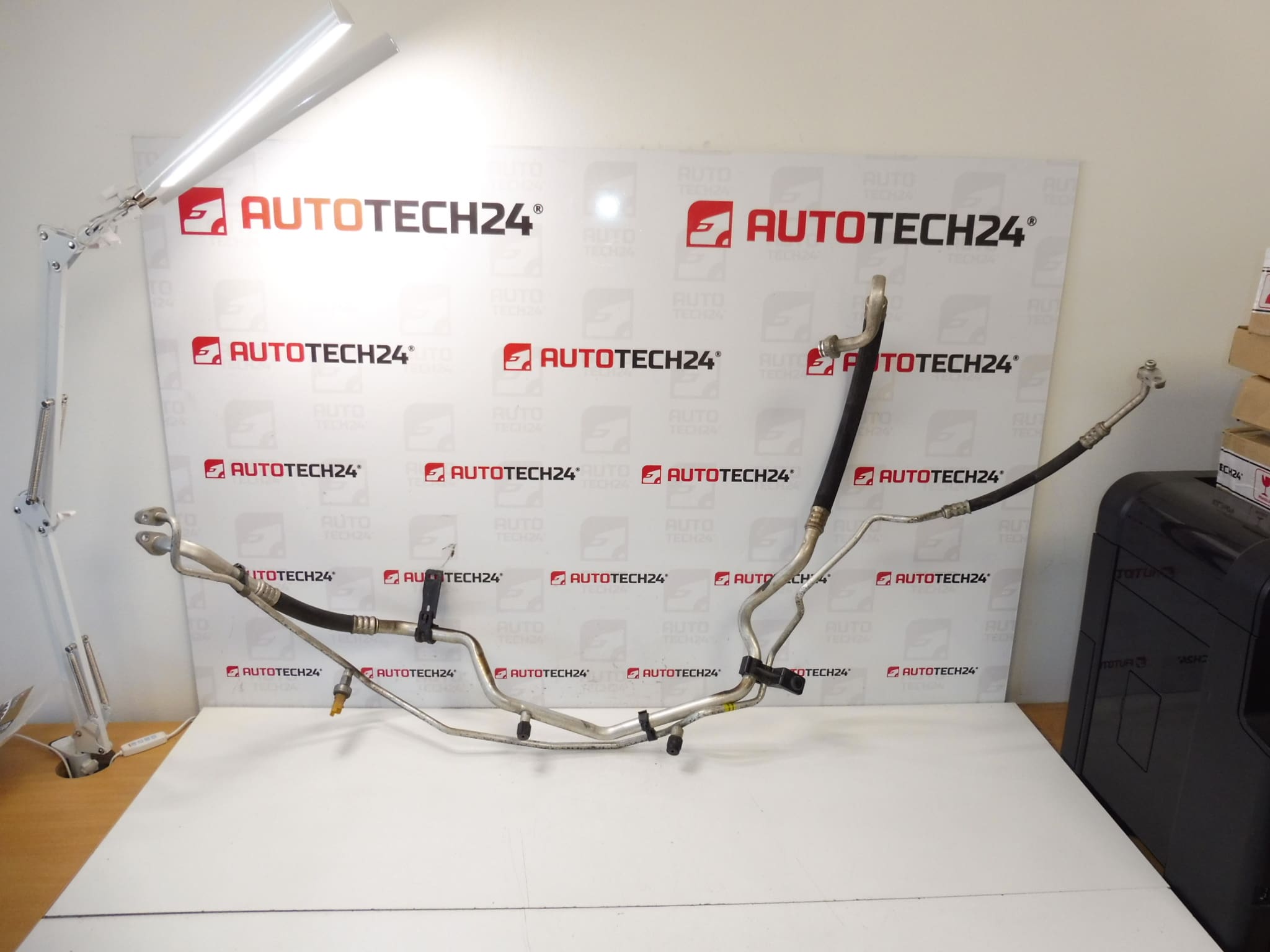

Description
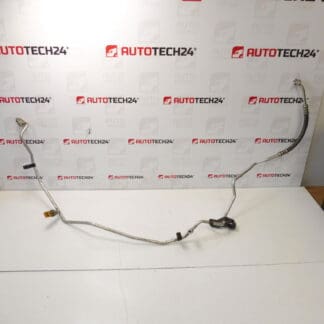
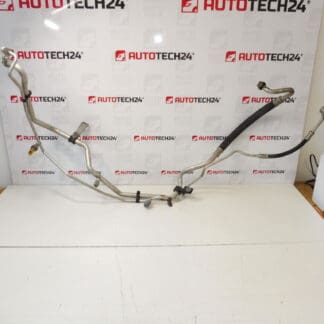
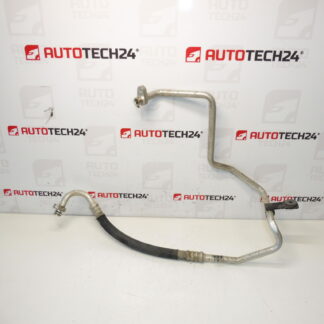
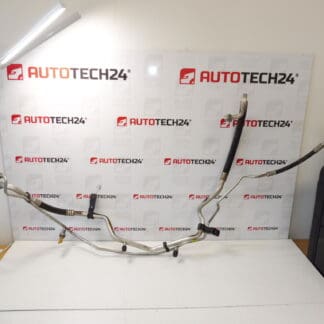
Air Conditioning Pipe for CITROËN C-ELYSEE and PEUGEOT 301 1.6 16V
This direct-fit air conditioning pipe is intended for Citroën C‑Elysée and Peugeot 301 vehicles equipped with the 1.6 16V engine. It carries refrigerant between system components and restores proper flow and sealing where original pipes have become leaking or damaged. Frequently searched by part numbers 9674395180, 9811551180 and 9819409480, this AC pipe is suitable for professional workshops and experienced DIY mechanics performing HVAC system repairs.
Key Features
- Direct-fit replacement for specified Citroën and Peugeot models.
- OEM-related part numbering for easy identification (9674395180, 9811551180, 9819409480).
- Durable construction designed to withstand system pressures and temperature cycles.
- Helps eliminate leaks and restore correct refrigerant flow and system performance.
Technical Information
- Manufacturer: Stellantis / Citroën / Peugeot
- Model: Citroën C‑Elysée; Peugeot 301 (1.6 16V)
- Product Codes: 9674395180
- Additional Numbers: 9811551180, 9819409480
Fitment And Application
Designed for Citroën C‑Elysée and Peugeot 301 models with the 1.6 16V engine. Use the listed product codes when searching or ordering to ensure correct fitment. Fits into the vehicle’s AC circuit at the designated connections between compressor, condenser and evaporator or receiver/drier depending on the system layout.
How Replacement Is Performed
Replacement of an AC pipe typically involves the following steps (intended for trained technicians or experienced DIYers with proper equipment):
- Recover Refrigerant: Use an approved recovery/recycling machine to evacuate the refrigerant—do not vent to atmosphere.
- Access And Remove: Locate the faulty pipe, remove any protective covers, and unbolt the fittings. Keep track of clamp and bracket positions.
- Inspect System: Check mating surfaces, fittings and O‑rings for wear or damage. Inspect the compressor and condenser for contamination or debris that could have caused the leak.
- Replace Seals: Install new O‑rings lubed with the correct type of PAG oil or service lubricant specified for the system.
- Install New Pipe: Fit the new pipe, secure clamps and brackets, and torque fittings to manufacturer specifications.
- Evacuate And Recharge: Evacuate the system to remove moisture and then recharge with the correct refrigerant charge and oil quantity per manufacturer data.
- Leak Check And Test: Pressure test and run the system to verify proper operation and cooling performance.
Installation Recommendations
- Always Recover Refrigerant Using Certified Equipment And Personnel. Handling refrigerants requires approved recovery equipment and adherence to local regulations.
- Replace O‑Rings And Lubricate Properly. O‑rings deteriorate quickly once a seal is disturbed—always fit new ones with the correct lubricant.
- Avoid Contamination. Protect the open system from dirt and moisture; flush if contamination from a failed compressor is suspected.
- Follow Torque Specifications. Use manufacturer torque values for fittings to prevent leaks or damage.
- Use Appropriate Tools. Use AC service tools for evacuation, pressure testing and charging to ensure a reliable repair.
Why This Part Typically Fails
Common causes of AC pipe failure include:
- Corrosion From Road Salt And Moisture—External corrosion can weaken lines and cause pinhole leaks.
- Mechanical Damage—Impacts from road debris or improper handling during previous repairs.
- Vibration And Fatigue—Mounting points and bends are stress points that can develop cracks over time.
- Deteriorated Seals—Aging O‑rings and hardening seals at flange or quick‑connect joints lead to leaks.
- System Contamination—Compressor failure or debris in the system can cause internal abrasion and premature pipe failure.
Typical Service Life
Service life varies by vehicle use and environment. In normal conditions an AC pipe can last many years, but exposure to corrosive environments, mechanical damage or system contamination can shorten life significantly. Inspect lines during routine HVAC service and address leaks promptly to avoid secondary damage.
Who Should Fit This Part
Intended for professional mechanics and skilled DIYers familiar with automotive HVAC systems. Refrigerant recovery and system recharge should be performed by a certified technician or with appropriate equipment to comply with safety and environmental regulations.