Description
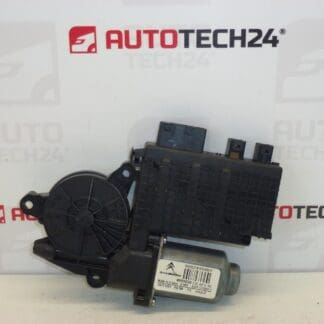
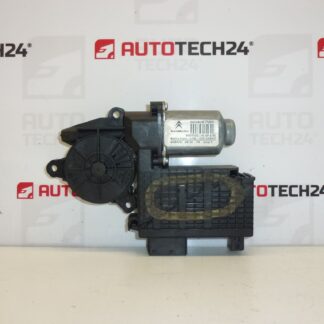
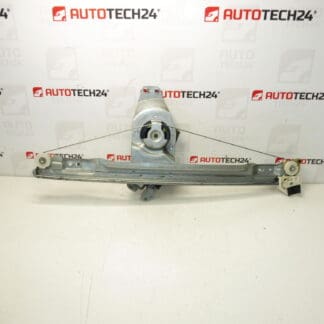
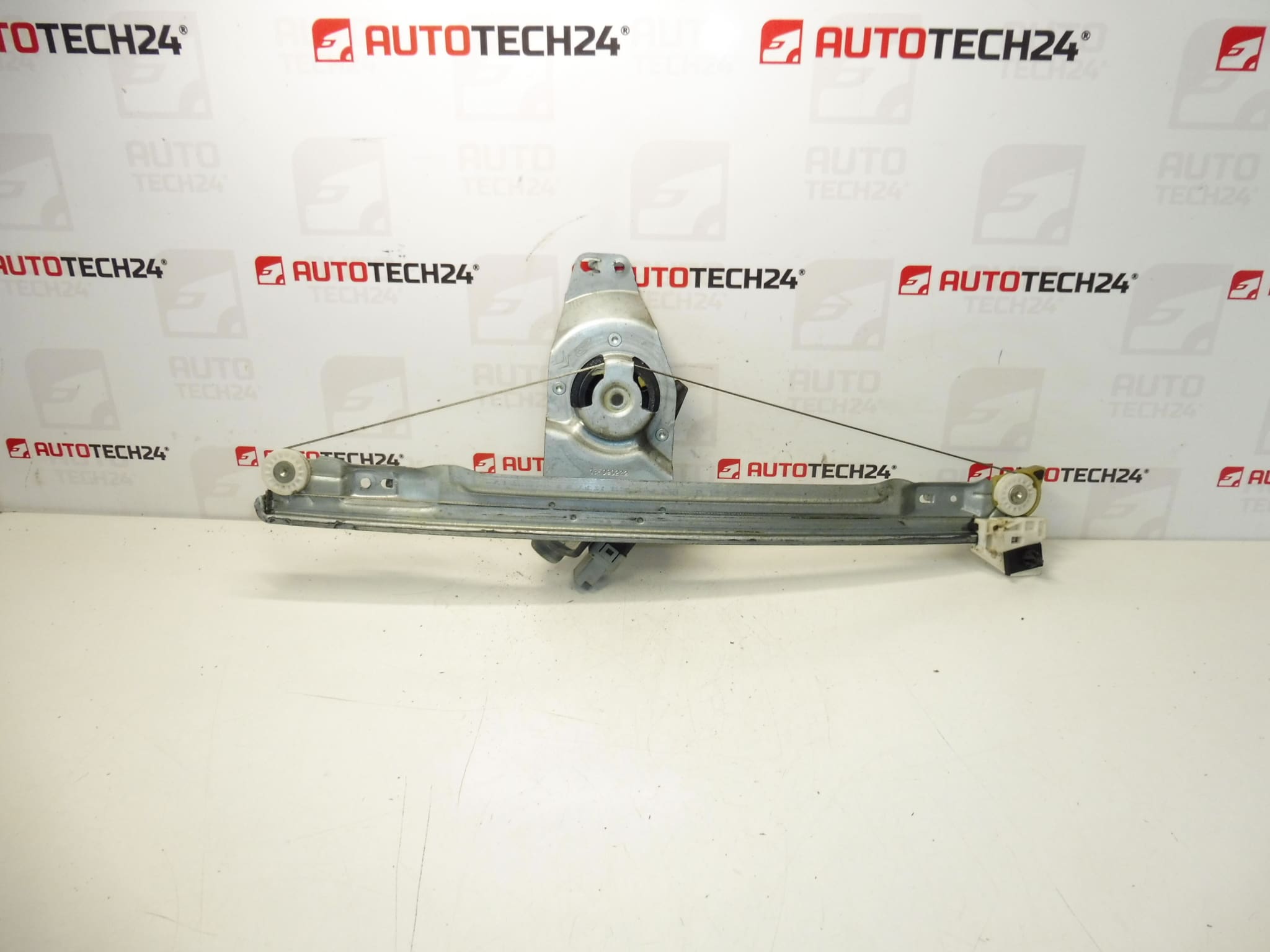
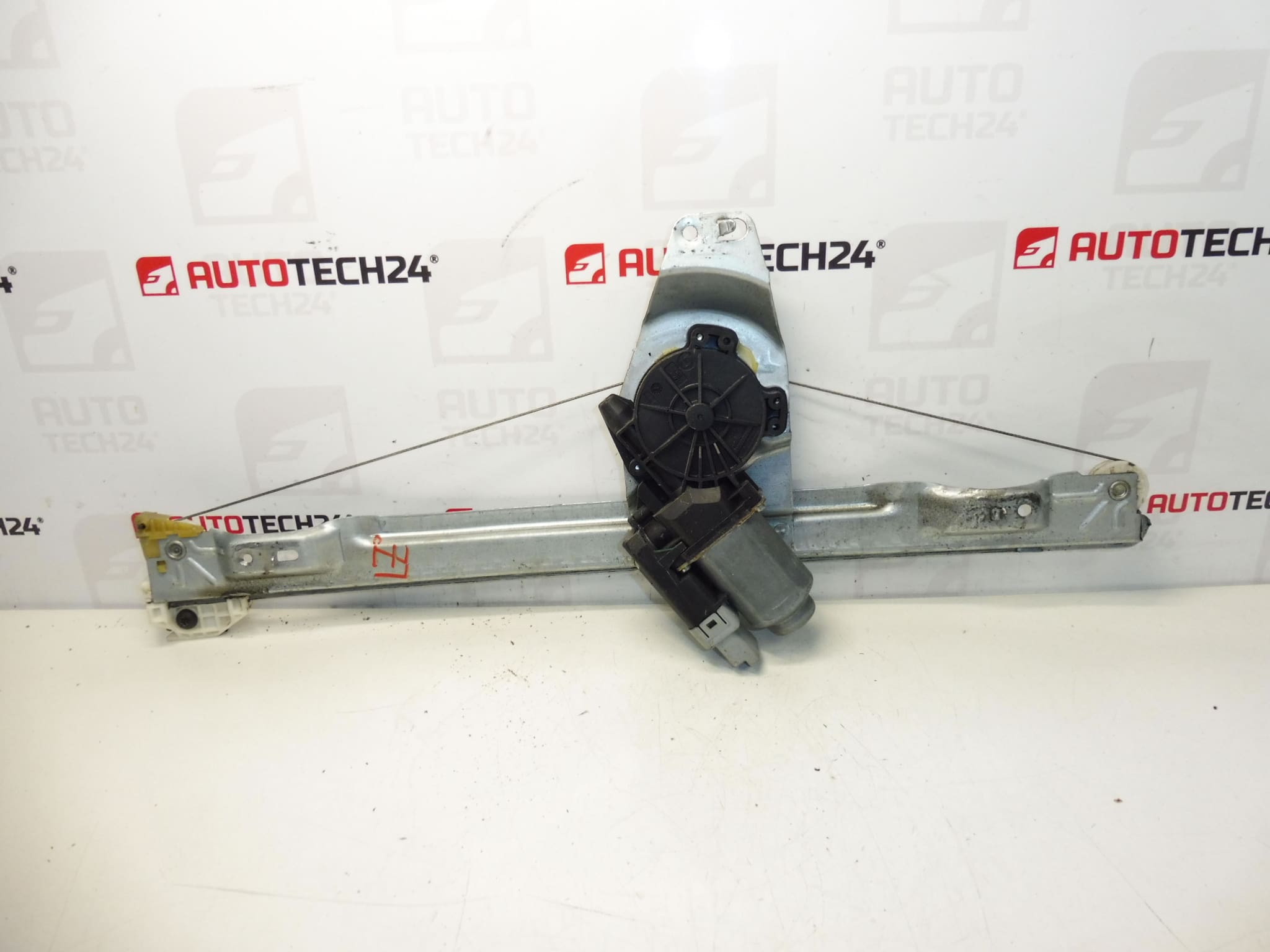
Electric window regulator mechanism for the left rear window for Citroën C4 Picasso and Grand with electric motor. Driver’s side.
This high-quality replacement window regulator is designed for Citroën C4 Picasso models and their Grand variant. Intended for professional workshops and DIY mechanics, the unit includes the electric motor and mounting points for a direct-fit installation on the left rear (behind the driver) door. The part is commonly searched by its product code and is suitable for vehicles that require a reliable mechanism to lift and lower the rear window smoothly.
Technical Information
- Manufacturer: Stellantis (Citroën/Peugeot)
- Model: Citroën C4 Picasso, Citroën C4 Grand Picasso
- Product Codes: 9223C1
- Other Numbers: Not Specified
Fitment And Application
Fits left rear door (driver’s side) of Citroën C4 Picasso and C4 Grand Picasso models that use an electric window regulator with integrated motor. Check the part number 9223C1 when searching to improve the chance of exact match.
Function And Typical Symptoms
The window regulator mechanism transfers the motor’s rotation into vertical movement of the glass, allowing the window to open and close. Common symptoms of a failing regulator include slow or jerky window movement, grinding or clicking noises, the window dropping down or failing to stay in position, or complete loss of movement from the switch.
Common Causes Of Failure
Failures typically result from wear of mechanical components (cables, sliders, pulleys, or gears), motor wear (brushes or commutator deterioration), corrosion from moisture ingress, or damage caused by improper use or impact. Accumulation of dirt and lack of lubrication in the window channel can accelerate wear and lead to binding or motor overload.
Replacement And Installation
Replacement is straightforward for a trained mechanic or experienced DIYer with the right tools. Basic steps:
- Disconnect the battery before starting work to prevent short circuits and accidental motor operation.
- Remove door trim and vapor barrier carefully to access the regulator and motor.
- Disconnect electrical connector to the motor and unbolt the regulator assembly from the door frame and window.
- Support the glass while detaching it from the regulator—use suction cups or assistants as needed.
- Fit the replacement regulator and motor, attach the glass, connect the electrical plug, and test window operation before reassembling the door trim.
Installation Recommendations
Always disconnect the battery prior to removal and installation. Inspect door wiring and connectors for corrosion and clean lubricate the window channels with a suitable silicone-based lubricant. Test the new regulator and motor operation before final reassembly, and check glass alignment to avoid excessive load on the motor. Replace worn clips or fasteners to ensure secure mounting.
Why This Part Most Commonly Fails
Most failures are due to mechanical wear of plastic pulleys and sliders, frayed cables, or worn motor brushes from frequent use. Water and dirt entering the door cavity accelerate corrosion and mechanical wear. Sudden shocks (e.g., door impacts) or forcing a frozen window can also damage components.
Notes For Buyers
This listing refers to the specific unit indicated by product code 9223C1. Use the product code when searching to help find the correct replacement for Citroën C4 Picasso and Grand models. Suitable for mechanics and competent DIYers who can follow safe installation practices.