Description
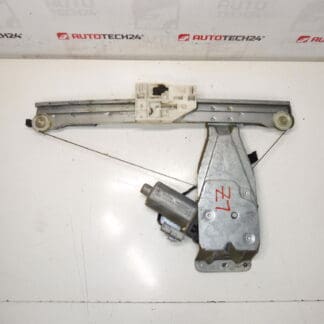
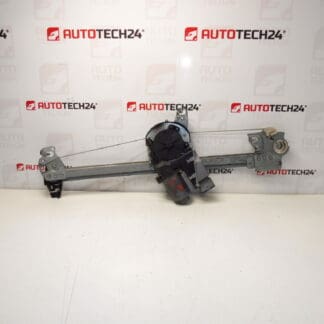
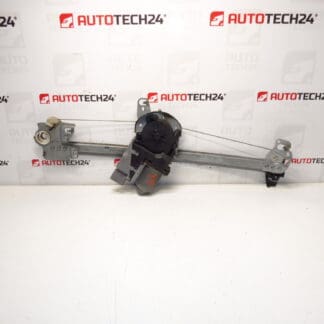
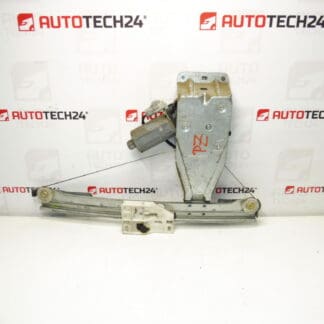
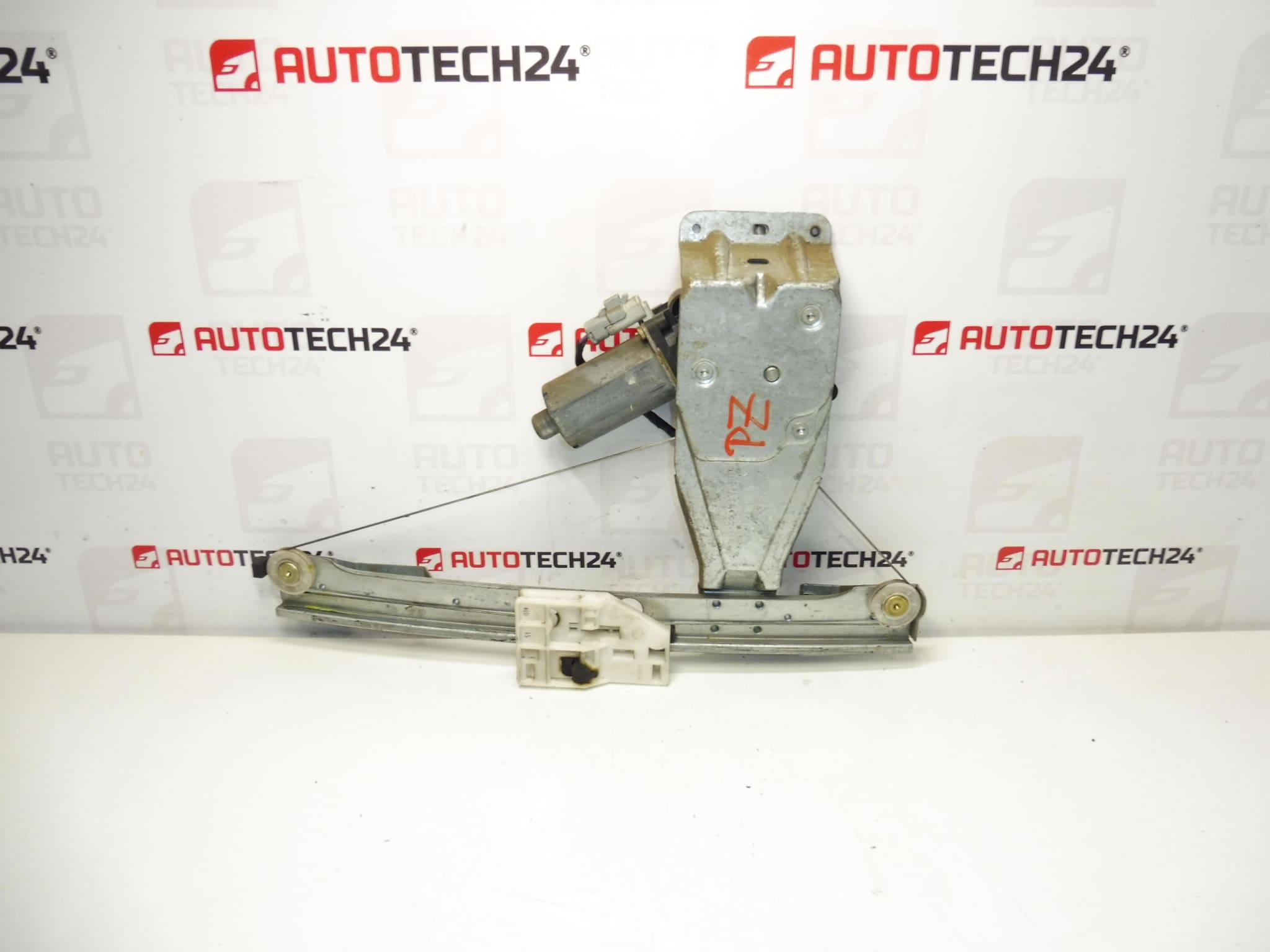
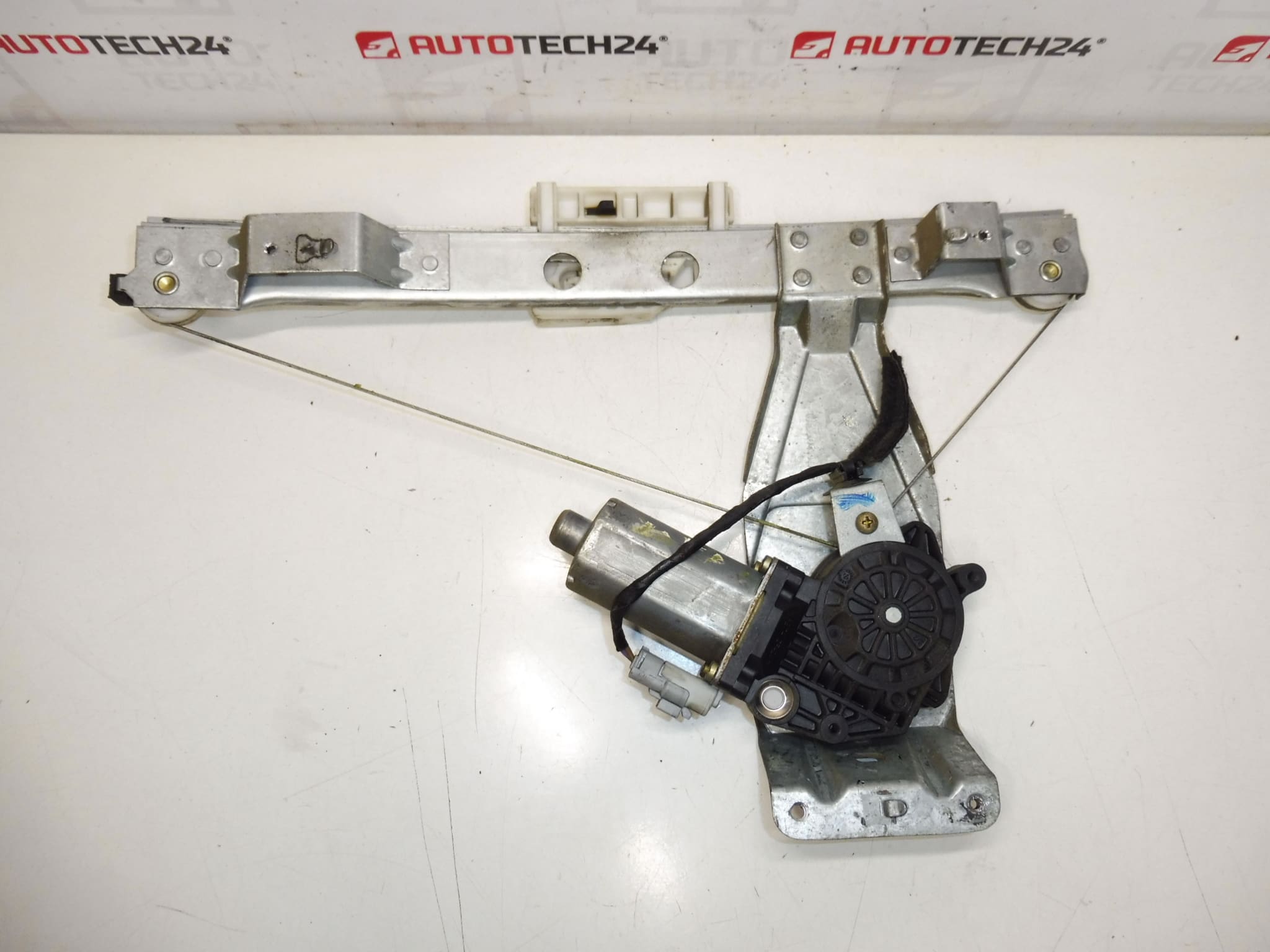
Right rear window regulator mechanism for Citroën C3 first model – Passenger-side rear door
This genuine-style window regulator mechanism is designed for the right rear (passenger-side rear) door of the first-generation Citroën C3. Ideal for professional workshops and DIY enthusiasts, the unit restores reliable power window operation and is often searched by its product code, improving findability for mechanics looking to match parts quickly.
Key Benefits
Replaces worn or broken regulator assemblies to stop grinding noises, slow or stuck windows, and intermittent motor operation. Compatible with standard electric window systems fitted to early Citroën C3 models. The part number reference in the listing (922487) helps technicians and DIYers locate the correct replacement fast.
Technical Information
- Manufacturer: Stellantis (Citroën)
- Model: Citroën C3 First Generation (Passenger-Side Rear Door)
- Product Codes: 922487
- Other Numbers: NFP
Fitment And Compatibility
Fits first-generation Citroën C3 models (commonly produced in the early 2000s). Specified for the right rear door — the door behind the front passenger (passenger-side rear in left-hand drive vehicles). Always check the part code (922487) when matching with vehicle records or parts lists to ensure correct fit.
Installation Recommendations
Recommended for experienced technicians or competent DIYers familiar with door trim removal and electrical disconnection. Typical replacement steps:
- Disconnect the battery to avoid short circuits.
- Remove the interior door trim and any vapor barrier carefully to access the regulator.
- Disconnect the window motor electrical connector and lower the glass to a position where it can be detached from the regulator. Support the glass securely while working.
- Unbolt and remove the old regulator/motor assembly, taking note of bolt locations and cable routing.
- Install the new regulator in reverse order, secure fasteners, reconnect the motor, and test window operation before reassembling the door trim.
- Lubricate guide channels and check glass alignment for smooth, rattle-free travel.
Why This Part Fails
Common failure modes include worn gears, frayed or snapped cables (in cable-driven regulators), motor burnout from age or heavy use, and corrosion/seizing of sliding elements. Symptoms typically develop gradually (sluggish movement, strange noises) but can also result in sudden failure where the window will not move or drops out of correct alignment.
Notes For Buyers
Because many technicians search using product numbers, the code 922487 is included to assist quick matching. The unit is intended as a direct-fit replacement for the specified door and model generation; fit should be confirmed by comparing the part code and physical mounting points prior to installation.