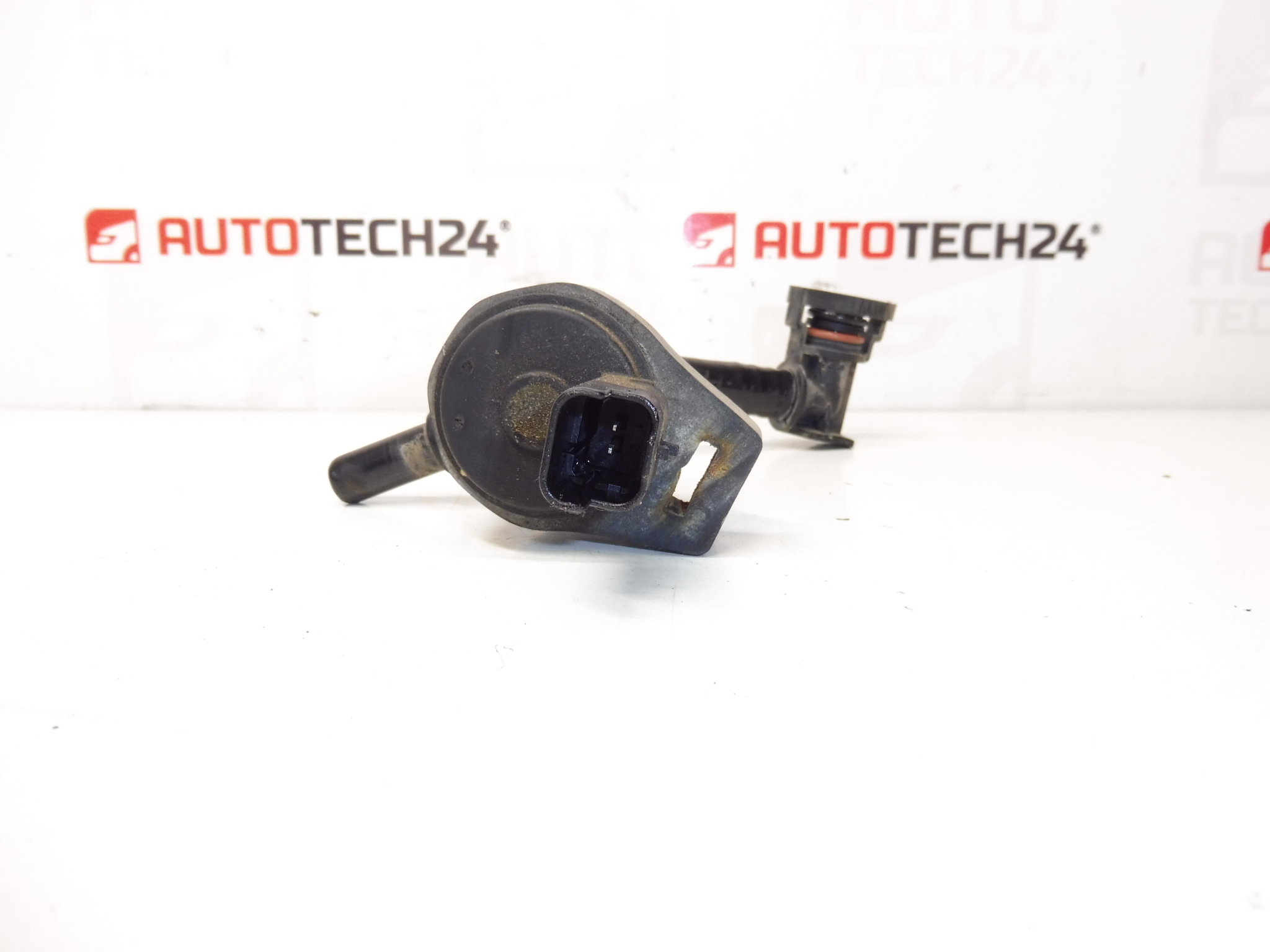
Description
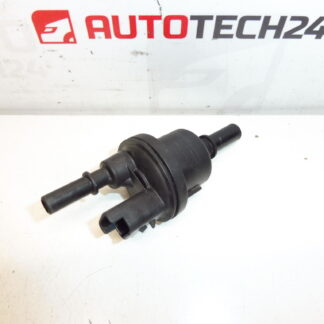
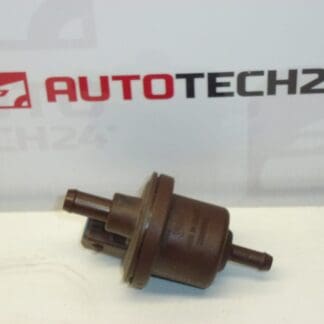
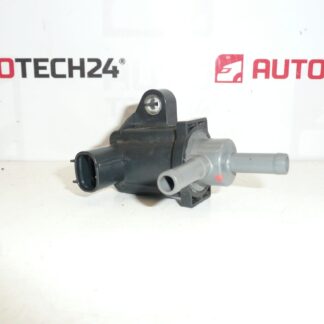
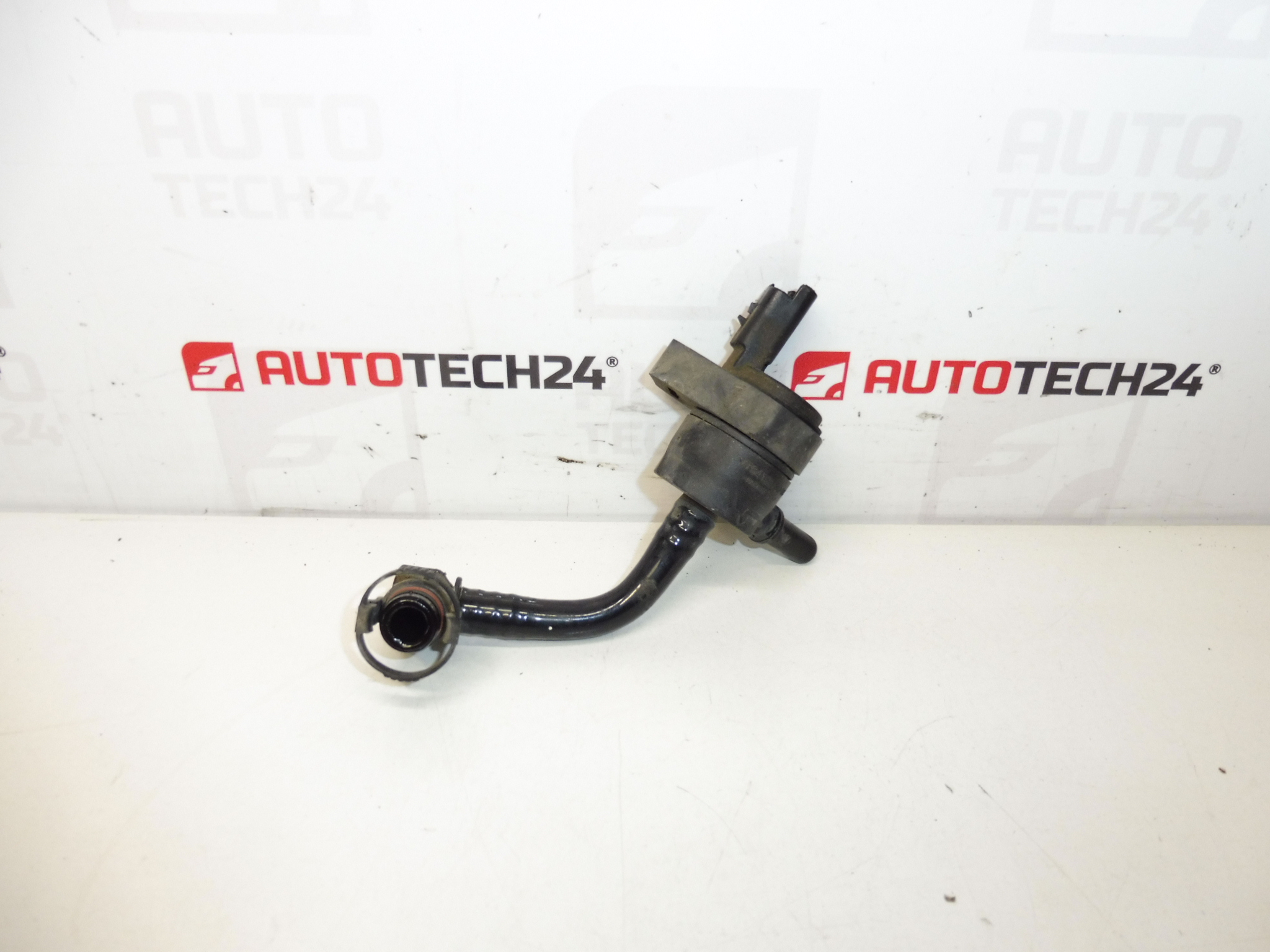
Electromagnetic VALEO valve, petrol vapor absorber for active charcoal.
This VALEO electromagnetic purge valve is designed for the EVAP system on petrol engines (1.4 VTi / 1.6 VTi) used on many Citroën and Peugeot models. The valve controls the controlled purge of fuel vapors from the charcoal canister into the intake manifold, helping to reduce evaporative emissions and maintain correct engine fuelling. Ideal for professional workshops and competent DIY mechanics who service Stellantis petrol engines — commonly sought by part number (V754196180-03 / 1563L6 / 1502K2).
Technical Information
- Manufacturer: VALEO
- Model: For Citroën / Peugeot 1.4 VTi and 1.6 VTi Petrol Engines
- Product Codes: V754196180-03
- Additional Numbers: 1563L6, 1502K2
Compatibility
Common applications include (but are not limited to): Citroën C3 Picasso, Citroën C4 II, DS3, DS4, Peugeot 207, Peugeot 308. Typically fitted on 1.4 VTi and 1.6 VTi petrol engines — check engine type and part numbering when selecting replacement parts.
Function
The purge valve is an electrically actuated solenoid that meters fuel vapors from the charcoal canister into the intake manifold when commanded by the engine management unit. Proper operation prevents excess pressure/vacuum in the fuel tank, reduces hydrocarbon emissions and ensures stable idling and drivability.
Replacement Procedure
- Preparation: Park vehicle on level ground, engage handbrake and allow engine to cool. Relieve any residual pressure in the fuel system if required by workshop procedures.
- Electrical: Disconnect the negative battery terminal before starting work to reduce the risk of short circuits when unplugging connectors.
- Access: Locate the purge valve in the engine bay or near the charcoal canister depending on model. Identify vacuum hoses and the electrical connector.
- Remove: Unplug the electrical connector, release hose clamps or quick-connects and remove retaining bolts. Carefully remove the old valve and inspect hoses and seals.
- Install: Fit the new valve in place, secure bolts to manufacturer torque where available, reconnect hoses and electrical connector. Replace any cracked or hardened vacuum hoses and use new clamps if possible.
- Final Steps: Reconnect battery, start engine and confirm proper operation. Use a diagnostic tool to clear any stored EVAP fault codes if necessary.
Recommended Installation
- Use OEM-quality clamps and replace any suspect vacuum pipes during installation.
- Inspect the charcoal canister and purge system piping for blockages to avoid repeated failures.
- After fitment, check for fault codes and perform a functional EVAP system test with appropriate diagnostic equipment.
Common Failure Causes
- Electrical Failure: Internal solenoid coil or connector corrosion leading to open/short circuit.
- Mechanical Sticking: Carbon contamination or soot causes the valve to stick open or closed, impairing flow control.
- Vacuum Hose Degradation: Cracked or porous hoses introduce leaks that mimic valve faults.
- External Damage: Physical impact or heat-related deterioration from engine bay conditions.
Why Replace
A faulty purge valve often triggers EVAP-related fault codes, can cause rough idle, increased emissions and fuel odors, and in some cases affect fuel economy. Replacing the valve and correcting related vacuum/hose issues restores normal EVAP function and drivability.