Description
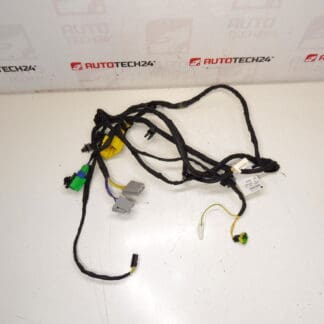
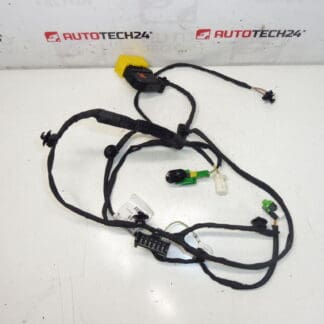
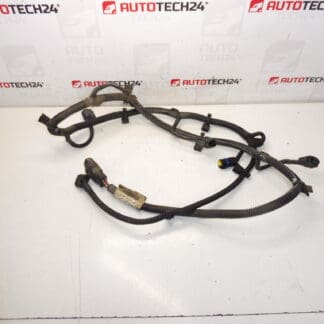
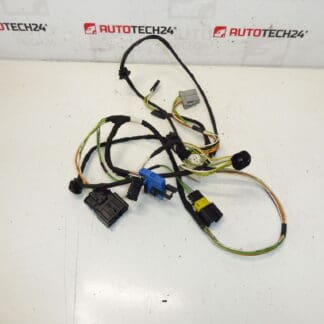
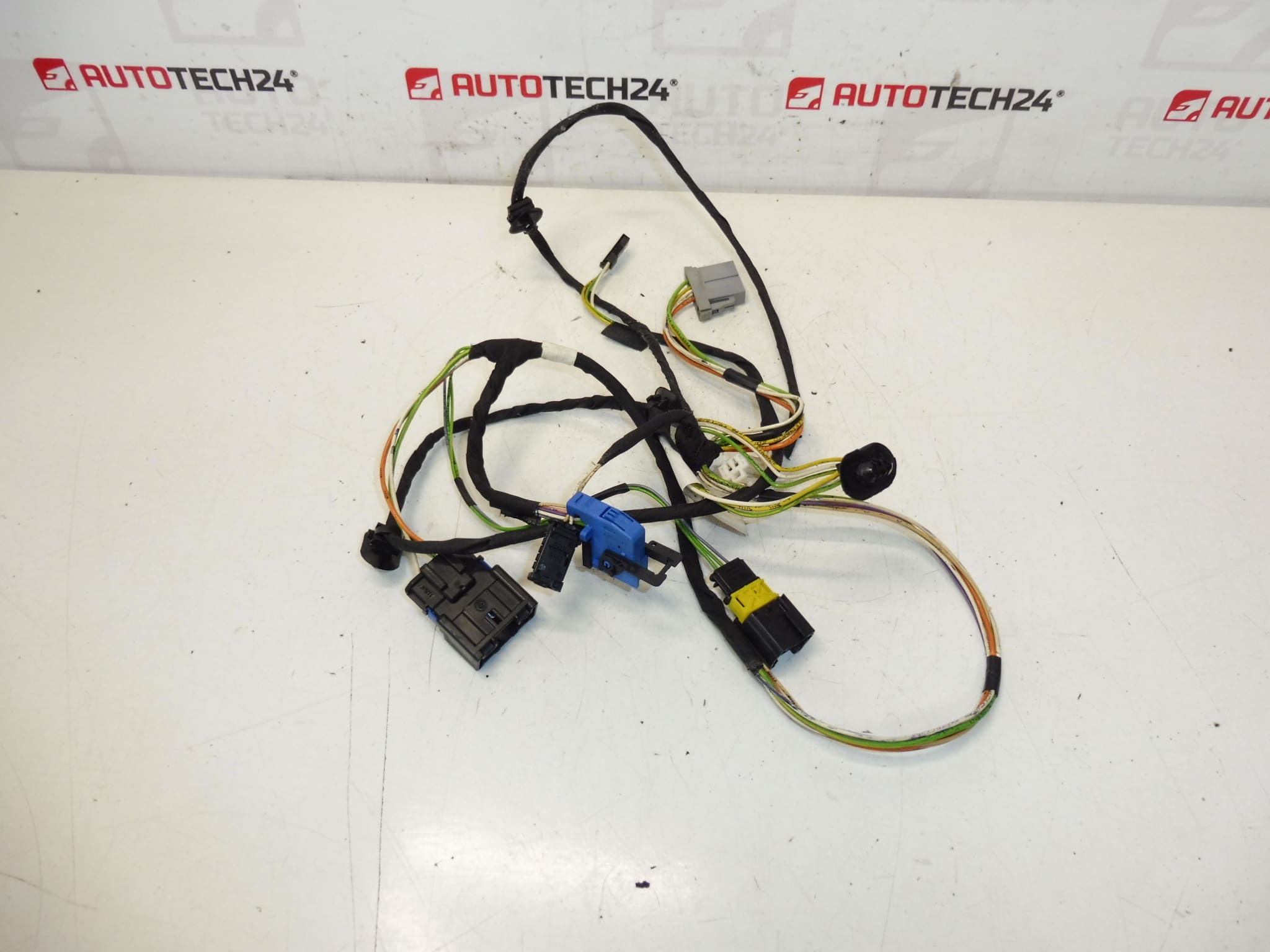
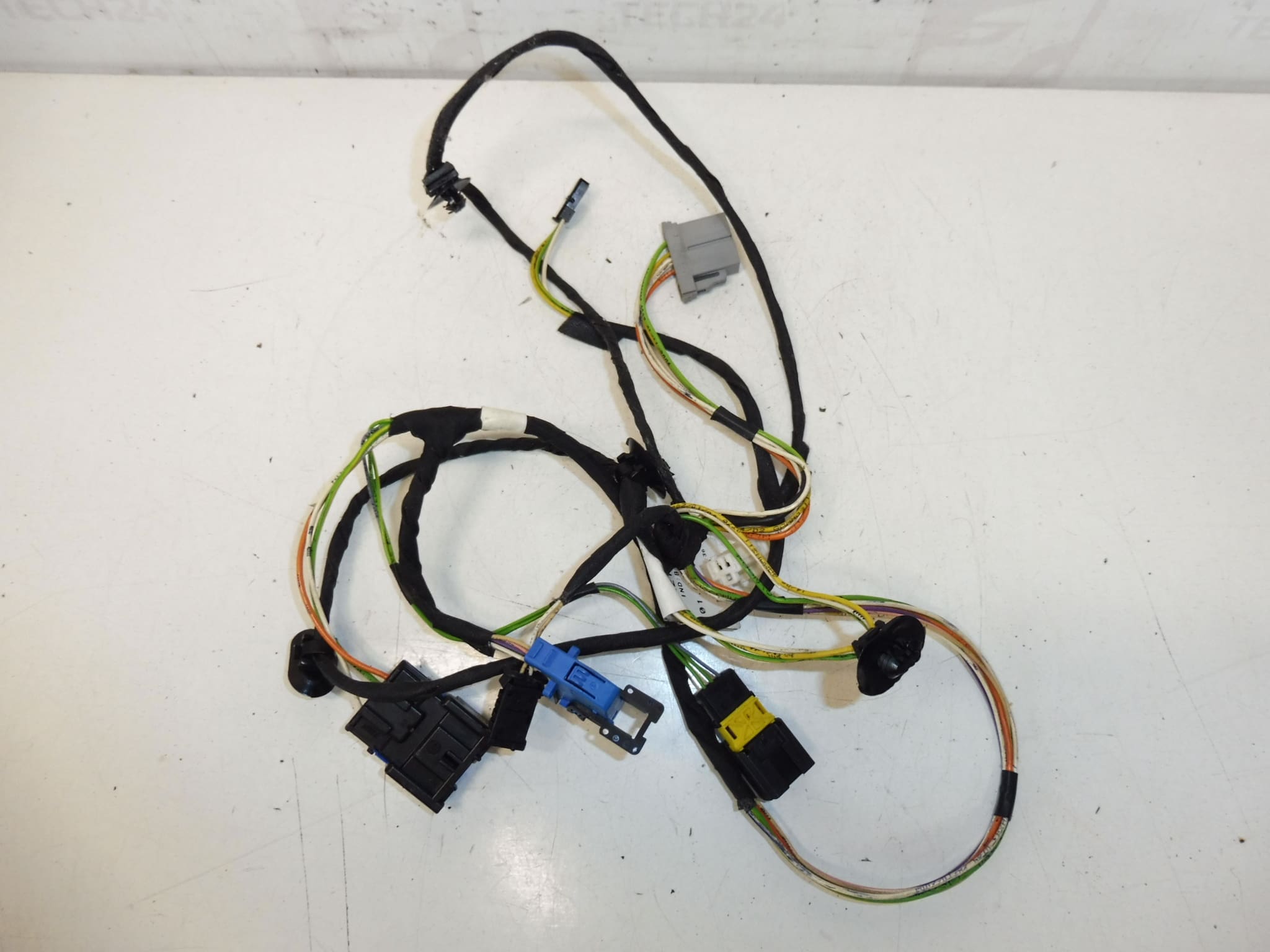
Complete wiring harness assembly for the front passenger seat for PEUGEOT 407.
The Peugeot 407 Front Passenger Seat Wiring Harness (OE 9649424480, 6533XL) is a direct-fit replacement designed to restore full electrical functionality in the front passenger seat. Intended for professional garages and experienced DIY mechanics, this complete harness addresses common issues such as intermittent seat adjuster operation, malfunctioning seat heater, and occupant detection faults that can trigger safety system warnings.
- Direct replacement for Peugeot 407 front passenger seat electrical connections.
- Includes connectors for seat adjustment motors, seat heating, occupant/weight sensor and buckle/seatbelt switch where applicable.
- OEM Reference Numbers Included: 9649424480, 6533XL.
- Robust routing and clip points to match factory harness layout and prevent chafing.
Technical Information
- Manufacturer: Stellantis / Peugeot
- Model: Peugeot 407
- Product Codes: 9649424480, 6533XL
- Other Numbers: OE 9649424480 (reference)
Installation Recommendations
Replacement of the front passenger seat wiring harness is a medium-difficulty job recommended for professional technicians or experienced DIYers with proper tools:
- Disconnect the vehicle battery and wait at least 10 minutes to allow systems to power down before working on any SRS/airbag circuits.
- Unbolt and carefully remove the front passenger seat to gain access to connectors under the seat and at the seat base.
- Document connector positions or take photos before disassembly to ensure correct reassembly.
- Disconnect all seat connectors including any SRS/airbag and occupant detection plugs, then remove the old harness routing clips and fasteners.
- Install the new harness following factory routing, secure all clips and grommets, and reconnect all plugs firmly.
- Refit the seat, torque mounting bolts to manufacturer specification, reconnect the battery and verify all seat functions and SRS/airbag status with a diagnostic tool.
When working with airbag and occupant detection circuits, follow manufacturer safety procedures. If in doubt, have the final checks and fault clearance performed with a suitable diagnostic tool capable of reading Peugeot systems.
Why This Part Fails Most Often
Common failure causes for front passenger seat harnesses include:
- Wire fatigue and breakage at the seat rail hinge area due to repeated seat travel and flexing.
- Abrasion where the harness is in contact with metal edges or mounting points, leading to exposed conductors and shorts.
- Connector corrosion or poor contact from moisture ingress or contaminated environments.
- Damage from seat heater faults, overheating or localised wear.
- Rodent or mechanical damage in rare cases.
Typical symptoms of a failing harness: intermittent or non‑functional seat adjustment, inoperative seat heating, airbag/SRS warning lamp illuminated, or error codes related to occupant detection and buckle switches.
Fitment Notes
This harness is specified for Peugeot 407 models. Verify OE part numbers against vehicle documentation where possible. There is no fixed replacement interval; failures usually occur after many years of use or high mileage, especially on vehicles with frequent seat adjustments or exposure to harsh environments.