Description
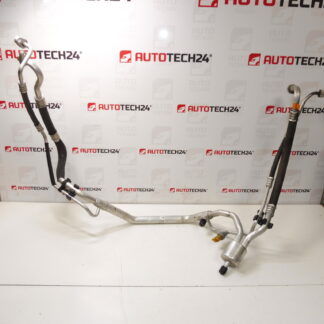
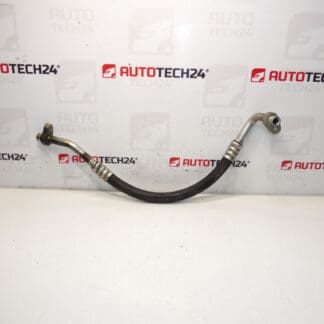
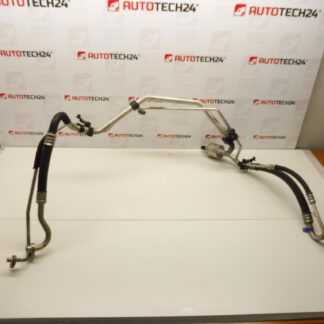
Air Conditioning Pipe For PEUGEOT 308, 3008, 5008, RCZ And CITROËN C4, C4 II, C4 PICASSO
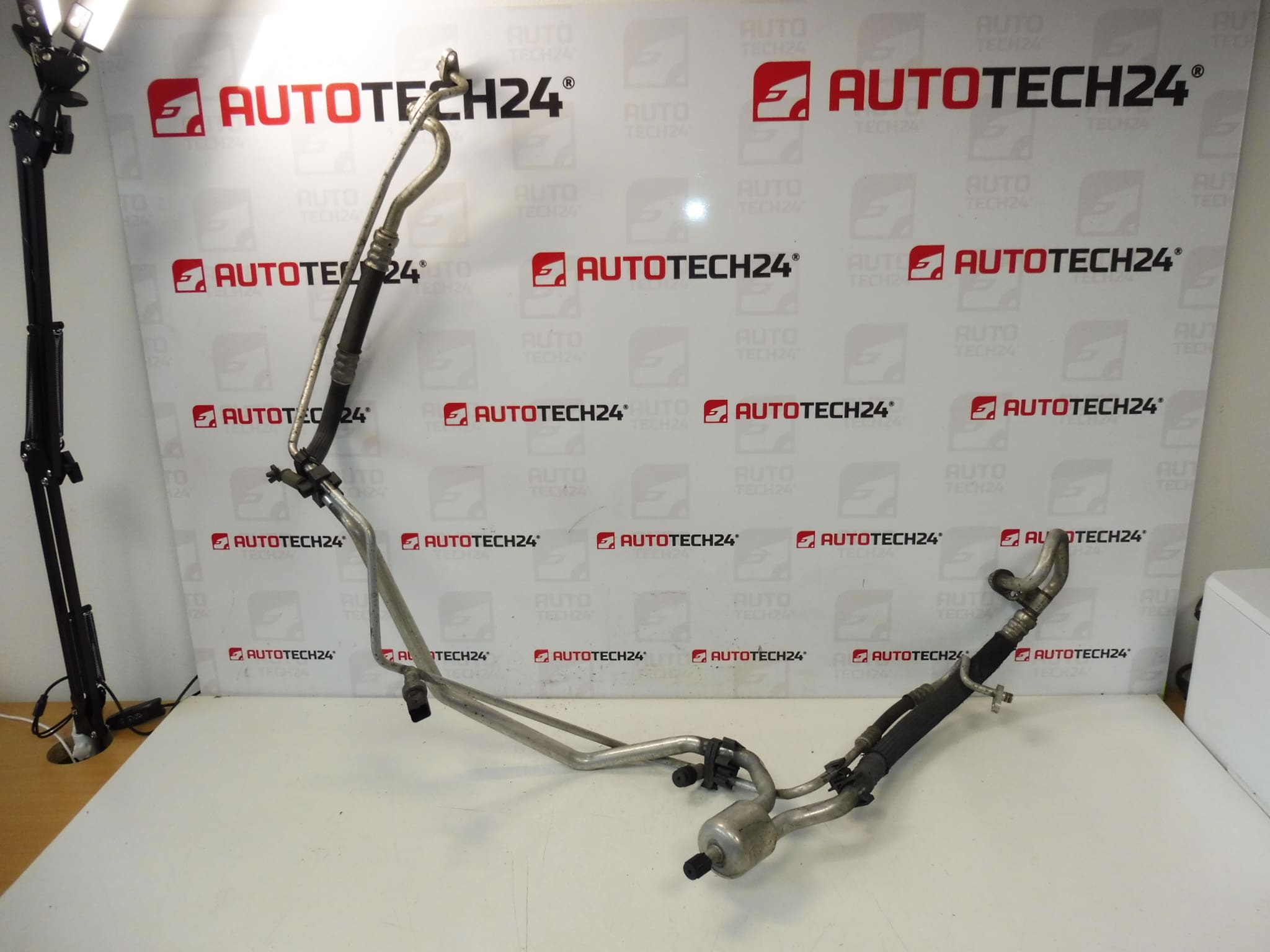
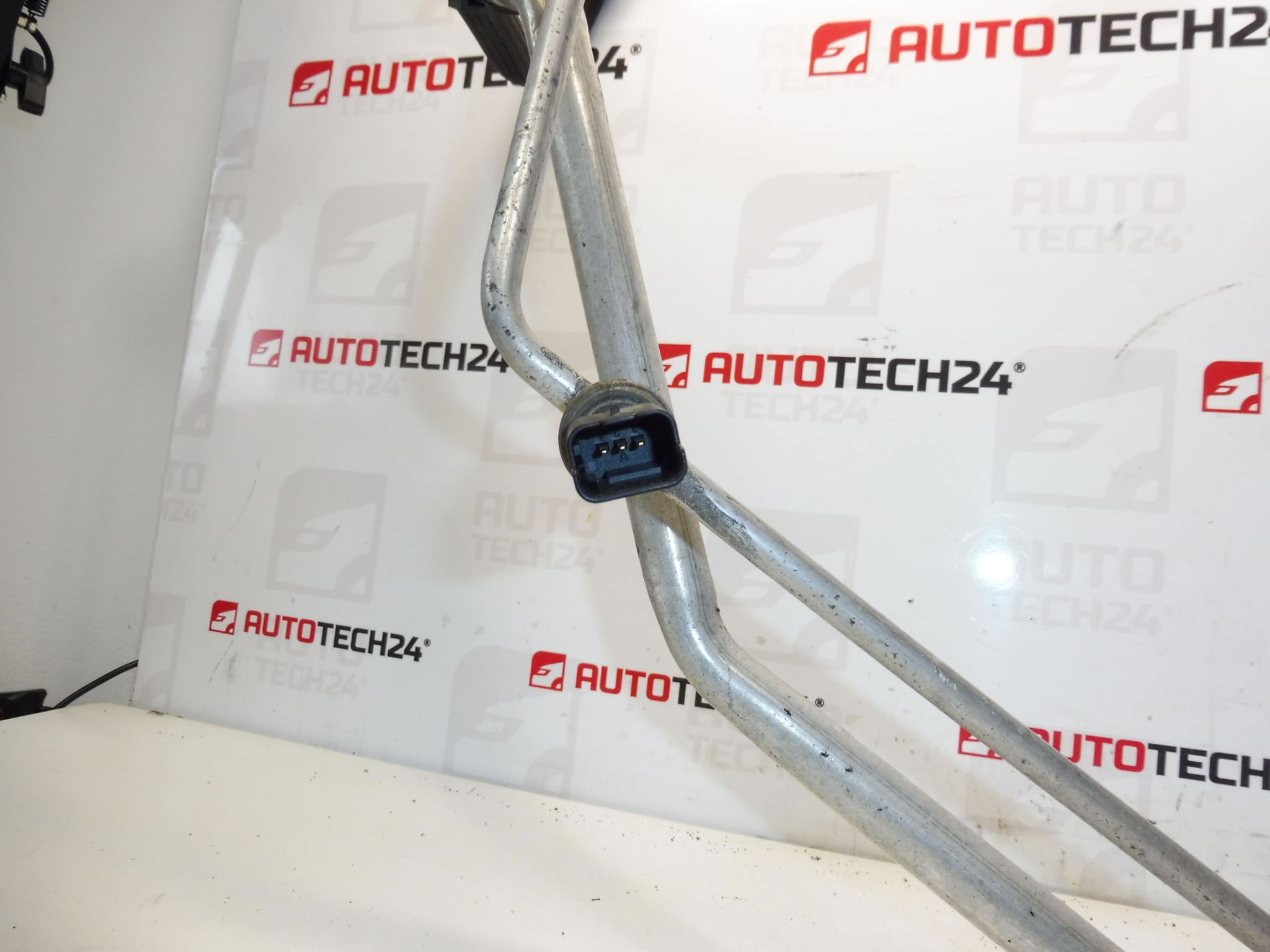
High-quality air conditioning pipe designed for a range of Peugeot and Citroën models. This AC line (OE Codes: 9684755680 / 6477H8) carries refrigerant between system components and is built to meet the durability and fitment requirements of OEM installations. Ideal for professional workshops and experienced DIY mechanics who need a direct-replacement pipe to restore system integrity and cooling performance. Including the correct part number in your search increases the chance to find the exact fit quickly.
Application And Compatibility
Compatible With The Following Models (Typical Applications): Peugeot 308, 3008, 5008, RCZ; Citroën C4, C4 II, C4 Picasso. Always verify the year and engine/A/C variant when selecting parts — many AC pipes are shared across several engine and trim versions but may differ by connector or bracket.
Technical Information
- Manufacturer: Stellantis (Peugeot/Citroën)
- Model: Peugeot 308 / 3008 / 5008 / RCZ; Citroën C4 / C4 II / C4 Picasso
- Product Codes: 9684755680, 6477H8
- Additional Numbers: Not Specified
Function And Common Faults
The Air Conditioning Pipe Transports Refrigerant And Oil Between The Compressor, Condenser, Evaporator And Service Ports. It Ensures Correct Pressure Flow And Keeps The System Sealed. Typical Failure Modes Include External Corrosion (Especially In Salted Roads), Mechanical Damage From Impacts Or Road Debris, Fatigue Cracks At Bends Or Brackets, And Seal Deterioration At Flared Fittings Or O-Rings. Symptoms Of A Faulty Pipe Include Reduced Cooling Performance, Visible Oil Traces/Residue Around Connections, Audible Hissing Under Pressure, And Loss Of System Pressure On Leak Test.
How Replacement Is Performed
Replacement Should Be Carried Out By A Trained Technician Or An Experienced DIY Mechanic Comfortable With A/C Service Procedures. Typical Steps:
- Recover Refrigerant Using Approved Recovery Equipment To Meet Environmental Regulations.
- Remove Retaining Clips, Brackets And Fasteners Securing The Pipe.
- Carefully Disconnect Fittings; Inspect And Replace O-Rings/Seals With Correct Size And Refrigerant-Resistant Material.
- Fit The New Pipe, Ensure Proper Routing And Secure All Clamps/Brackets To Avoid Rubbing Or Vibration.
- Follow Manufacturer Torque Specifications For All Connections.
- Perform Leak Test, Deep Vacuum, And Correct Refrigerant/Oil Recharge According To Vehicle Specification.
- Verify System Operation And Recheck For Leaks After A Short Test Drive.
Installation Recommendations
- Always Recover Refrigerant Before Work And Recycle/Dispose Of It According To Regulations.
- Replace O-Rings And Seals Whenever Connections Are Opened; Lubricate O-Rings With The Correct Refrigerant Oil (PAG Or As Specified By Manufacturer).
- Use Correct Type And Amount Of Refrigerant For The Vehicle (R134a Or R1234yf Depending On Model/Year).
- Inspect Adjacent Components (Compressor, Condenser, Hoses) For Damage Or Contamination That Could Compromise The New Pipe.
- Perform A Pressure/Leak Test And A Proper Vacuum Before Charging The System.
- Follow Vehicle Manufacturer Procedures And Torque Settings To Avoid Overstretching Or Damaging Fittings.
- Wear Appropriate Personal Protective Equipment And Avoid Skin/Eye Contact With Refrigerant.
Why The Part Fails Most Often
Corrosion From Road Salt And Moisture, Mechanical Impact From Road Debris Or Accidents, Vibration-Induced Fatigue At Mounting Points, And Age-Related Degradation Of Seals Are The Most Common Causes. Contamination Inside The System Or Overpressure Events Can Also Lead To Premature Failure.
Useful Tips For Mechanics
- Include The Part Number (9684755680 / 6477H8) In Search And Documentation To Ensure Accurate Fitment.
- When Replacing A Pipe, Consider Inspecting And Potentially Replacing Nearby Hoses And Receiver/Drier Or Accumulator If Contamination Or Moisture Is Present.
- After Service, Monitor System Pressures And Cooling Performance To Confirm Repair Success.