Description
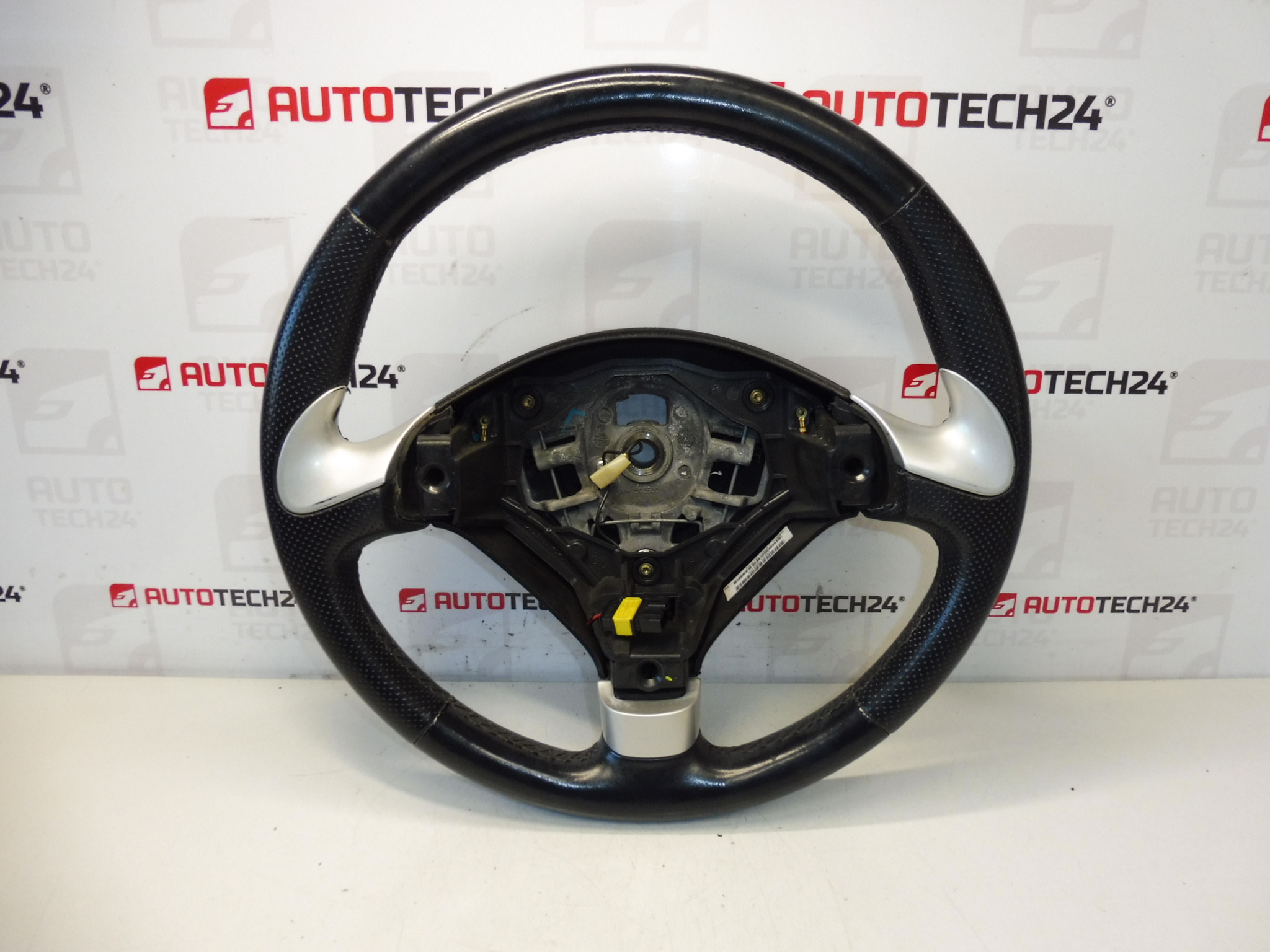
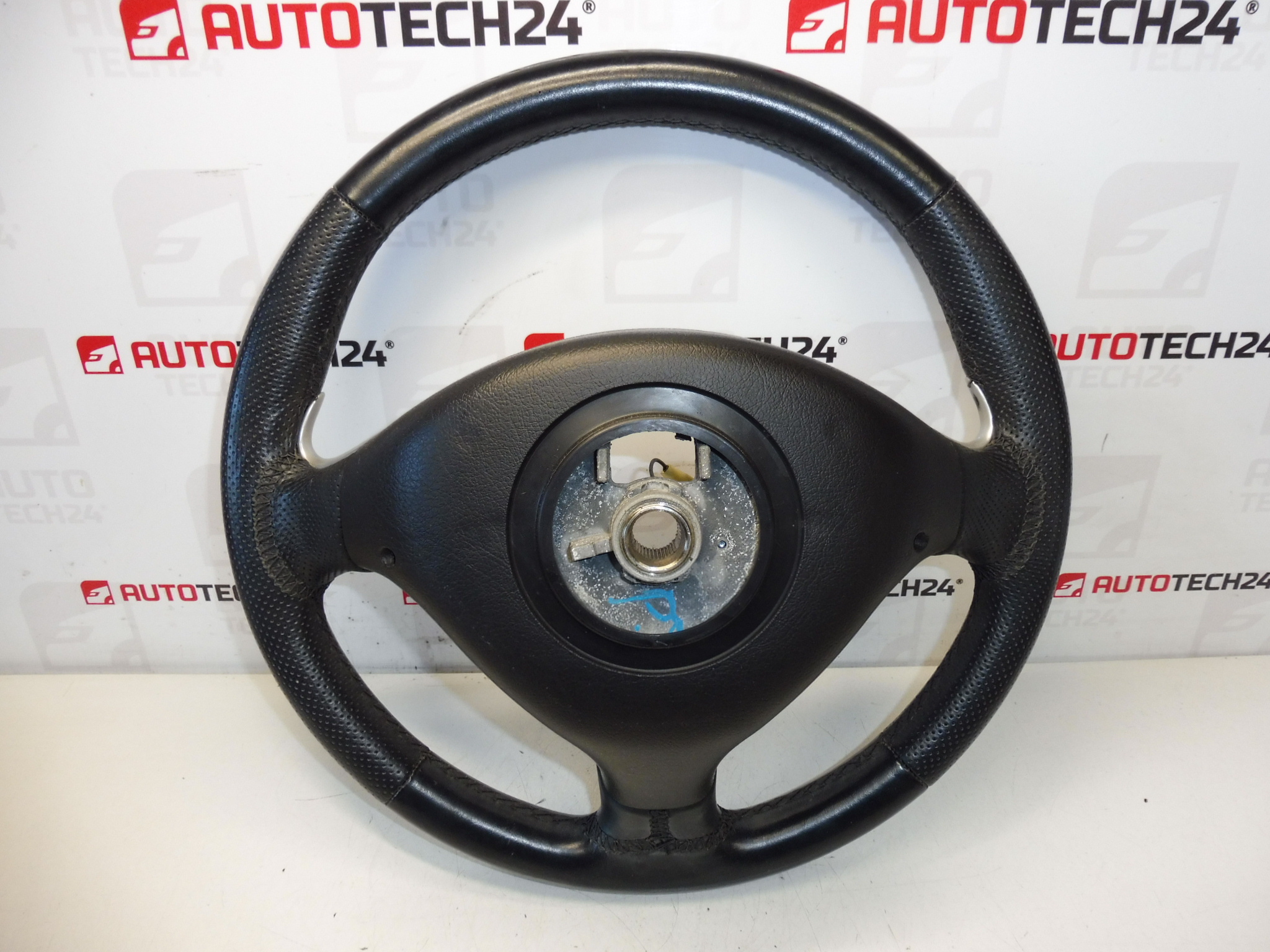
Steering wheel for PEUGEOT 307 CC and 307. Color: HZR – Grey Astrakan. Actual photo.
This original-style steering wheel is designed for Peugeot 307 CC and standard 307 models and is an excellent replacement for workshops and DIY mechanics seeking correct fit, finish and factory appearance. Finished in Grey Astrakan (code HZR), it restores the interior look while providing a solid mounting surface for controls, horn and airbag system (where applicable). The part is commonly sought by part number 96467818ZR / 4109EZ, making it easy to find in catalog searches and online listings.
Key Benefits
– Direct-fit replacement for a correct steering feel and alignment.
– OEM color match: HZR (Grey Astrakan) for consistent interior appearance.
– Ideal for professional garages and competent DIY enthusiasts who perform safe airbag handling and steering system work.
Fitment
Compatible with: Peugeot 307 CC and Peugeot 307 (verify by product code 96467818ZR / 4109EZ). This steering wheel is intended as a direct replacement on vehicles originally equipped with the same wheel trim and mounting specification.
Technical Information
- Manufacturer: Stellantis / Peugeot
- Model: Peugeot 307 CC; Peugeot 307
- Product Codes: 96467818ZR, 4109EZ
- Additional Numbers: NFP
Function And Notes
The steering wheel provides the primary driver interface for steering input and typically houses switches for horn and vehicle controls and the driver’s airbag module (on vehicles equipped as such). It also transmits tactile feedback to the driver and must be installed with correct centering and torque to maintain steering geometry and safety system function.
Replacement Procedure (Overview)
- Safety First: Disconnect the vehicle battery and follow the manufacturer’s recommended waiting time before touching the airbag system.
- Mark Wheel Position: With the front wheels straight, mark the steering wheel position relative to the shaft to ensure correct reinstallation.
- Remove Airbag: Carefully remove the airbag module bolts or clips and disconnect connectors (observe SRS safety precautions).
- Disconnect Wiring: Unplug horn and steering-switch connectors and any clock spring/spiral cable connectors as required.
- Remove Wheel: Loosen and remove the central nut, then use a suitable steering wheel puller to remove the wheel from the splined shaft.
- Install New Wheel: Align marks, slide the new wheel onto the splines, torque the centre nut to the vehicle manufacturer specification and reconnect wiring.
- Reinstall Airbag: Reconnect airbag connectors and secure the module. Reconnect the battery and verify SRS / airbag light and steering controls.
Installation Recommendations
- Always disconnect the battery before any work on the airbag system and allow the manufacturer-recommended wait time for system discharge.
- Use the correct tools (steering wheel puller, torque wrench, appropriate screwdriver/torx) to avoid damage to the splines and fasteners.
- If the clock spring (spiral cable) is worn or the SRS warning lamp is present, replace or calibrate the clock spring when replacing the wheel.
- After installation, check wheel alignment and perform any required steering angle sensor calibration following manufacturer procedures.
Why This Part Most Often Fails
- Cosmetic Wear: Surface wear, fading or peeling of the trim due to use and sun exposure.
- Airbag Deployment: After deployment the steering wheel or airbag module is often replaced.
- Clock Spring Failure: Repeated steering movement and connector wear can cause spiral cable failure, resulting in horn, airbag or control switch faults.
- Mechanical Damage: Impact incidents or improper removal/installation can damage splines, fasteners or internal mounting points.
This steering wheel is supplied as shown in the actual photos. For safe and reliable replacement, follow the vehicle manufacturer’s safety and installation procedures and use qualified tools when working on the steering and SRS systems.