Description
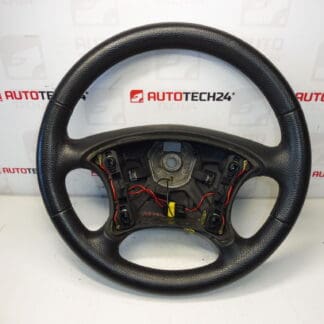
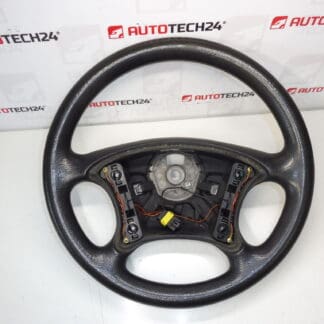
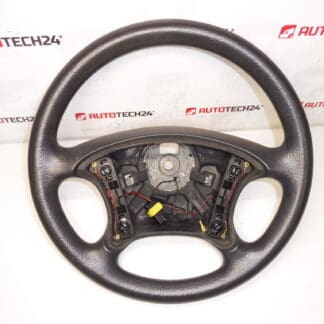
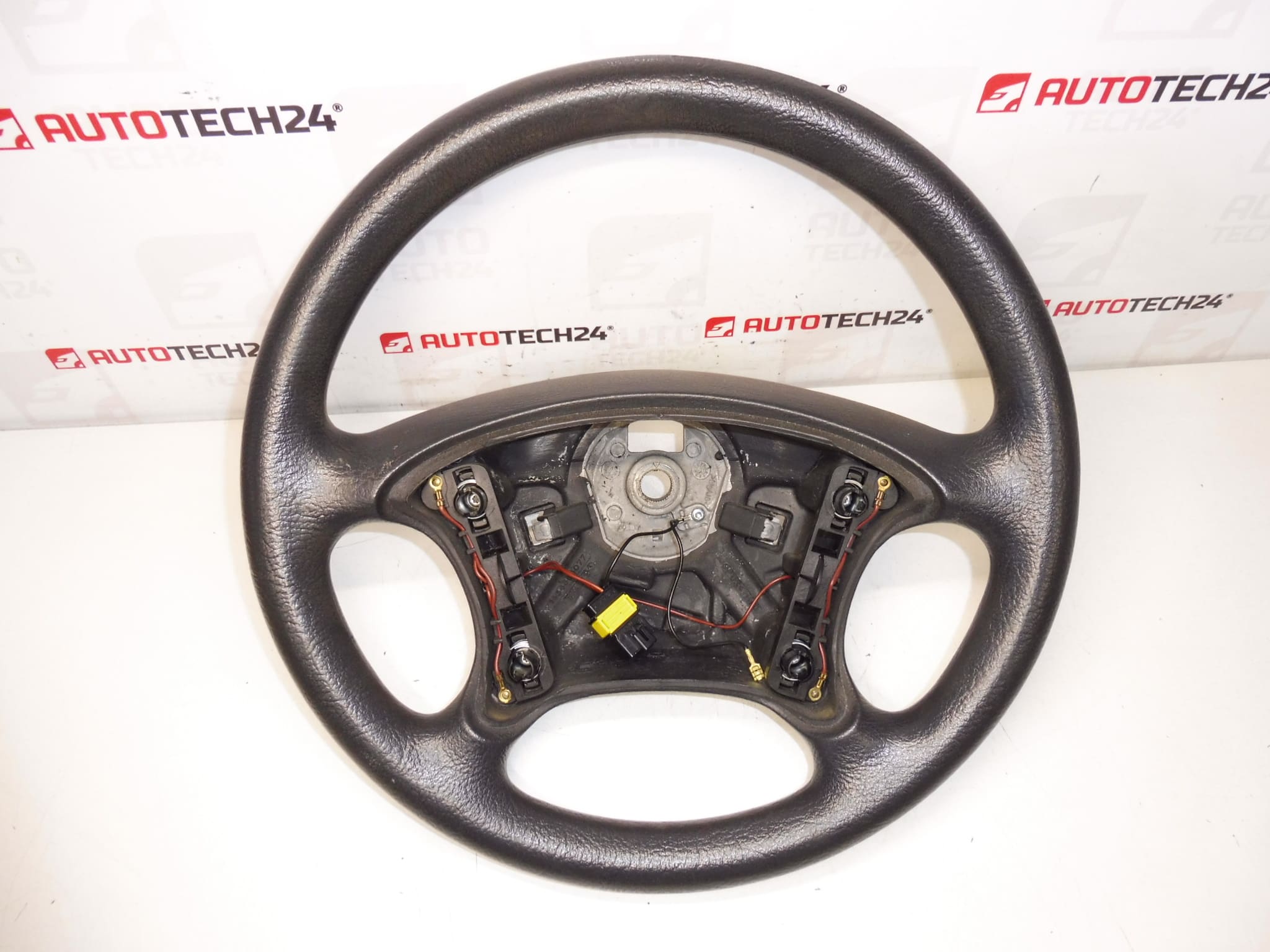
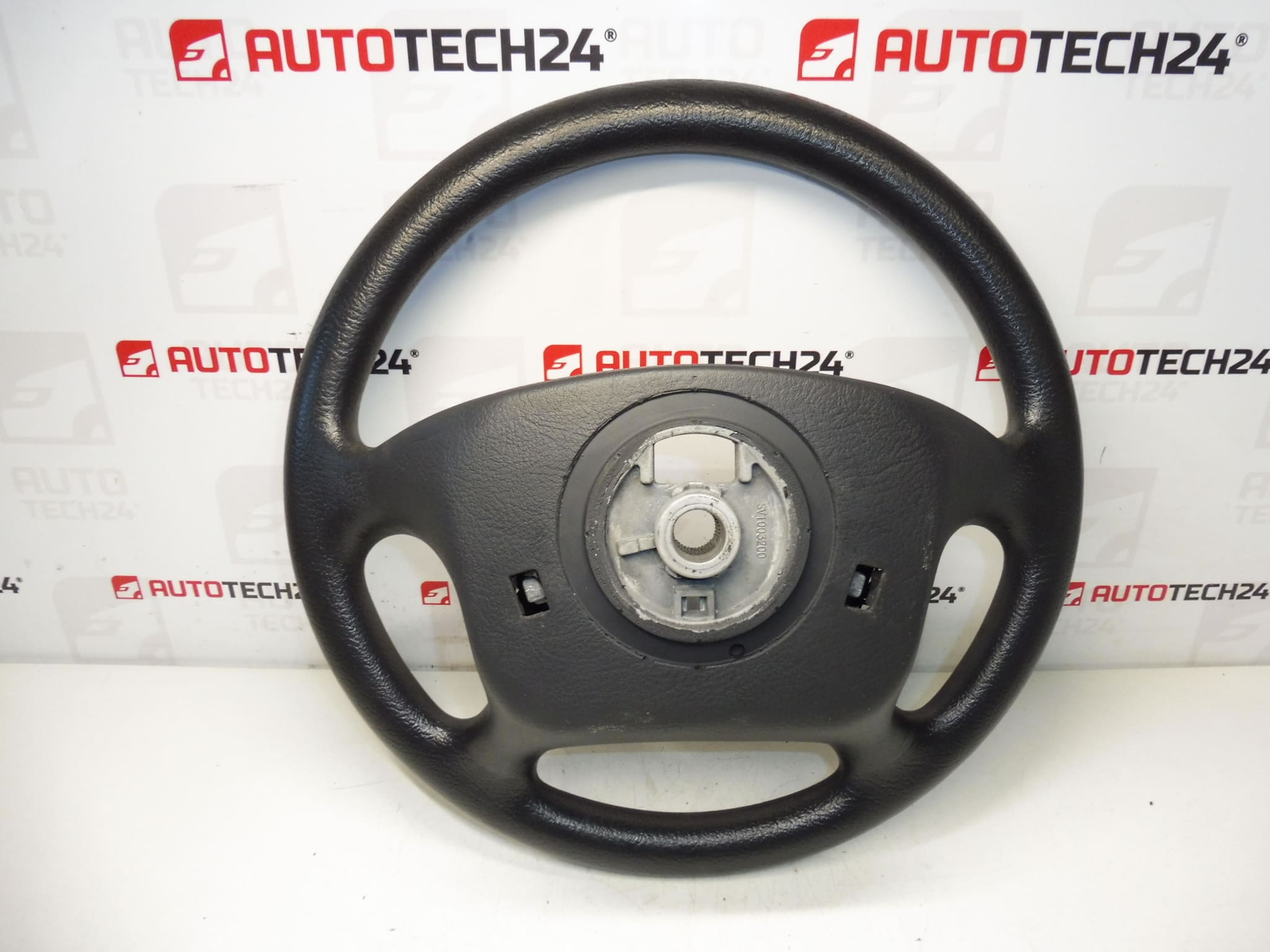
Steering Wheel For Citroën C8 And Peugeot 807. Color HYR- – Alpaga Gray
High-quality replacement steering wheel designed for Citroën C8 and Peugeot 807. This steering wheel, listed under product codes 14845630YR and 4109AW, is an ideal choice for professional mechanics and DIY enthusiasts looking for a direct-fit interior upgrade. The Alpaga Gray finish (Color Code HYR-) delivers an OEM-style appearance that matches factory interiors and improves tactile comfort and grip. Customers frequently search by the product codes 14845630YR and 4109AW—include these codes to find an exact match quickly.
Technical Information
- Manufacturer: Stellantis
- Model: Citroën C8, Peugeot 807
- Product Codes: 14845630YR, 4109AW
- Other Numbers: NFP (as referenced in source description)
Fit And Features
The steering wheel features a factory-style rim profile in Alpaga Gray for a comfortable hand position and improved driving feel. It is intended as a direct replacement for original steering wheels on compatible Citroën C8 and Peugeot 807 models that use the listed part numbers. Compatible with standard steering columns and original mounting interfaces—ensure the part codes match the vehicle’s original part number for correct fitment.
Installation Recommendations
- Safety First: Disconnect the vehicle battery and wait at least 10 minutes before starting work to reduce the risk of accidental airbag deployment.
- Airbag Handling: Remove the airbag module following manufacturer procedures. Handle airbag components with care and place them face up on a stable surface.
- Wheel Removal: Mark the steering shaft alignment relative to the wheel to preserve orientation. Remove the center retaining nut and, if necessary, use a suitable steering wheel puller to avoid damaging the splines.
- Electrical Connections: Carefully disconnect and reconnect horn and steering-wheel-mounted switch connectors. Verify all electrical contacts are seated and free of corrosion.
- Refit And Torque: Refit the wheel aligned to the marks, tighten the central nut to the vehicle manufacturer’s specified torque, reconnect the airbag and battery, and confirm correct operation of horn and steering controls.
- Post-Fit Checks: After installation, check for airbag warning lights and, if applicable, recalibrate the steering angle sensor with diagnostic equipment to ensure stability control and driver assistance systems function correctly.
Why The Part Most Commonly Fails
- Wear And Tear: Natural abrasion, oils from hands, and UV exposure lead to surface deterioration and loss of grip over time.
- Impact Damage: Collision or airbag deployment often damages the wheel structure, necessitating replacement.
- Electrical Wear: Contacts for horn and steering-wheel switches can fail due to dirt, corrosion, or repeated use.
- Improper Installation: Incorrect mounting or insufficient torque can cause looseness and accelerated wear of the spline interface.
This steering wheel is aimed at professionals and competent DIYers who require a reliable, direct-replacement interior component for Citroën C8 and Peugeot 807 vehicles. Use the product codes 14845630YR and 4109AW when searching to ensure compatibility and fast identification.