Description
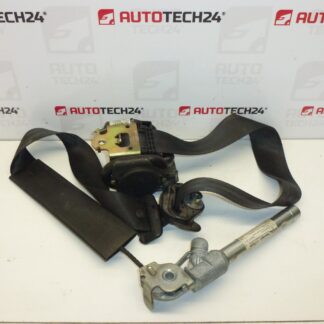
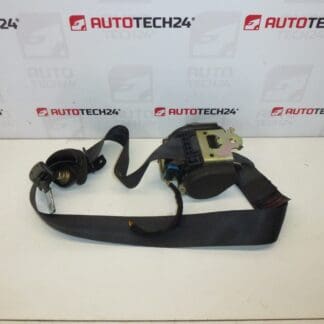
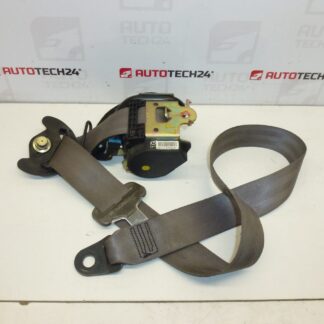
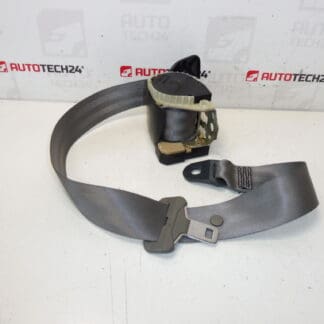
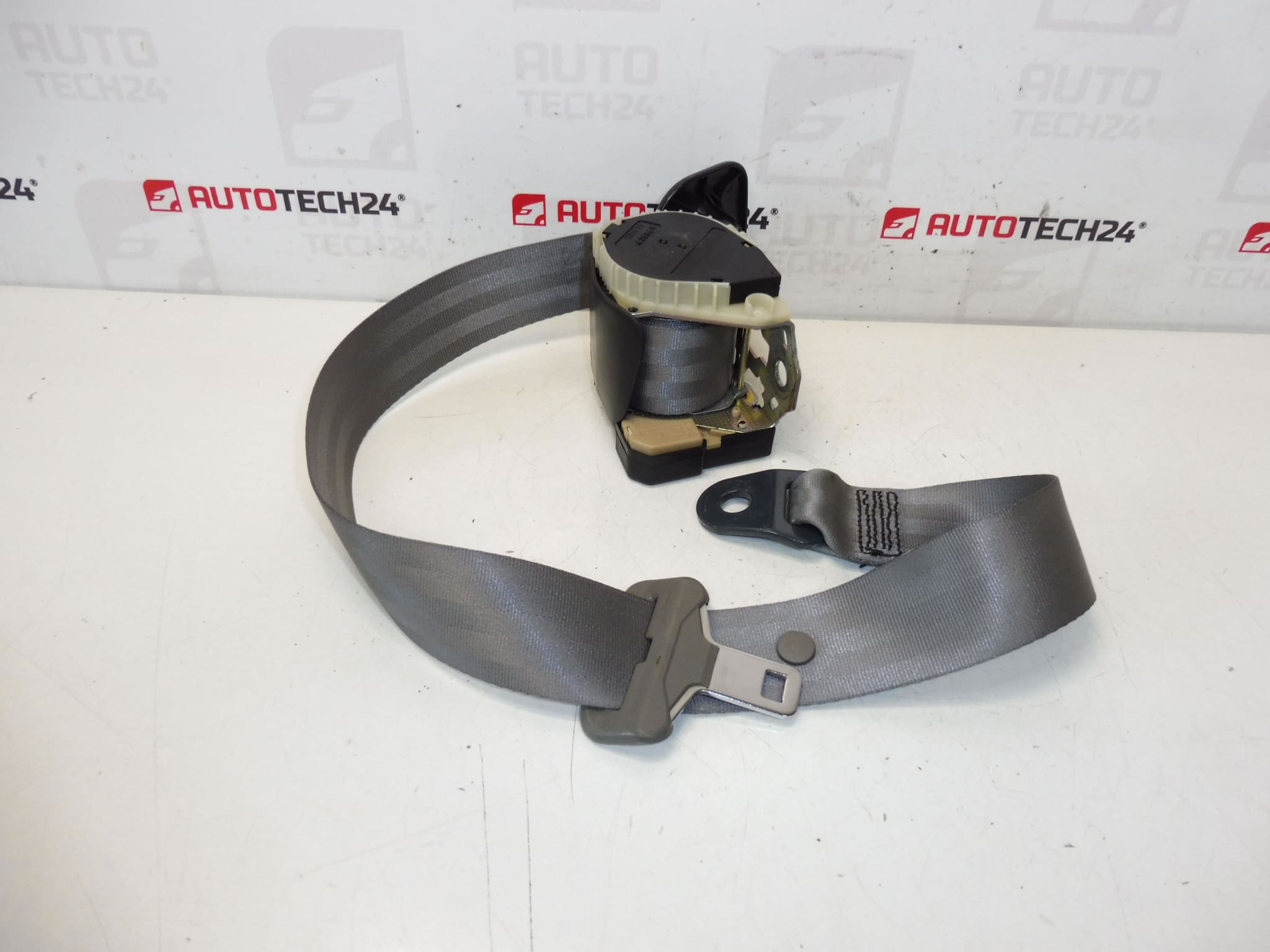
Rear Centre Safety Belt For Citroën C5 II Vehicles. Color FGW- – DIGIMAT.
High-quality rear centre seat belt designed for Citroën C5 II models, offered as a direct replacement part under code 8974Y3. Ideal for professional workshops and experienced DIYers who need a reliable safety belt that restores occupant protection to factory specification. The belt features the DIGIMAT FGW- colour finish for a correct visual match with the original interior and is suitable for installations where a three-point centre restraint is required.
Technical Information
- Manufacturer: Stellantis / Citroën
- Model: Citroën C5 II (Second Generation)
- Product Codes: 8974Y3
- Other Numbers: NFP
Applications
Fits Citroën C5 II (second generation). Verify vehicle model year and interior trim visually before installation. Commonly used as the rear middle three-point restraint in estate and saloon body variants.
Function And Construction
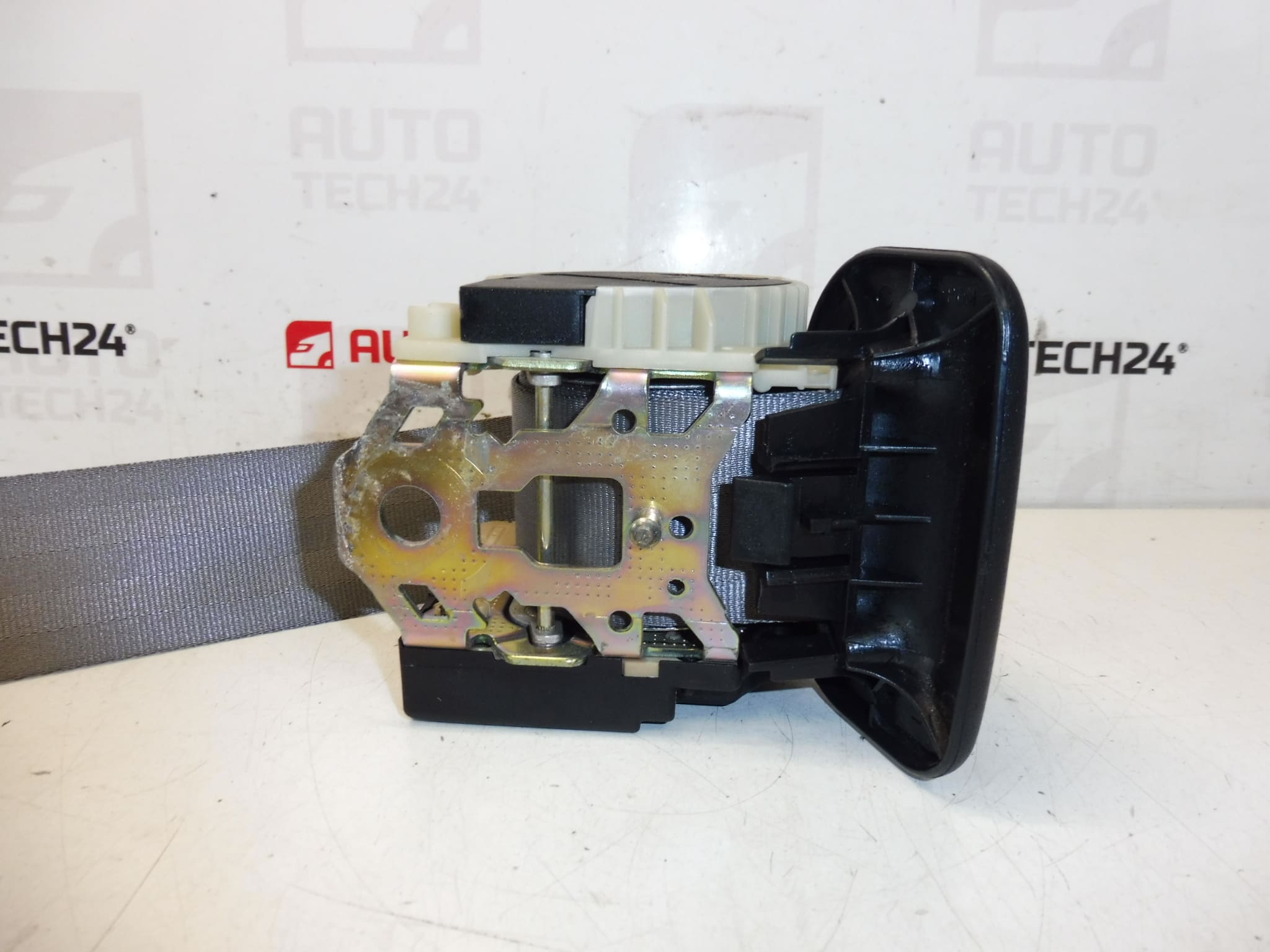
The rear centre seat belt is a three-point restraint that secures the occupant across the pelvis and torso, reducing forward movement in the event of a crash. The assembly typically includes a webbing strap, tongue and buckle, anchor points and a retractor mechanism that locks under sudden deceleration. Some vehicles include a pretensioner integrated with the belt—this device activates in a collision to remove slack quickly and improve occupant restraint.
Common Failure Reasons
- Wear And Abrasion: Frayed or cut webbing from prolonged use or contact with sharp edges weakens the belt.
- Contamination: Oil, chemicals or heavy soiling can degrade webbing and stitching.
- Retractor Malfunction: Dirt, corrosion or internal spring failure can prevent proper retraction or locking.
- Pretensioner Deployment: After a collision the pretensioner is typically used once and must be replaced.
- Anchor Or Buckle Damage: Corroded or bent anchor bolts and damaged buckles compromise safety.
Installation Recommendations
- Work Should Be Performed By A Qualified Technician Or A Competent DIYer With Automotive Experience.
- If The Assembly Contains A Pretensioner Or Is Linked To The Airbag System, Disconnect The Battery And Wait At Least 3–5 Minutes Before Starting Work To Avoid Unintended Deployment.
- Remove Interior Trim Panels Carefully To Avoid Breaking Clips; Use Proper Trim Tools.
- Replace All Fasteners With Correct Grade Bolts And Torque To Manufacturer Specification.
- After Installation, Check Smooth Retraction And Proper Latching Of The Tongue; Ensure Webbing Is Not Twisted.
How It Is Replaced
- Park The Vehicle On A Level Surface And Apply The Parking Brake.
- If Applicable, Disconnect The Negative Battery Terminal And Wait The Recommended Time.
- Remove Surrounding Trim Panels To Access The Retractor, Anchor Bolts And Buckle Mountings.
- Unbolt The Lower Anchor(s) And The Retractor Unit; Detach The Buckle If Required.
- Fit The New Belt Assembly In The Same Routing Position, Secure Retractor And Anchors, Then Torque All Bolts To Spec.
- Reinstall Trim, Reconnect The Battery, And Perform A Functional Check: Belt Retracts Smoothly, Locks Under Sudden Pull, And Buckles Securely.
Service Life And Replacement Advice
Seat belts have no fixed service interval but must be replaced after involvement in a moderate or severe collision, after visible damage to webbing or hardware, or when the retractor or buckle fail. Regularly inspect belts for cuts, fraying, contamination and correct operation to ensure continued occupant safety.
Why Replace
Replacing a worn or damaged rear centre belt restores vital occupant protection. A correctly fitted belt reduces injury risk in accidents and meets legal safety requirements. Use original-equivalent parts such as product code 8974Y3 to ensure proper fit and performance.