Description
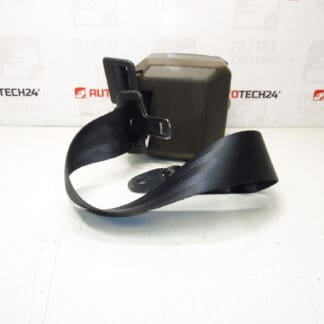
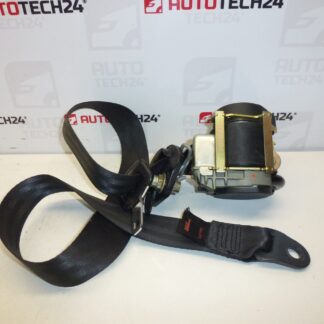
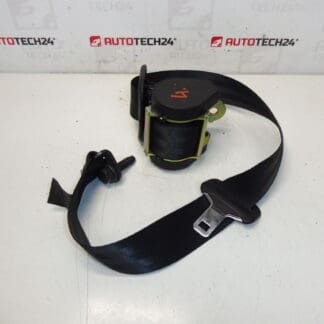
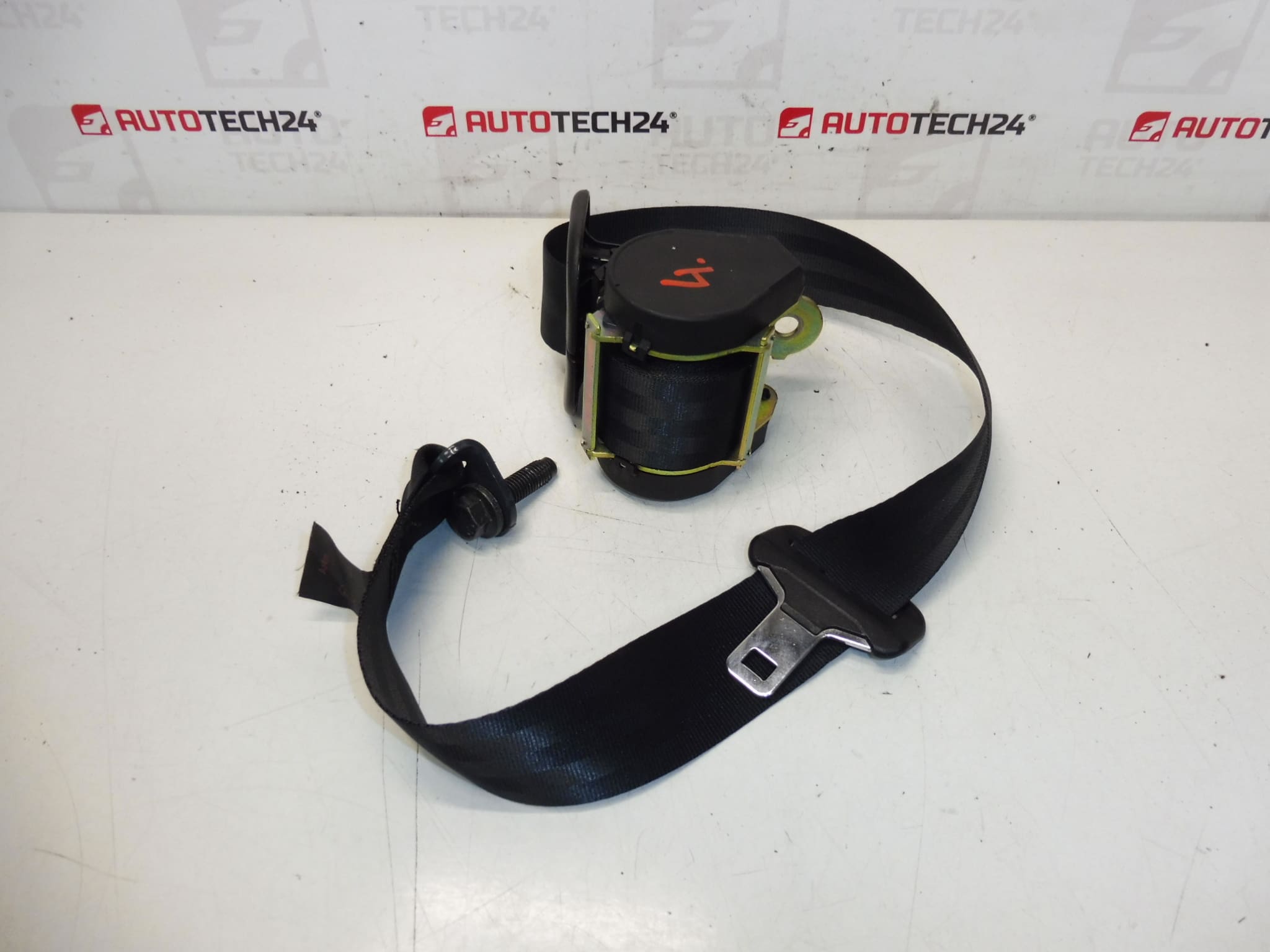
Center Rear Seat Belt For Peugeot 407. Color FXX Black.
This used center rear seat belt is a direct-fit replacement designed for Peugeot 407 vehicles. It is a practical choice for professional workshops and DIY mechanics who need a reliable original-equipment style component to restore rear middle-seat occupant restraint. The part is frequently searched by its product codes, making it easy to find and order quickly.
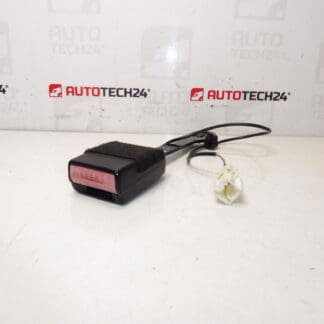
Function: The assembly secures the rear center passenger and is designed to lock under sudden deceleration or impact. The delivered unit includes the belt webbing and the mounting components; depending on the vehicle specification the retractor and buckle condition/variant may differ. Webbing is supplied in Color FXX Black, matching the interior trim of many Peugeot 407 versions.
Technical Information
- Manufacturer: Stellantis (Peugeot/Citroën)
- Model: Peugeot 407
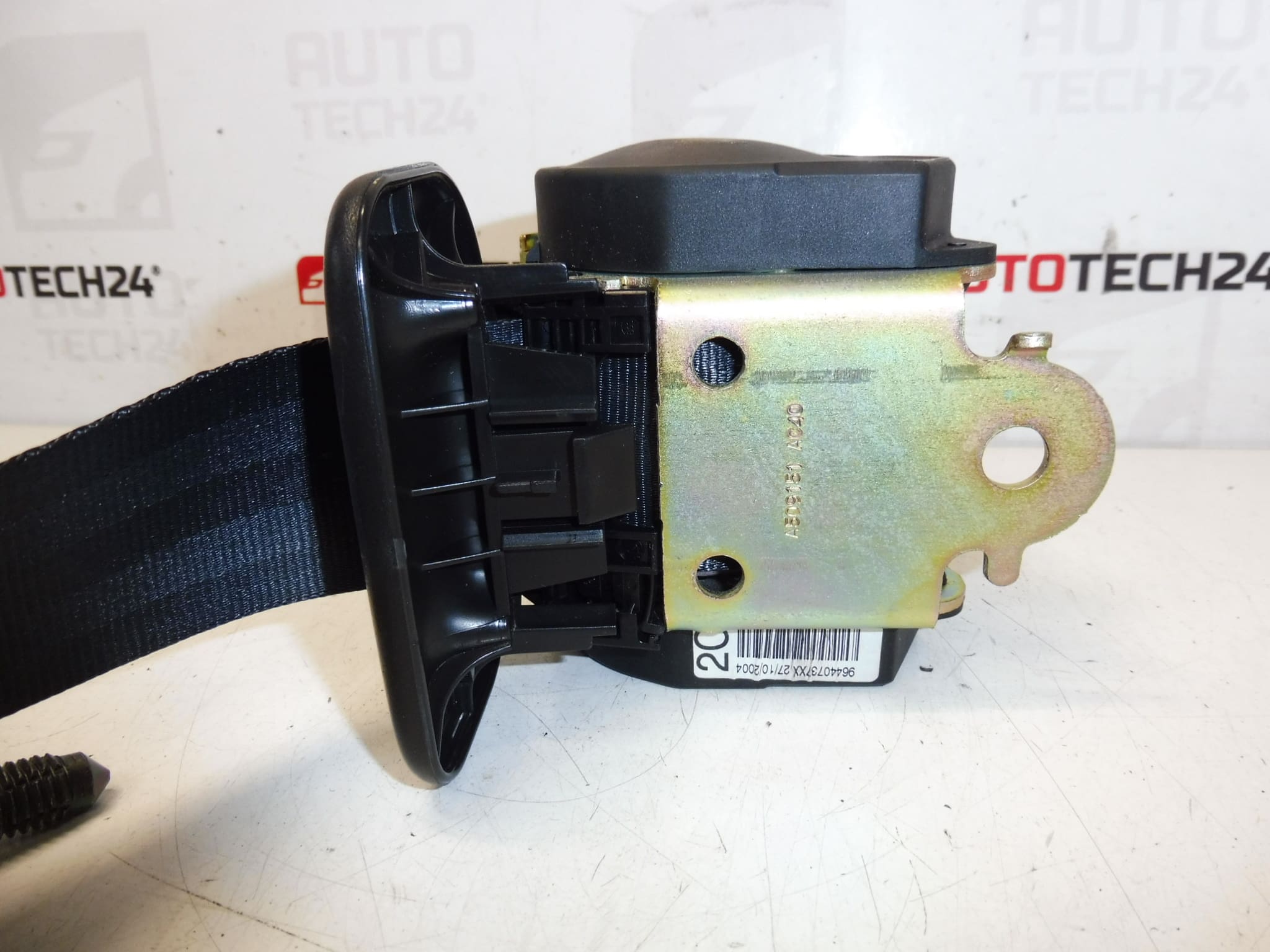
- Product Codes: 96440737XX, 8974HL
- Additional Numbers: NFP
Installation Recommendations
- Preparation: Work on a flat surface and, if the part or the vehicle is equipped with a pyrotechnic pretensioner, disconnect the vehicle battery and wait according to the manufacturer’s safety procedure before starting work.
- Typical Steps: Remove rear seat cushion/backrest or relevant trim to access the retractor and anchor points; unbolt the lower anchor and retractor fastenings; remove the old assembly and fit the replacement ensuring the webbing routes correctly; torque all bolts to manufacturer specifications; reassemble trim and test belt run and locking action.
- Tools: Metric socket set, torque wrench (follow manufacturer torque values), trim tools, safety gloves.
- Final Check: Verify smooth extension and retraction, ensure the belt locks when pulled sharply, and confirm all fasteners are tightened to the correct torque.
Why The Part Commonly Fails
- Wear And Abrasion: Repeated use can fray or weaken webbing, reducing effectiveness and requiring replacement.
- Contamination And Jamming: Dirt, debris or foreign objects can cause the retractor to stick or fail to rewind properly.
- Impact Damage: After a collision the belt assembly or its pretensioner may have activated or been compromised and must be replaced.
- Corrosion Or Fastener Damage: Moisture and corrosion at anchor points or damaged mounting bolts can lead to reduced integrity.
Notes For Buyers
This listing is especially useful if you are searching by part numbers 96440737XX or 8974HL. Suitable for mechanics and competent DIY installers who follow safety and manufacturer procedures. Replace the belt immediately if webbing is cut, frayed, or if the retractor does not operate correctly.
Order now to restore correct occupant restraint for the rear middle seat of your Peugeot 407 and ensure safe operation following professional installation.