Description
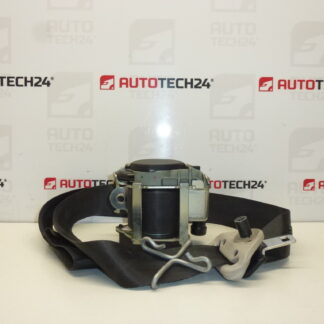
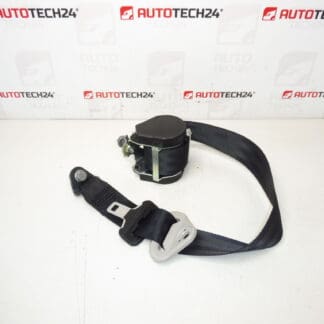
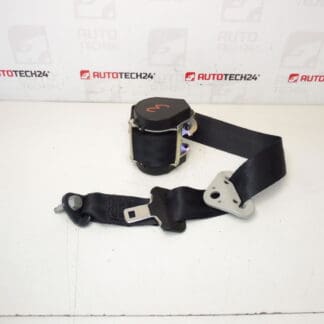
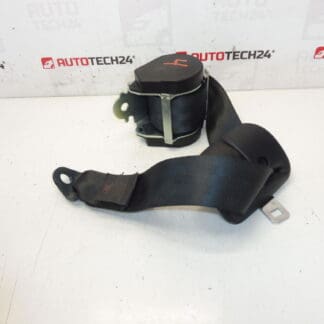
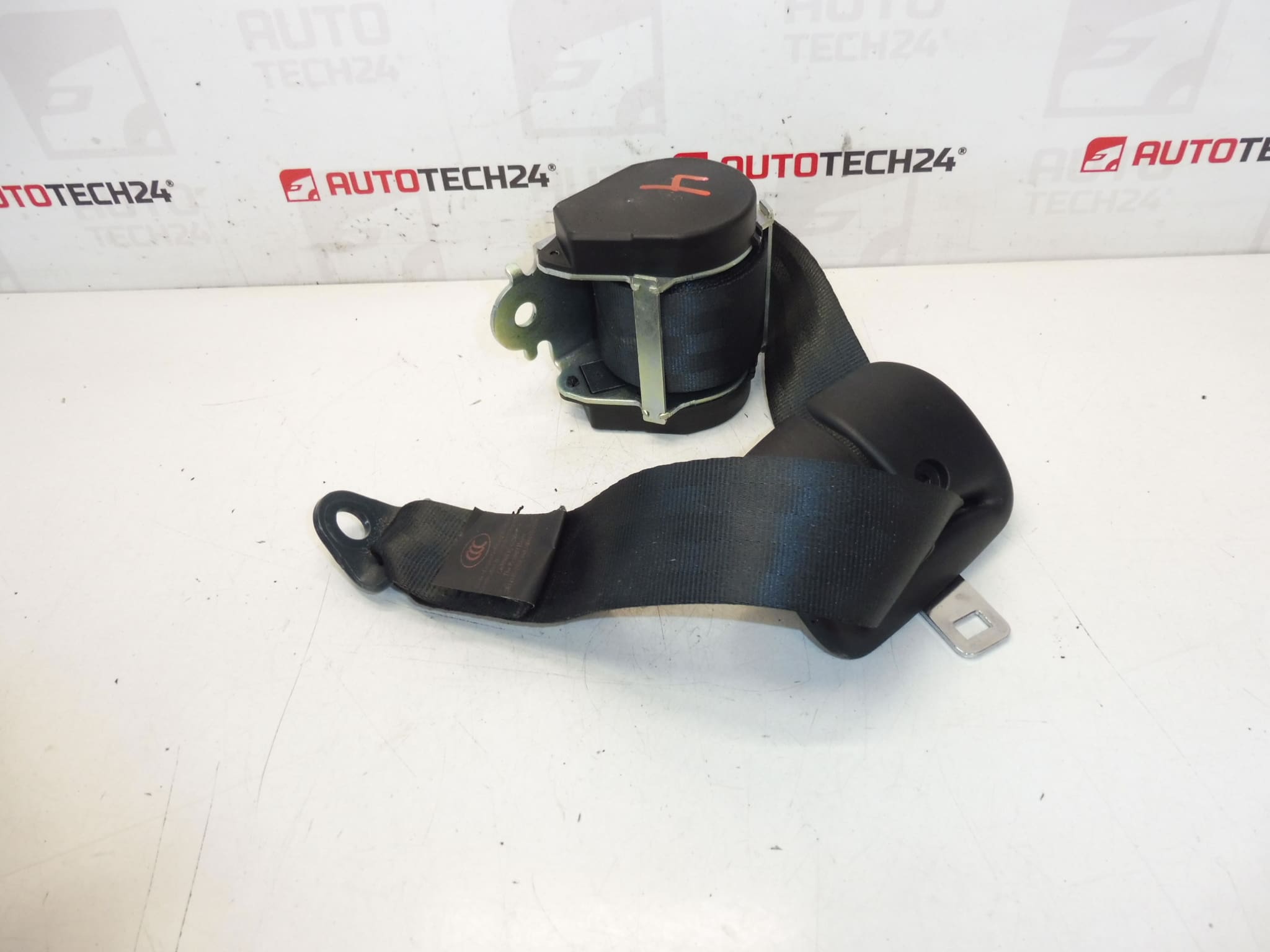
Rear center seat belt for PEUGEOT 207 vehicles
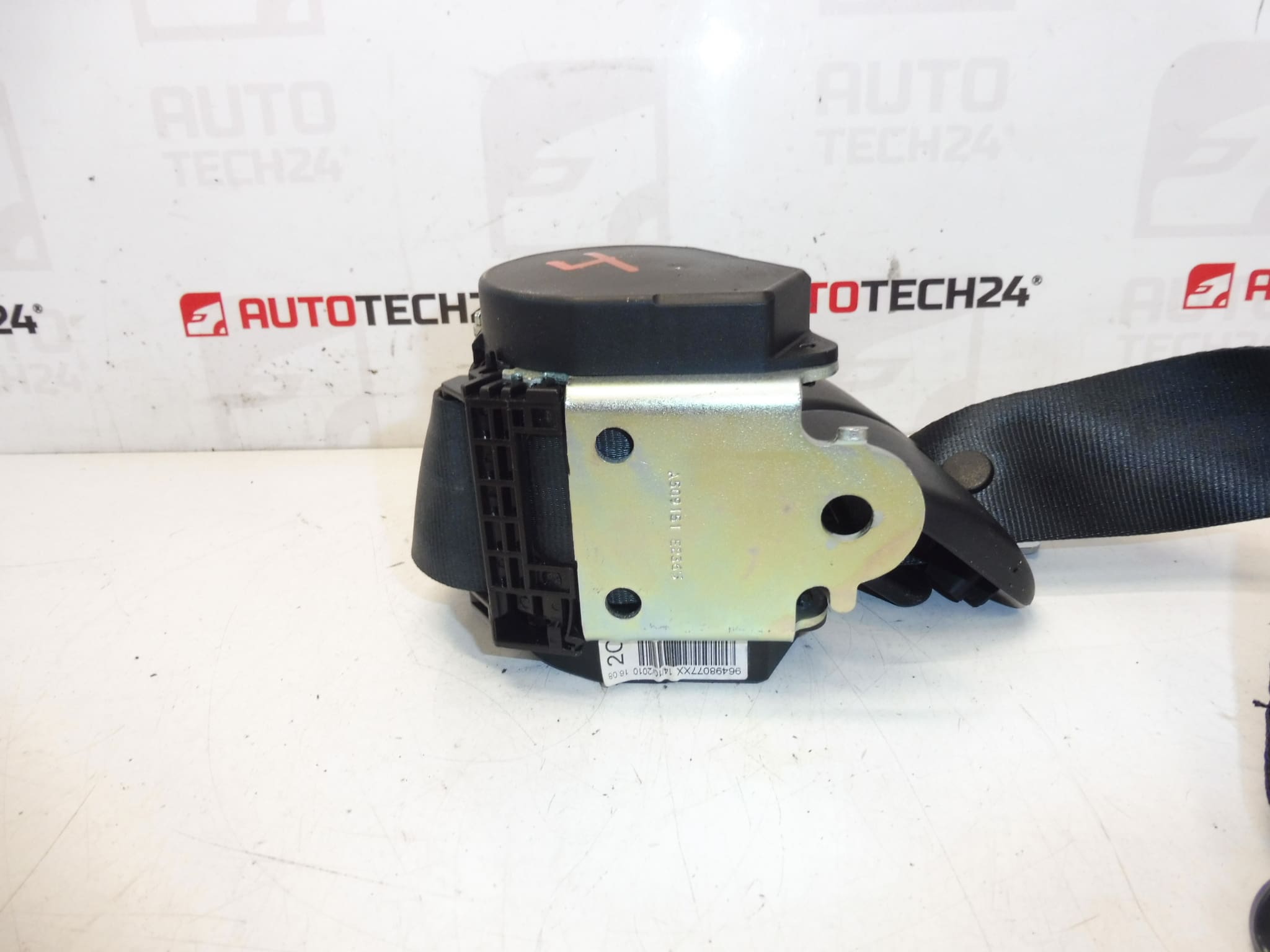
Holder of the seatbelt retractor
Color FXX – BLACK
Designed for professional workshops and DIY mechanics, this rear center seat belt assembly for the Peugeot 207 is a direct-fit safety component that restores proper restraint for the middle rear passenger. Frequently searched by OE references, this item appears under codes such as 96498077XX and 8974SY, making it easy to find when replacing a damaged or worn belt. The assembly includes the retractor bracket and mounting points required for secure installation in the rear center position.
Technical Information
- Manufacturer: Peugeot (Stellantis)
- Model: Peugeot 207
- Product Codes: 96498077XX, 8974SY
- Other Numbers: 8975Z8
- Color: FXX – Black
Function And Application
The rear center seat belt secures the middle rear passenger by locking the webbing during sudden deceleration or impact. The retractor mechanism automatically tensions and reels the belt during normal use and locks under inertial forces to restrain the occupant. The assembly supplied includes the retractor bracket and anchor interfaces needed for installation in Peugeot 207 rear seats.
Replacement Procedure (Overview)
- Park the vehicle on a flat surface, engage the parking brake and follow general workshop safety procedures.
- Remove interior trim panels to access the retractor and anchor bolts. Keep trim clips and fasteners for reassembly.
- Unbolt the seat belt anchor(s) and release the retractor mounting. Note the routing of the webbing to avoid twists on reinstallation.
- Fit the new assembly, ensure correct orientation of the retractor and webbing, and resecure all bolts to the manufacturer’s torque specifications.
- Reinstall trim and test belt operation: smooth extraction/retraction and secure latching of the buckle.
- If the vehicle is equipped with belt pretensioners or SRS components, follow the vehicle manufacturer’s safety instructions (battery disconnection/wait times) before starting work.
Installation Recommendations
Use appropriate tools and a torque wrench; tighten mounting bolts to the torque values specified in the Peugeot workshop manual. Replace any damaged fasteners or anchor bolts rather than reusing corroded hardware. After installation, perform a functional check: pull the belt sharply to confirm the retractor locks, and verify the buckle engages securely. If in doubt, have the final check performed by a professional technician.
Why This Part Most Commonly Fails
Common causes of failure include webbing wear or fraying from prolonged use, contamination (dirt or spillage) that impairs smooth retraction, corrosion of mounting points and bolts, and mechanical failure of the retractor mechanism. Belt assemblies should always be inspected after a traffic impact — even if there is no visible damage — because internal components can be compromised. Replace the belt if the webbing is cut, frayed, or if the retractor no longer locks reliably.
Fitment Notes
Intended for Peugeot 207 rear center position. Often found via OE-style searches using codes 96498077XX, 8974SY or related numbers such as 8975Z8. Verify the part number against vehicle documentation or parts catalogues when ordering to ensure correct fitment for the specific model variant.
Additional Tips
- Always store the belt assembly flat and avoid folding the webbing tightly to prevent creasing.
- Do not attempt repairs to the webbing or retractor; replace the complete assembly if damaged.
- After replacing seat belts, perform a road test at low speed to confirm normal operation and secure mounting.