Description
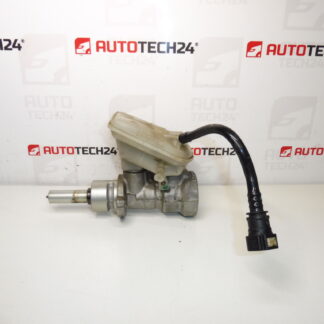
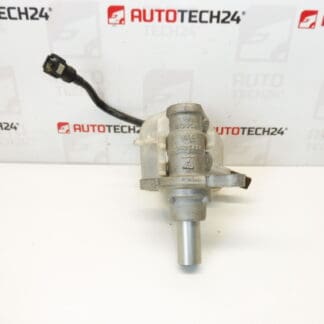
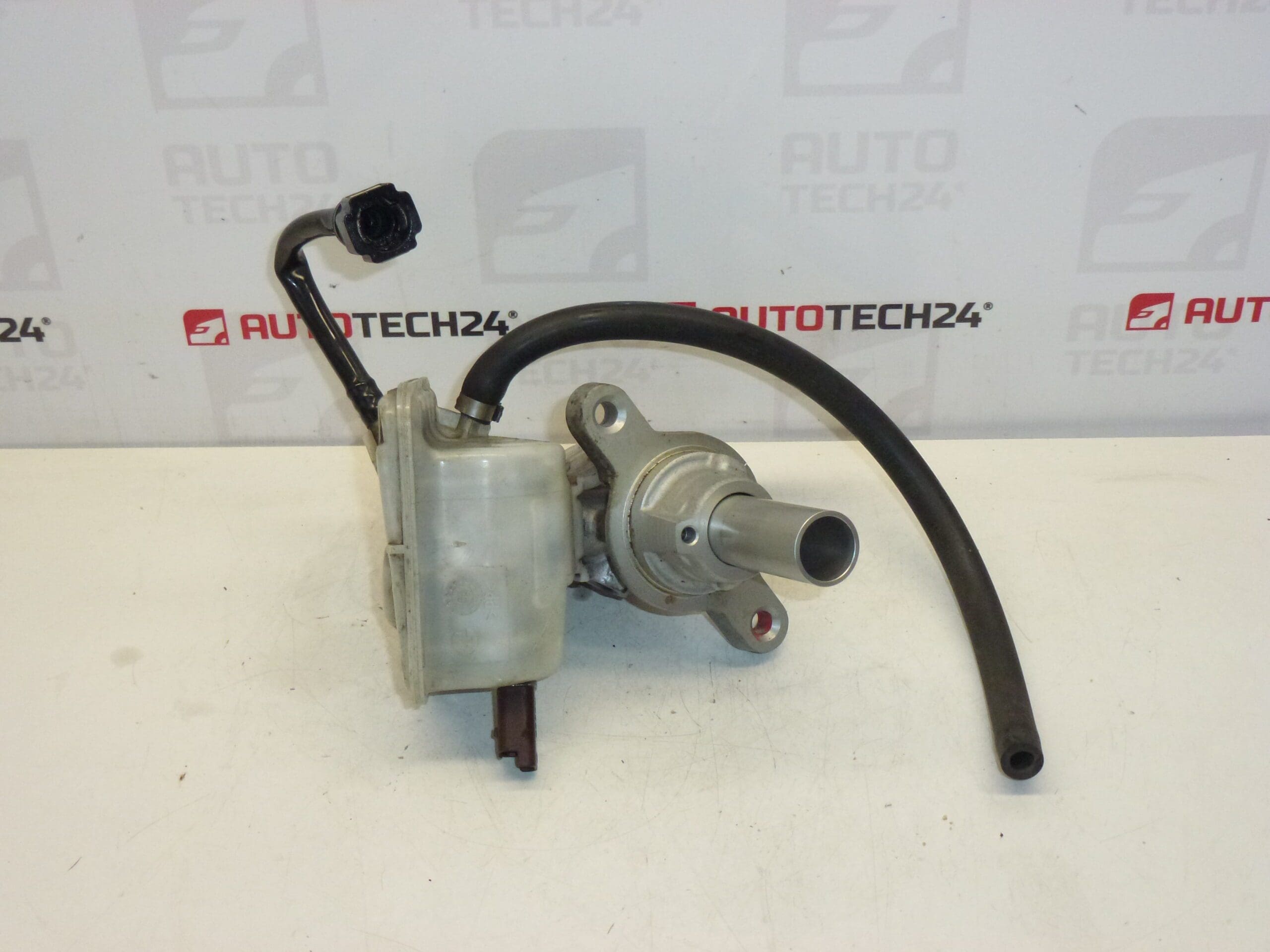
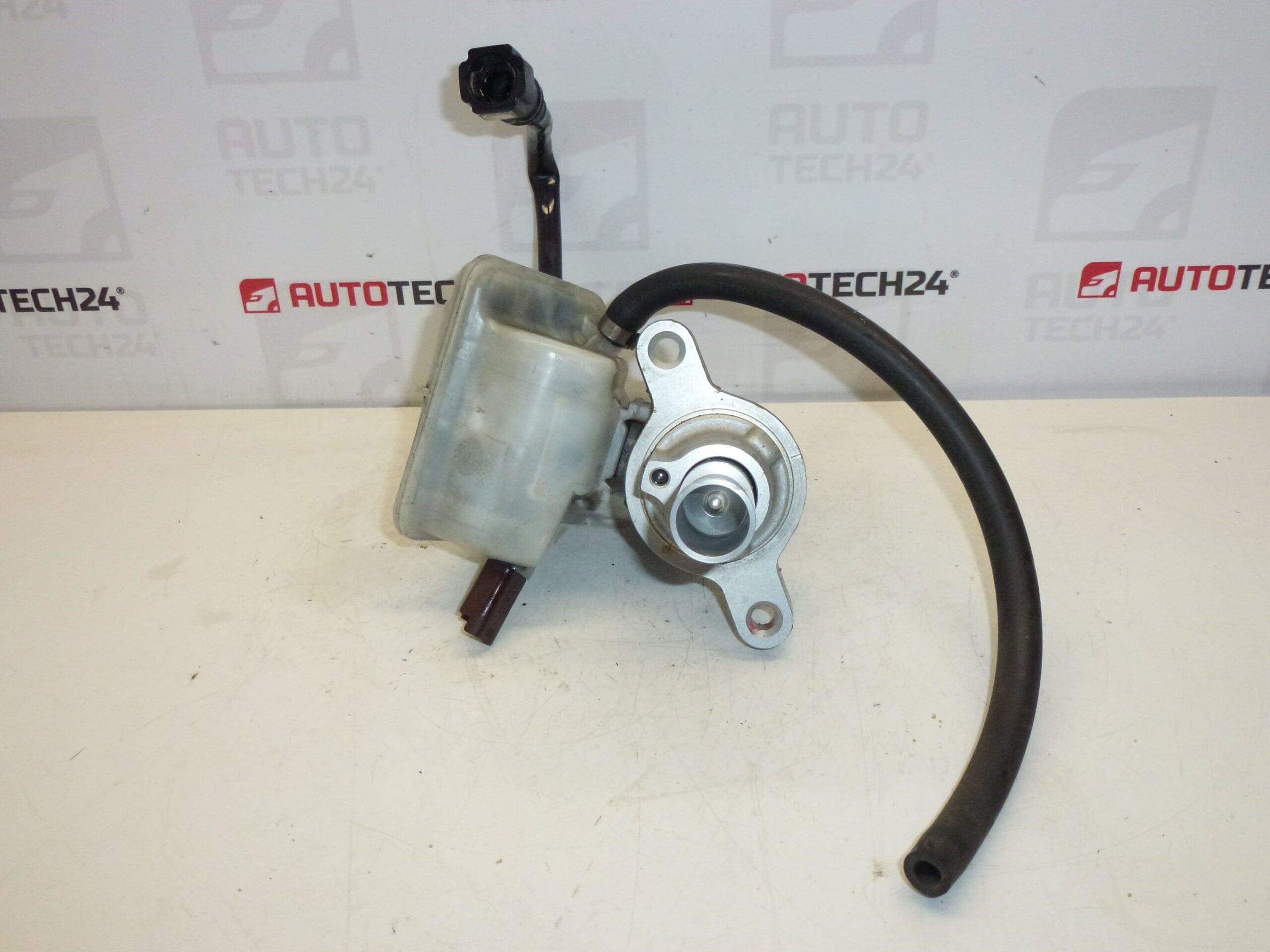
Main Brake Master Cylinder Bosch For Citroën C4 And Peugeot 307, 308
This Bosch main brake (master) cylinder is designed as a direct replacement for many Citroën C4 and Peugeot 307/308 applications. Ideal for professional workshops and experienced DIY mechanics, the unit restores firm pedal feel, eliminates internal leaks and supports safe braking performance. Frequently searched by part numbers such as 0204254242 and 4601V0, this component is suitable where Bosch quality and precise fitment are required.
Technical Information
- Manufacturer: Bosch
- Model: Citroën C4; Peugeot 307; Peugeot 308
- Product Codes: 0204254242; 4601V0
- Additional Numbers: 4601R1; 4601T2
Fitment And Application
Fits Citroën C4 and Peugeot 307/308 vehicles equipped with the corresponding master cylinder part numbers listed above. This unit replaces the original master cylinder assembly and interfaces with the brake booster, brake lines and fluid reservoir as per the vehicle configuration. Confirm compatibility by matching the product codes to the part you are replacing.
Function And Common Symptoms
The master cylinder converts pedal force into hydraulic pressure for the brake calipers and wheel cylinders. Typical failure symptoms include a spongy or sinking brake pedal, external fluid leaks around the cylinder, reduced braking efficiency or air ingress during bleeding. Early diagnosis prevents secondary damage to ABS components and brake calipers.
How To Replace
General replacement steps for experienced technicians:
- Raise and support the vehicle safely. Remove any components obstructing access to the master cylinder and reservoir.
- Before disconnecting lines, remove excess brake fluid from the reservoir. Cap or plug brake lines immediately after disconnection to reduce air ingress and contamination.
- Disconnect the brake lines and electrical connections (if equipped with fluid level sensor). Unbolt the master cylinder from the brake booster or mounting flange.
- Install the replacement unit, using new sealing washers/banjo bolts where required. Tighten fasteners to the manufacturer’s torque settings.
- Refill with manufacturer-specified brake fluid (commonly DOT4 in PSA vehicles) and perform a complete brake bleeding procedure, including ABS cycling if the vehicle is equipped with ABS.
- Check for leaks, verify firm pedal feel and test drive at low speed to confirm proper operation.
Installation Recommendations
- Use Clean Tools And Fluid: Brake fluid is hygroscopic and corrosive—avoid contamination and never reuse drained fluid.
- Replace Related Components As Needed: If the reservoir or brake lines are degraded, replace them to ensure long-term reliability.
- Bleeding Procedure: Perform a full system bleed, ideally with a pressure or vacuum bleeder, and follow the manufacturer’s bleed sequence. Cycle the ABS pump if necessary to remove trapped air.
- Torque And Seals: Use new sealing washers/banjo bolts and tighten to the vehicle manufacturer’s torque specifications to prevent leaks.
- Paint Protection: Brake fluid damages paint—protect bodywork and clean any spills immediately.
Most Common Cause Of Failure
Master cylinder failures are most often caused by internal seal wear, corrosion from moisture-contaminated brake fluid, and abrasive particles in degraded fluid. Neglected or infrequent brake fluid changes accelerate internal deterioration. External damage, improper installation or contaminated replacement parts can also lead to leaks and early failure.
Service Life
Service life varies with vehicle use and maintenance. Many master cylinders remain serviceable past 100,000 km, but lifespan shortens significantly with neglected brake fluid, frequent moisture ingress or heavy stop-and-go driving. Replace the unit at the first signs of pedal deterioration or visible leakage to maintain braking safety.