Description
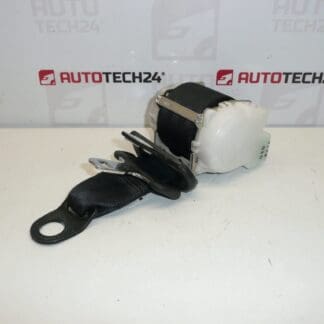
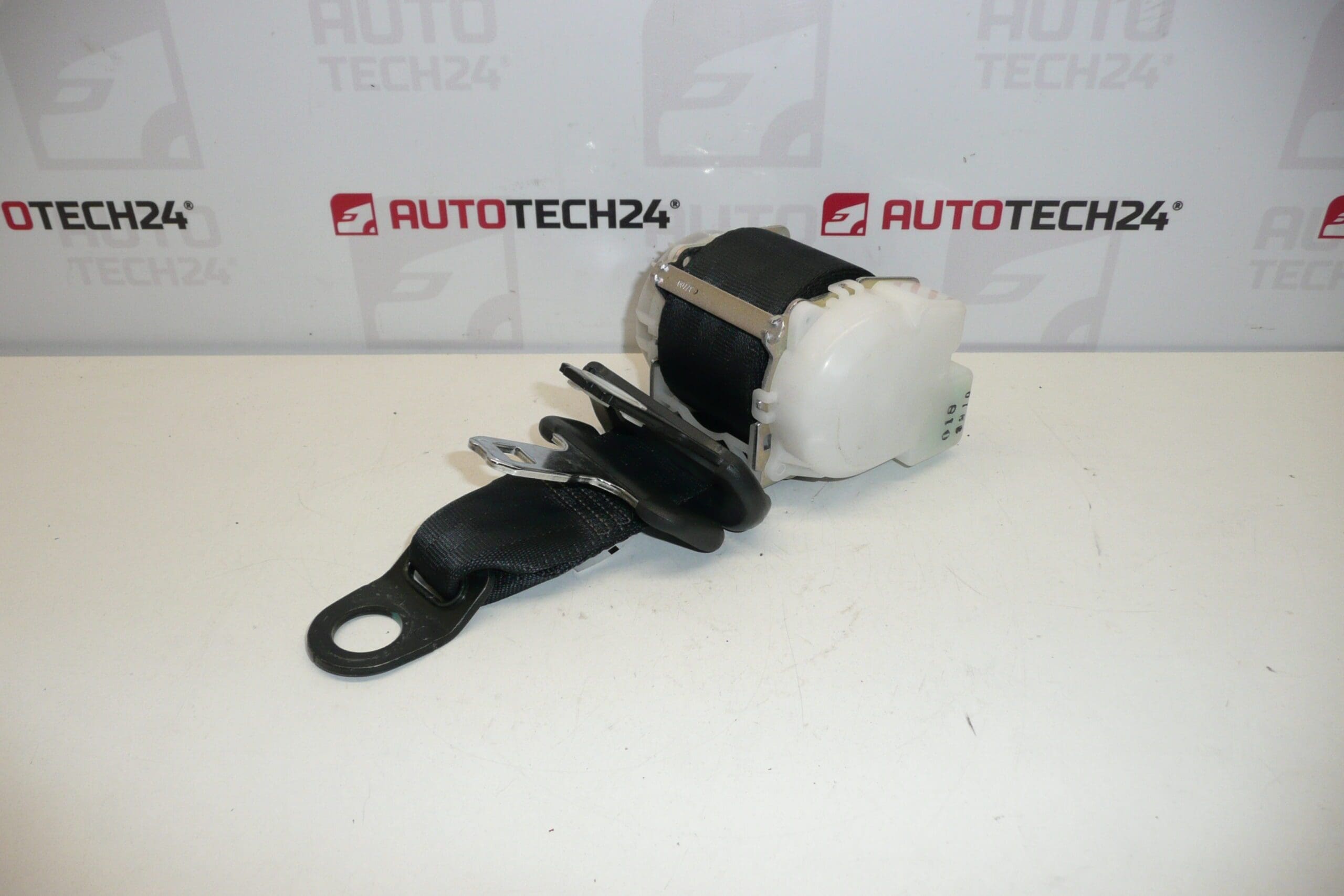
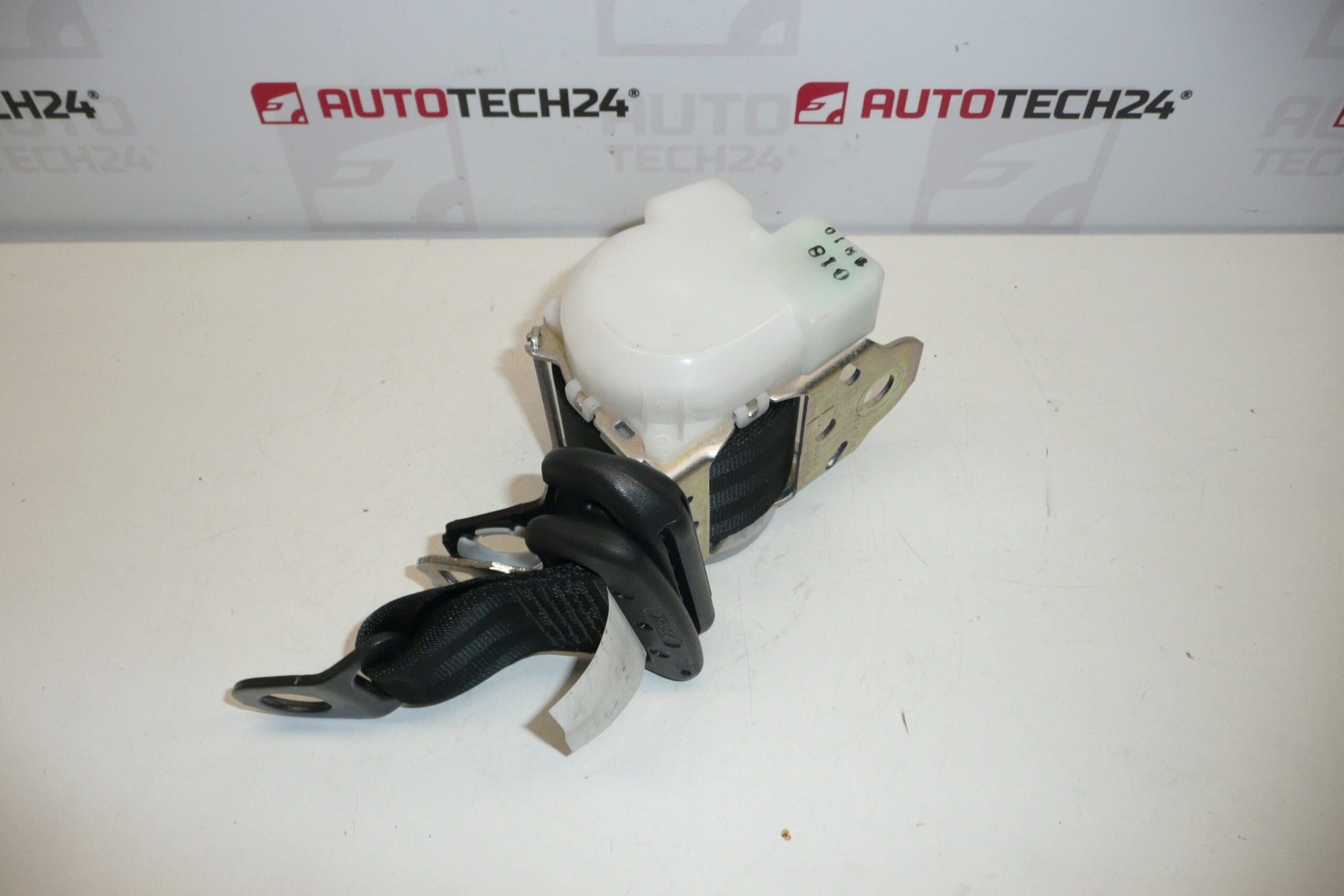
Left Rear Seat Belt For CITROËN C1, PEUGEOT 107 And TOYOTA AYGO
Color HZE – TRAMONTANE
Up To Year Of Manufacture 2014
This left rear 3‑point seat belt is intended for the outer rear seating position of the Citroën C1, Peugeot 107 and Toyota Aygo models produced up to 2014. It carries the common part references 8974LH, 16084061XZ and 7P2200, which are frequently used when searching for a direct replacement. The item is suitable for professional workshops and experienced DIY mechanics who require a correct-fit safety restraint that restores occupant protection after damage or wear.
Technical Information
- Manufacturer: Stellantis (Citroën / Peugeot)
- Model: Citroën C1 / Peugeot 107 / Toyota Aygo (Up To 2014)
- Product Codes: 8974LH; 16084061XZ; 7P2200
- Other Numbers: HZE (Color Code) – Tramontane
- Position: Left Rear Outer Seat (3‑Point Seat Belt)
Function And Description
The seat belt secures the occupant in the rear outer seating position, limiting forward movement and reducing the risk of injury in an impact. As a 3‑point restraint it distributes load across the pelvis and shoulder. The assembly typically includes the webbing, buckle, retractor mechanism and anchor points. Correct routing and anchorage are essential for the belt to perform as designed.
Fitment And Replacement
Replacement is straightforward for a trained technician: remove the relevant interior trim panels to access the retractor and lower anchor, unbolt the anchor points and the retractor unit, transfer any necessary trim or guides, and install the new belt in the reverse order. Ensure the webbing is routed without twists and that the buckle engages securely. Final torque the mounting bolts to the vehicle manufacturer’s specification and perform a functional check of free movement and locking under a sharp pull.
Installation Recommendation
- Always follow the vehicle manufacturer’s removal and installation procedures and specified torque values.
- Disconnect the battery where required by the manufacturer’s safety instructions before working near pyrotechnic devices or airbag systems.
- Inspect mounting points, bolts and surrounding structure for corrosion or deformation and replace bolts if they were stressed or damaged in a previous impact.
- After installation, check belt retraction, webbing condition and buckle function. Make sure the belt locks under sudden pulls and that the webbing shows no fraying or cuts.
- Installation is recommended to be performed by a qualified technician if you are not experienced with seat belt systems.
Why The Part Most Commonly Fails
- Wear And Tear: Repeated use leads to webbing abrasion, fraying and weakened stitching.
- Contamination: Dirt, liquids and chemical contaminants can degrade webbing and mechanisms.
- Corrosion: Anchor bolts and retractor components can corrode, especially in regions with road salt.
- Post‑Collision Activation Or Damage: Pretensioners or the belt assembly can be damaged in a crash and must be replaced to restore full safety.
- Mechanism Jam Or Locking Failure: Retractor mechanisms may seize or fail to lock if internal components are worn or contaminated.
Parts sold under the listed product codes are commonly sought by mechanics and independent owners performing repairs. Using the correct part number (e.g. 8974LH / 16084061XZ / 7P2200) in searches increases the likelihood of finding a direct fit replacement for Citroën C1, Peugeot 107 and Toyota Aygo vehicles.