Description
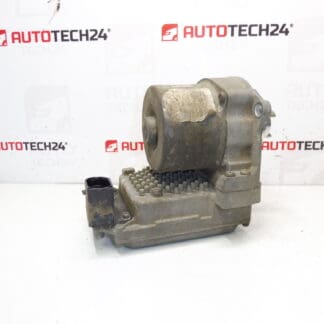
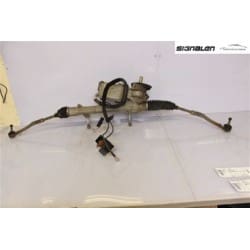
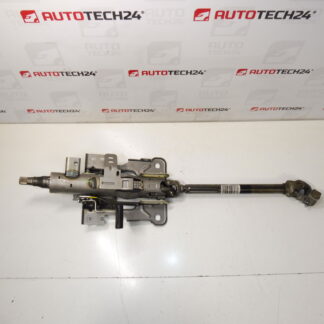
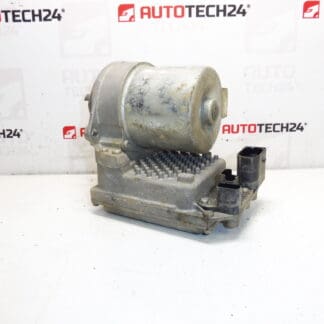
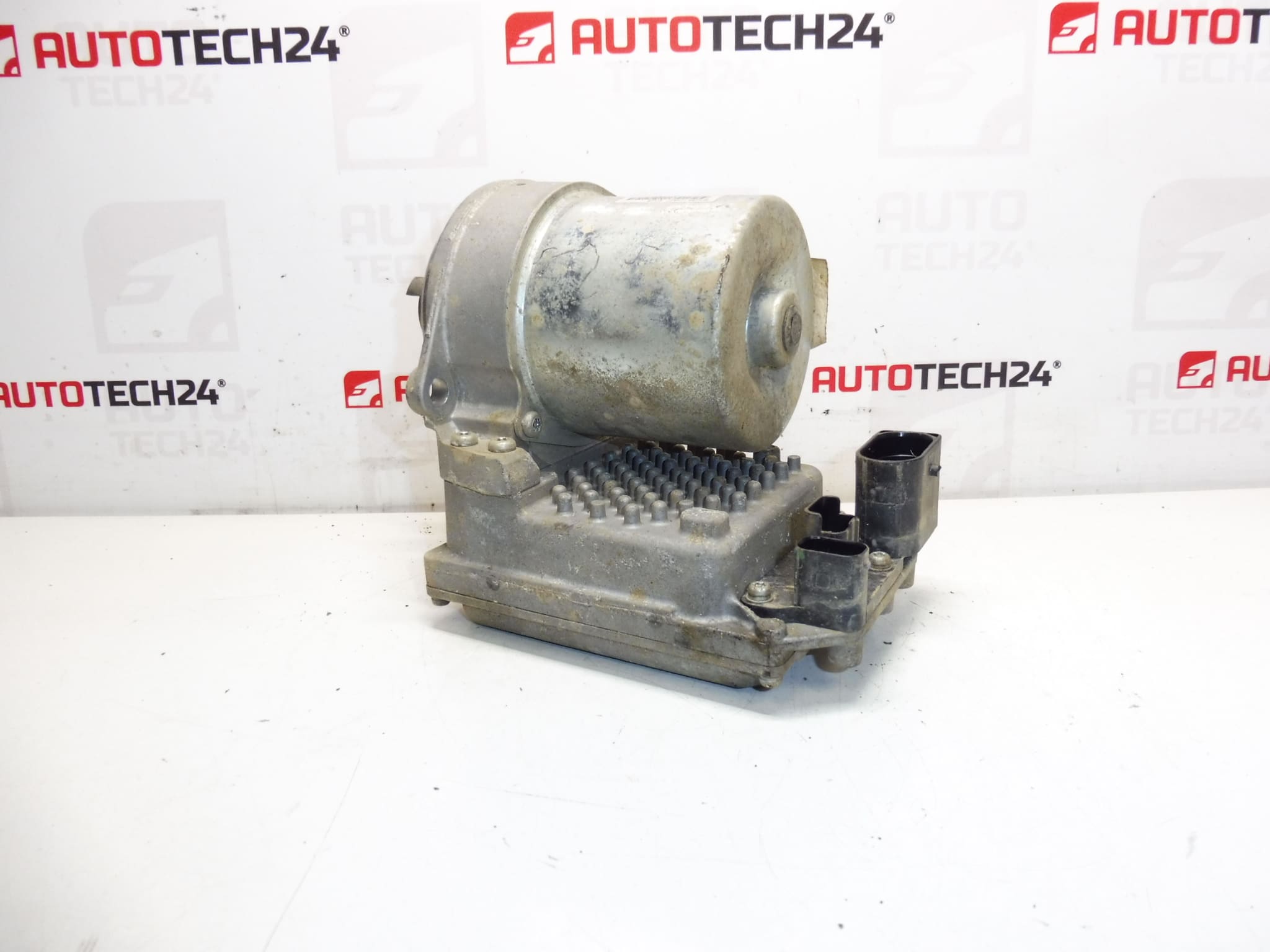
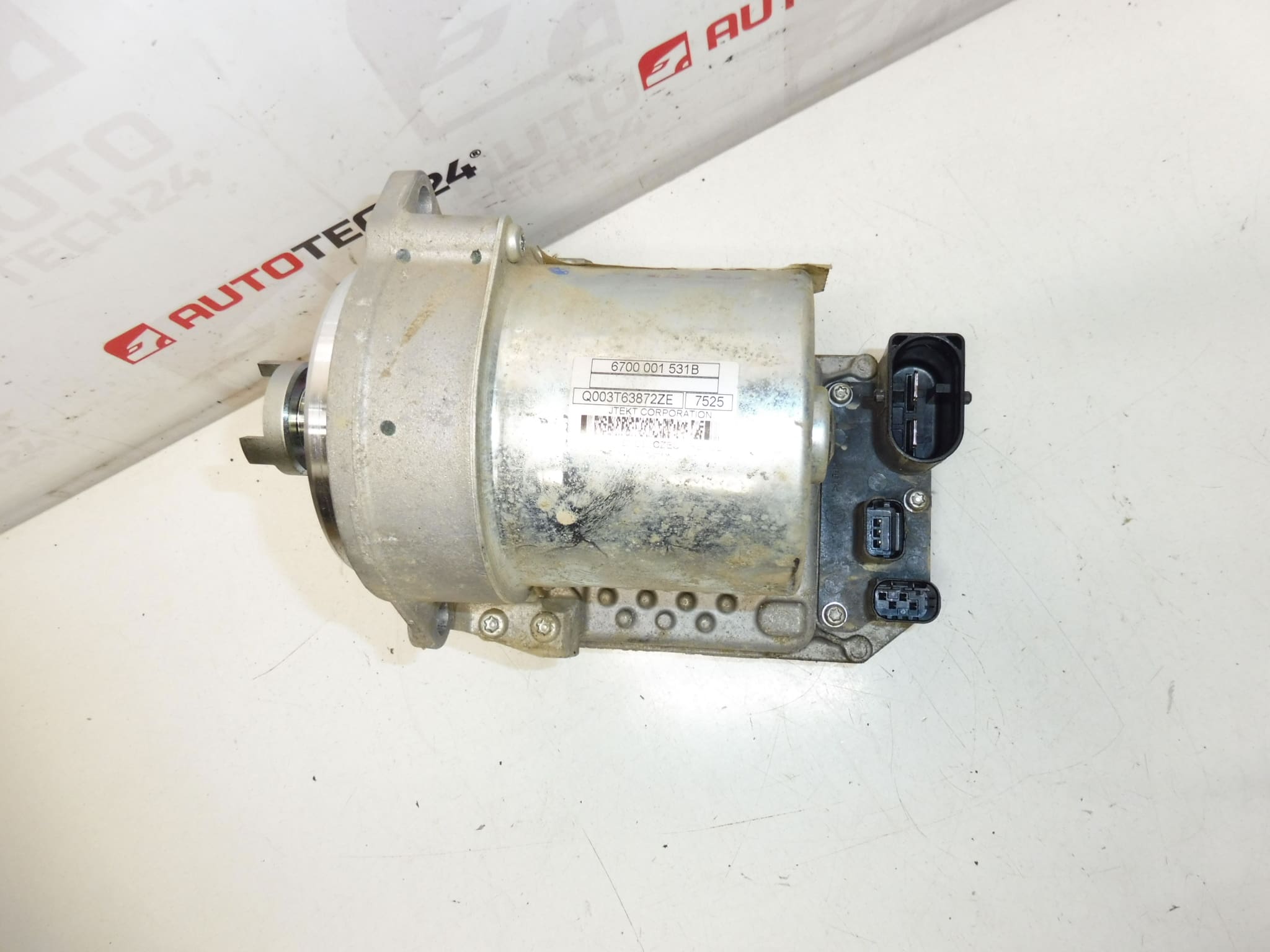
CITROEN C3 II, C3 PICASSO and PEUGEOT 207 electric steering motor
From a car with 46,000 km
Part description
We offer electric steering motor for Citroën and Peugeot cars, designed for electric power steering. This is a used genuine part that is often searched by serial number – an ideal choice if you are dealing with a faulty booster and need a quick and affordable replacement without compromising on part number compatibility.
Thanks to the mentioned run-in from the donor car, it can be suitable as a spare part in the event of symptoms such as failure of the steering assistance, irregular help of the booster or problems with the electrical part of the steering (while maintaining the same codes).
Technical information
- Manufacturer: Stellantis
- Model: Citroën C3 II; Citroën C3 Picasso; Peugeot 207
- Other numbers: 6700001531B, 400137
Product codes
- Product codes: 9684474880
Installation recommendations
Generally/typically, replacing the electric steering motor requires careful comparison of the part according to the label and compliance with safety principles when working with electrical connectors. The exact procedure may vary depending on the specific car design and steering system.
1) Before assembly
- Compare all numbers on the part with the old part (especially 9684474880 and other numbers listed).
- Check the condition of connectors, connector fuses and cable harnesses in the vicinity (damage, oxidation, loose pins).
- Visually check whether the electric motor has cracks, deformations, traces of overheating or water damage.
- If the original problem was caused by an electrical fault, consider checking the power/grounding and the condition of the connectors to prevent the fault from recurring.
2) Necessary tools and materials
- Basic set of hand tools (ratchet, extensions, wrenches as needed)
- Screwdrivers, or torx/hex according to design
- Cleaning agent for electrical contacts
- Protective gloves, workplace lighting
- Diagnostics (recommended) to check function after assembly
3) Step-by-step assembly procedure
- Secure the vehicle against movement and prepare access to the part (depending on the vehicle model).
- Turn off the ignition and safely disconnect the battery.
- Document the condition and routing of the connectors (a photo before disassembly will help with reassembly).
- Disconnect the electrical connectors of the electric steering motor – proceed carefully, do not pull on the cables.
- Unfasten the electric motor according to the design of the given control and dismantle the part.
- Compare the removed and the new part: mounting, connectors, orientation and number labels.
- Clean the seating surfaces and check that there is nothing preventing proper seating.
- Install the electric motor in place and fit the fasteners.
- Plug the connectors back in and verify proper snapping and locking.
- Reconnect the battery.
- Turn on the ignition and check that the system responds as standard (without non-standard sounds and assist failures).
- If you have diagnostics, perform a control system check and basic functional verification.
-
4) Post-assembly checks and test drive/function verification
- On the spot, smoothly turn the steering wheel several times in both directions and monitor the evenness of the assistance.
- Verify that there are no booster dropouts and unusual noises.
- During a short test drive, observe the behavior of the steering at low and high speed (as safely as possible).
5) The most common assembly mistakes + how to avoid them
- Exchanging a part with a different code – always check the numbers on the label, don’t just go by the name.
- Damage to connectors/pins – disconnect and connect connectors with unlocking, without prying with force.
- Skip wiring check – the fault may be in the power supply/grounding, not the motor itself.
- Insufficient seating – poor seating can lead to vibration, noise or repeated failure.
Reasons why the part is damaged
- Moisture and oxidation of connectors (deteriorated contact, booster failures).
- Overload of the steering system (e.g. long-term stress, increased resistance in the mechanical part of the steering).
- Voltage fluctuations in the on-board network (weak battery, charging problems, bad grounding).
- Damaged wiring or loose/damaged pins in connectors.
- Aging of components and thermal stress during operation.