
Description
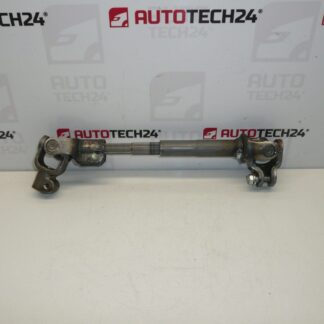
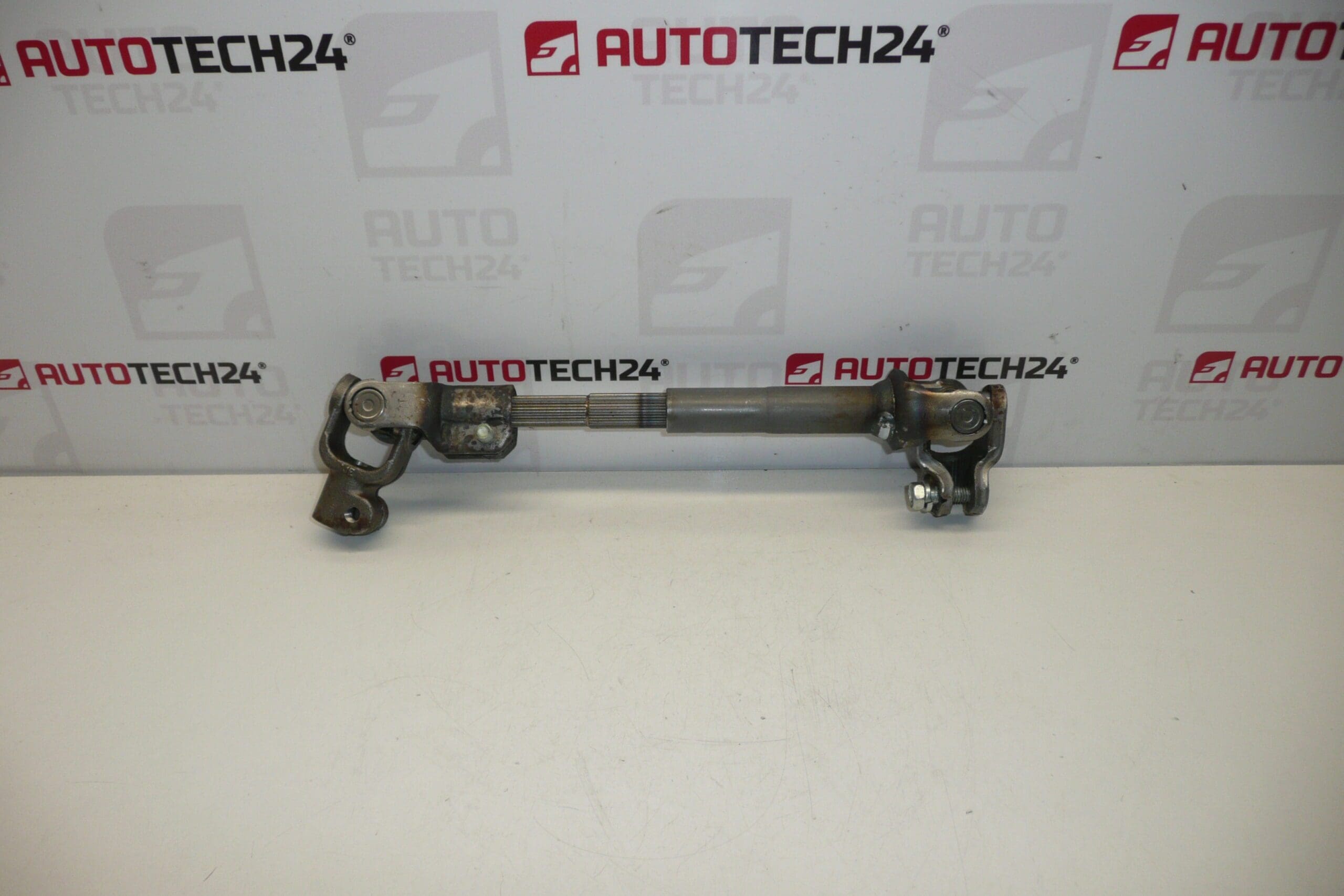
Shaft with joints for steering column for Citroën C1 and Peugeot 107 up to model year 2014. Tested, solid.
Product Overview
This intermediate steering column shaft with universal joints is designed to replace the worn or damaged coupling between the steering column and steering rack on Citroën C1 and Peugeot 107 models. It transmits driver input from the steering wheel to the steering rack while accommodating angle changes and absorbing small vibrations. The robust construction ensures reliable steering feel and reduces play and vibration felt at the wheel.
Key Benefits
- Direct fit for specified Citroën and Peugeot applications (part number referenced).
- Restores precise steering response and removes play or clunking in the steering column.
- Durable joints designed to resist typical road contaminants and wear.
- Suitable for both professional workshops and experienced DIY mechanics.
Technical Information
- Manufacturer: Stellantis / Citroën / Peugeot
- Model: Citroën C1, Peugeot 107 (up to 2014)
- Product Codes: 4103J7
- Additional Numbers: —
Fitment And Application
Intended as a replacement intermediate shaft for Citroën C1 and Peugeot 107 models through 2014. Fits vehicles that use the same column-to-rack coupling geometry and part number 4103J7. Commonly searched by mechanics using the part number or vehicle model.
Installation Recommendations
- Disconnect the battery before starting work to avoid electrical faults or airbag deployment.
- Lock the steering wheel in a straight-ahead position and mark the relative alignment of the shaft splines to ensure correct reassembly.
- Remove lower steering column covers and any trim obstructing access to the shaft coupling.
- Unfasten the retaining bolts/nuts on both universal joints, then withdraw the old shaft. Inspect surrounding splines and seals for damage.
- Install the replacement shaft in the same orientation as removed, align the pre-marked splines, and tighten fasteners to the manufacturer’s torque specifications.
- Check free play, steering lock function, and perform a test drive to confirm normal operation. If necessary, have wheel alignment checked after installation.
Common Failure Causes
The intermediate shaft and its universal joints typically show symptoms due to wear, corrosion or loss of lubrication. Typical causes include long-term mechanical wear from mileage, water ingress causing corrosion, and impact damage from road debris or collisions. Symptoms include steering play, clunking noises when turning, vibration transmitted to the steering wheel, or rough steering feel.
Why Replace
Replacing a worn shaft restores steering precision and safety. A faulty shaft can compromise steering control and produce distracting noise or vibration. For workshop efficiency, having the correct part number (4103J7) on hand reduces vehicle downtime and avoids repeated removals.
Notes For Professionals And DIY Mechanics
This part is supplied to match original fitment for the listed models. Always follow the vehicle manufacturer’s repair procedures and torque values. If uncertain about safe removal or reinstallation, consult technical repair documentation or a qualified technician.