Description
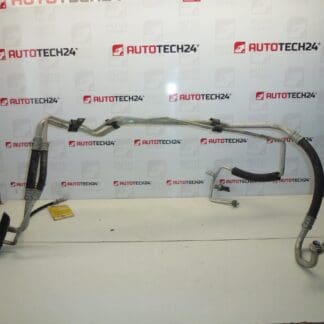
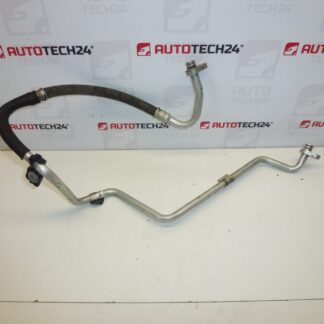
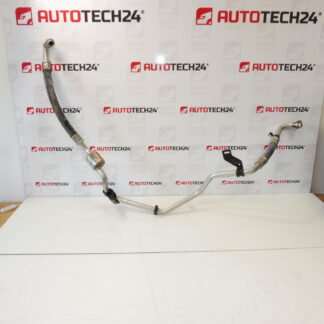
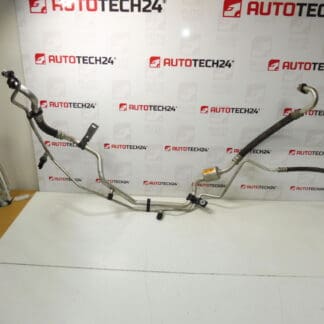
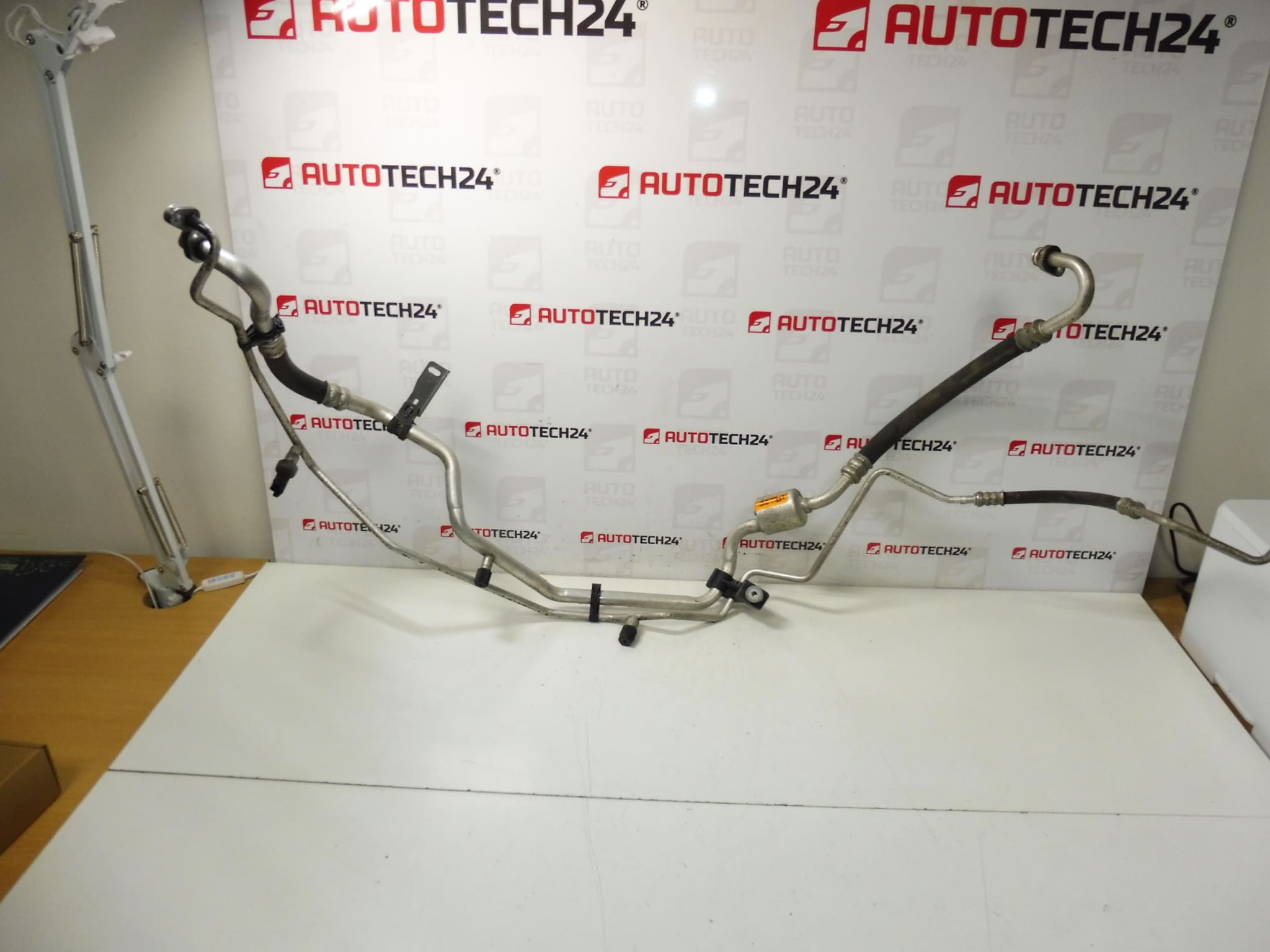
Air conditioning pipe for Peugeot 207 and Citroën C3 Picasso
Overview
This air conditioning pipe is designed for use on Peugeot 207 and Citroën C3 Picasso models and replaces the original refrigerant line in the vehicle’s HVAC system. It is a direct-fit component intended for professional workshops and experienced DIY mechanics who service vehicle A/C systems. The part is commonly searched by OE and aftermarket numbers (see Technical Information below), which makes it easy to find by code when ordering or checking parts lists.
Features And Function
The pipe transports refrigerant between A/C system components (compressor, condenser, expansion valve/evaporator and receiver/drier or accumulator). Its role is to maintain a sealed, leak-free path for the refrigerant and lubricant while withstanding system pressure and temperature cycles. A properly fitted pipe ensures efficient cooling performance and prevents refrigerant loss and moisture ingress.
Technical Information
- Manufacturer: Stellantis / Citroën / Peugeot
- Model: Peugeot 207, Citroën C3 Picasso
- Product Codes: 9671596080, 9800886980, 6477J1
- Additional Numbers: 9655448980, 647705
Installation Recommendation
Replacement of an A/C refrigerant pipe should be carried out by a qualified technician or a competent DIY mechanic familiar with refrigerant handling and relevant safety regulations. Key steps and recommendations:
- Recover Refrigerant Safely: Always recover refrigerant with an approved recovery/recharge station before opening the system. Never vent refrigerant to atmosphere.
- Protect The System: Clean connection points and cap open lines to avoid contamination. If contamination or oil degradation is suspected, flush the circuit or replace affected components (receiver/drier, accumulator, expansion valve) as required.
- Replace O-Rings: Fit new, correctly sized O-rings at all connections and lubricate with the correct type and amount of PAG oil or lubricant specified for the system.
- Torque And Fitment: Tighten fittings to manufacturer torque values where specified and ensure correct routing to avoid chafing against bodywork or moving parts.
- Evacuation And Leak Test: After installation, evacuate the system to the recommended vacuum level, perform a leak test, and then recharge with the correct refrigerant type and charge weight.
How The Part Is Replaced (Summary)
Typical replacement sequence: recover refrigerant → remove clamps/fasteners → disconnect old pipe → inspect and replace seals/O-rings → fit new pipe and secure → vacuum system → leak test → recharge and test A/C performance. Ensure all work complies with local regulations regarding refrigerant handling.
Why The Part Fails Most Often
Common causes of failure include:
- Corrosion and Rust: Exposure to road salt and moisture can corrode metal lines and fittings, leading to leaks.
- Mechanical Damage: Impacts from road debris, improper previous repairs, or chafing against nearby components can puncture or crack the pipe.
- Ageing Seals: O-Rings and connection seals harden or degrade over time, causing slow leaks at joints.
- System Contamination: Particulate contamination or moisture in the refrigerant can accelerate deterioration and clog components.
Practical Tips For Mechanics And DIYers
- Order By Code: Customers and workshops frequently search using OE codes (listed above) — include these numbers when ordering to ensure correct fit.
- Inspect Related Parts: When replacing the pipe, check the condenser, compressor, and receiver/drier for signs of contamination or damage; replace the receiver/drier if system has been open to atmosphere.
- Use Proper Tools: Use certified recovery/recharge equipment and appropriate fittings; incorrect procedures can damage the system or create safety risks.
Compatibility Note
This part is intended for Peugeot 207 and Citroën C3 Picasso models as indicated. Verify the part numbers listed match your vehicle’s parts list or service documentation before installation.