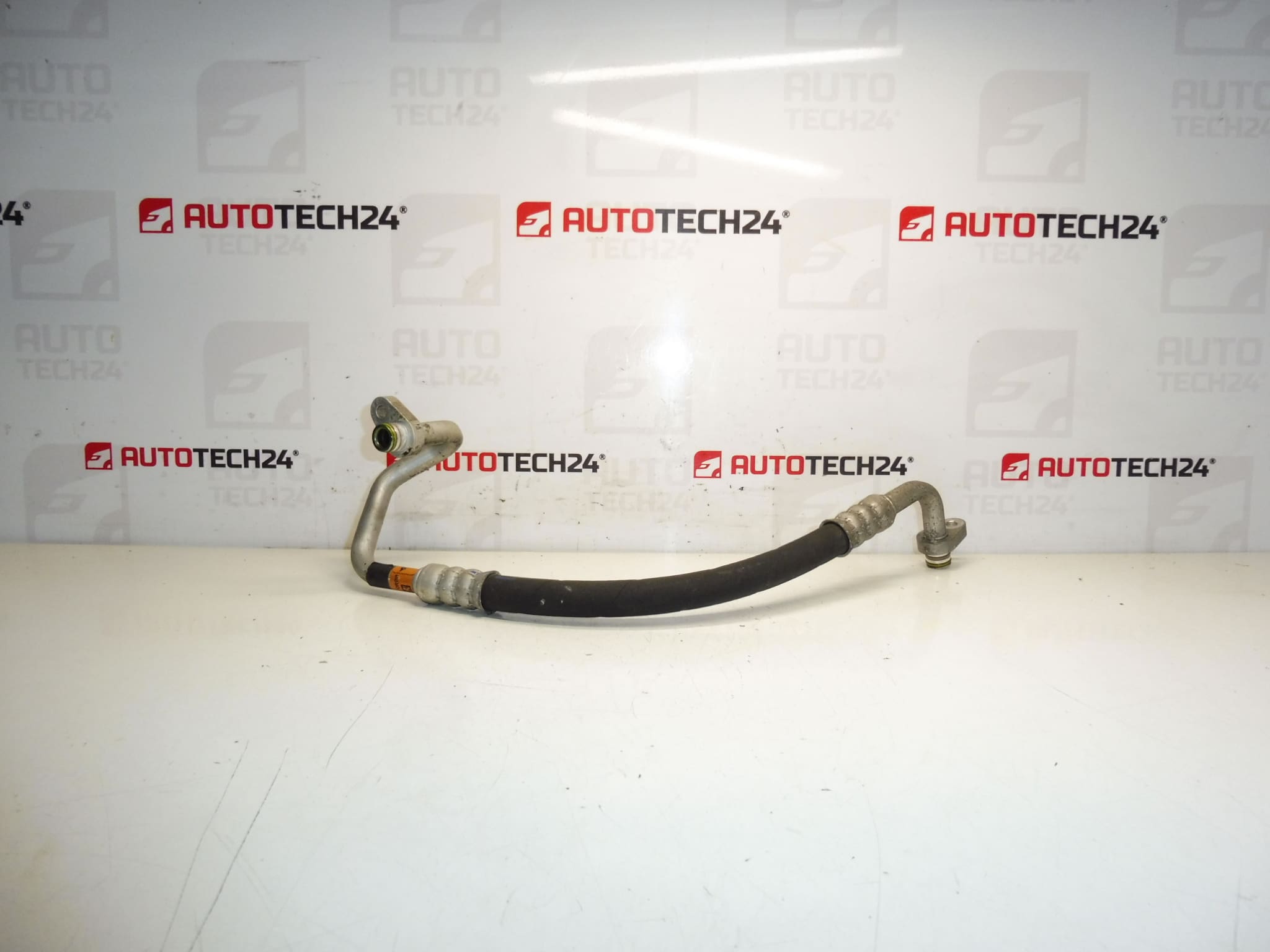
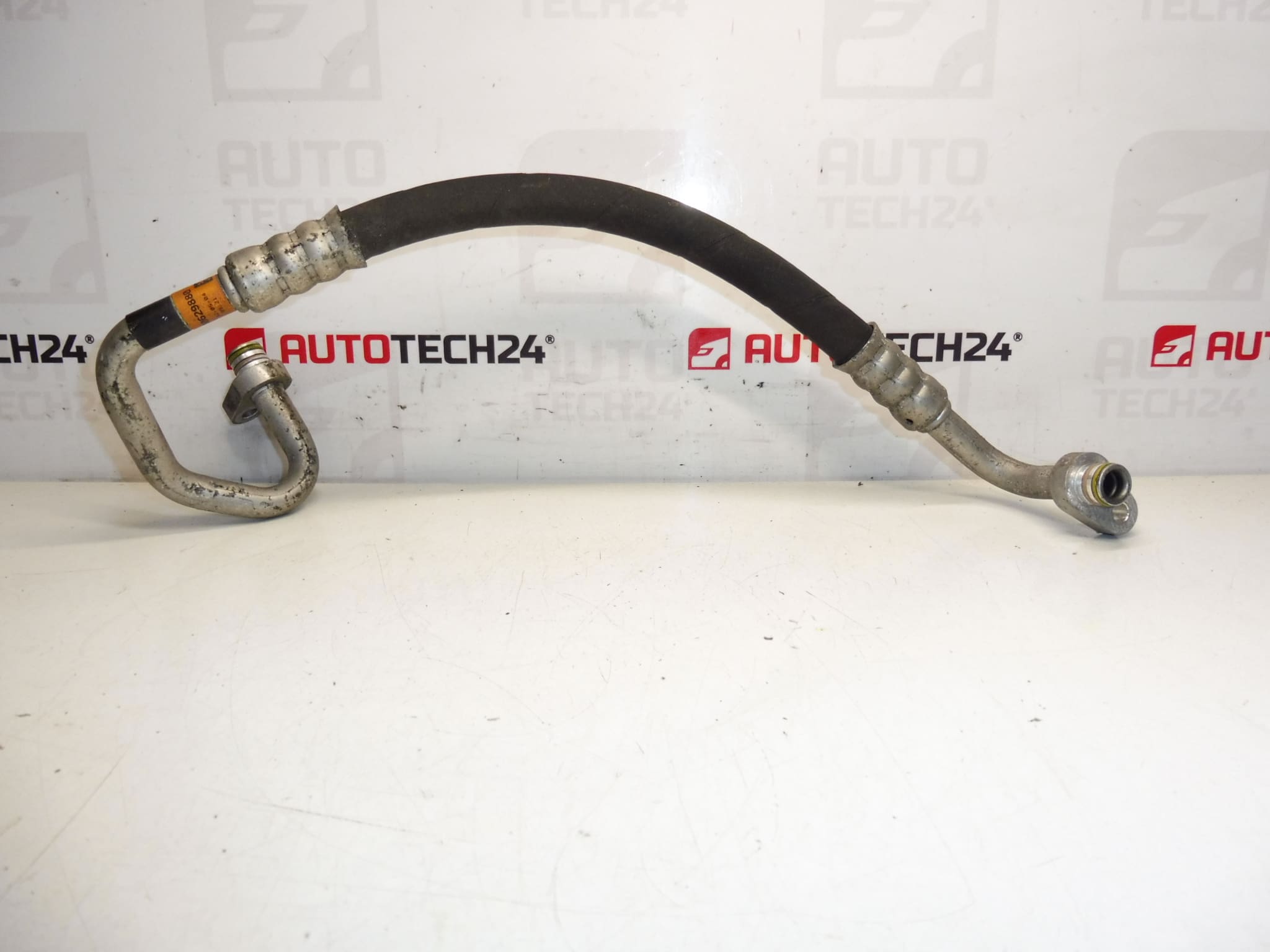
Description
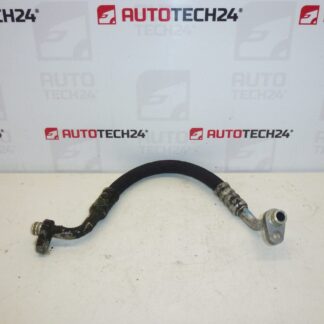
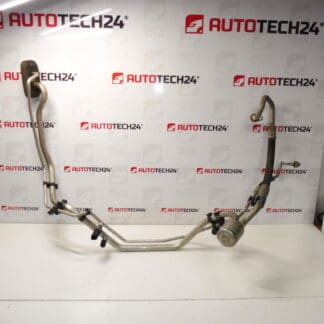
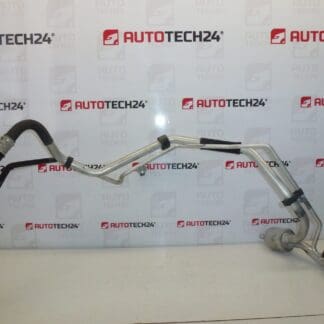
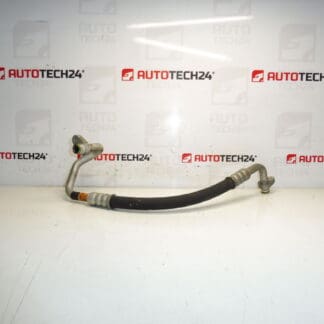
Air conditioning pipe for Citroën C4 and Peugeot 307 vehicles with 2.0i engine.
This air conditioning pipe is a direct-fit replacement designed for Citroën C4 and Peugeot 307 models equipped with the 2.0i petrol engine. It restores the sealed refrigerant circuit between AC components, ensuring efficient cooling and reliable operation. Ideal for professional workshops and experienced DIY mechanics who need a precise, OEM-compatible line identified by common part references.
Technical Information
- Manufacturer: Stellantis / Citroën / Peugeot
- Model: Citroën C4, Peugeot 307 (2.0i)
- Product Codes: 9650629880, 6460NC, NFP
- Additional Numbers: NFP
Compatibility And Fitment
Intended for vehicles where the original equipment part matches the above codes. This pipe is commonly used on mid-2000s Citroën C4 and Peugeot 307 with the 2.0i engine layout. Always compare the part number and physical routing to the original component before installation.
Function And Benefits
The pipe carries refrigerant under pressure between AC components (compressor, condenser, evaporator, and receiver/drier). A properly sealed and routed line maintains system pressure, prevents refrigerant loss, and preserves cooling performance. Replacing a leaking or damaged pipe restores system integrity, reduces moisture ingress and contamination, and prolongs compressor life.
Installation Recommendations
- Recover refrigerant using appropriate recovery equipment before removal. Do not vent refrigerant to the atmosphere.
- Inspect mating fittings and replace O-rings and seals. Lubricate new O-rings with the correct system oil to ensure sealing.
- Check pipe routing and secure clips to avoid chafing against engine or bodywork. Replace any damaged clamps.
- After fitting, perform a vacuum and pressure test to confirm leak-free operation, then recharge the system to manufacturer specifications.
- Use certified tools and follow local regulations when handling refrigerants.
Why This Part Fails Most Often
AC pipes commonly fail due to mechanical damage, corrosion from road salt or moisture, vibration-induced fatigue at bends and joints, and degradation of sealing O-rings. Leaks often appear at connection points where clamps or fittings have loosened, or where the pipe has been abraded by contact with other components. Early symptoms include reduced cooling performance, hissing noises, or oily residue around joints.
For reliable repair, replace worn seals and inspect adjoining components (compressor, condenser, hoses). Proper routing and secure mounting during installation greatly reduce the risk of premature failure.
Keywords: Air Conditioning Pipe, AC Pipe, Citroën C4 AC Line, Peugeot 307 AC Pipe, Part Number 9650629880, 6460NC — suitable for professional mechanics and skilled DIYers searching by part code or vehicle application.