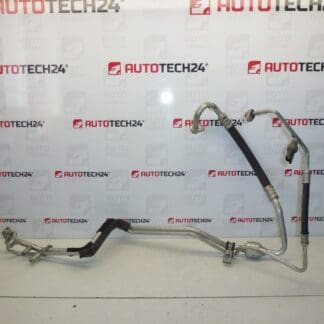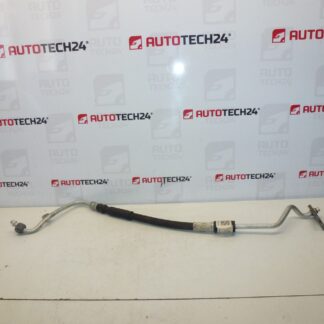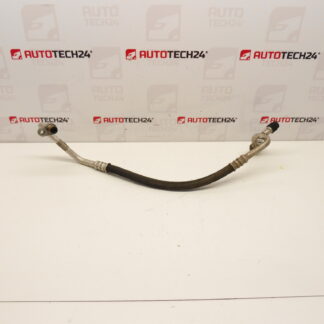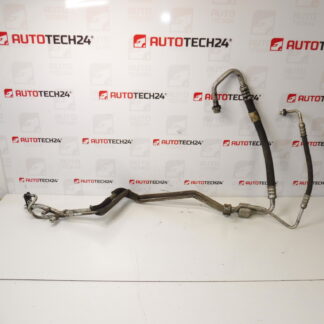
Description
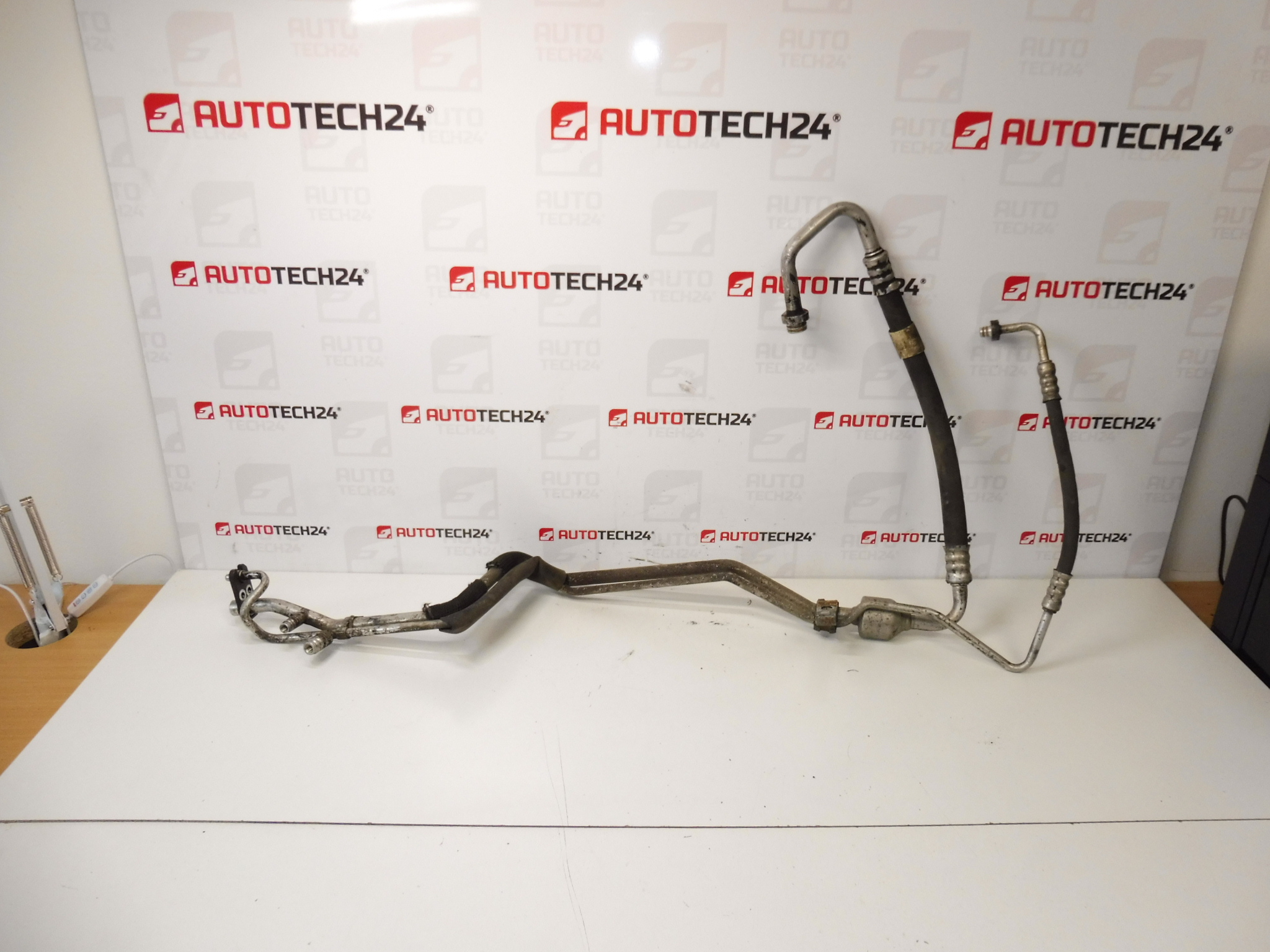
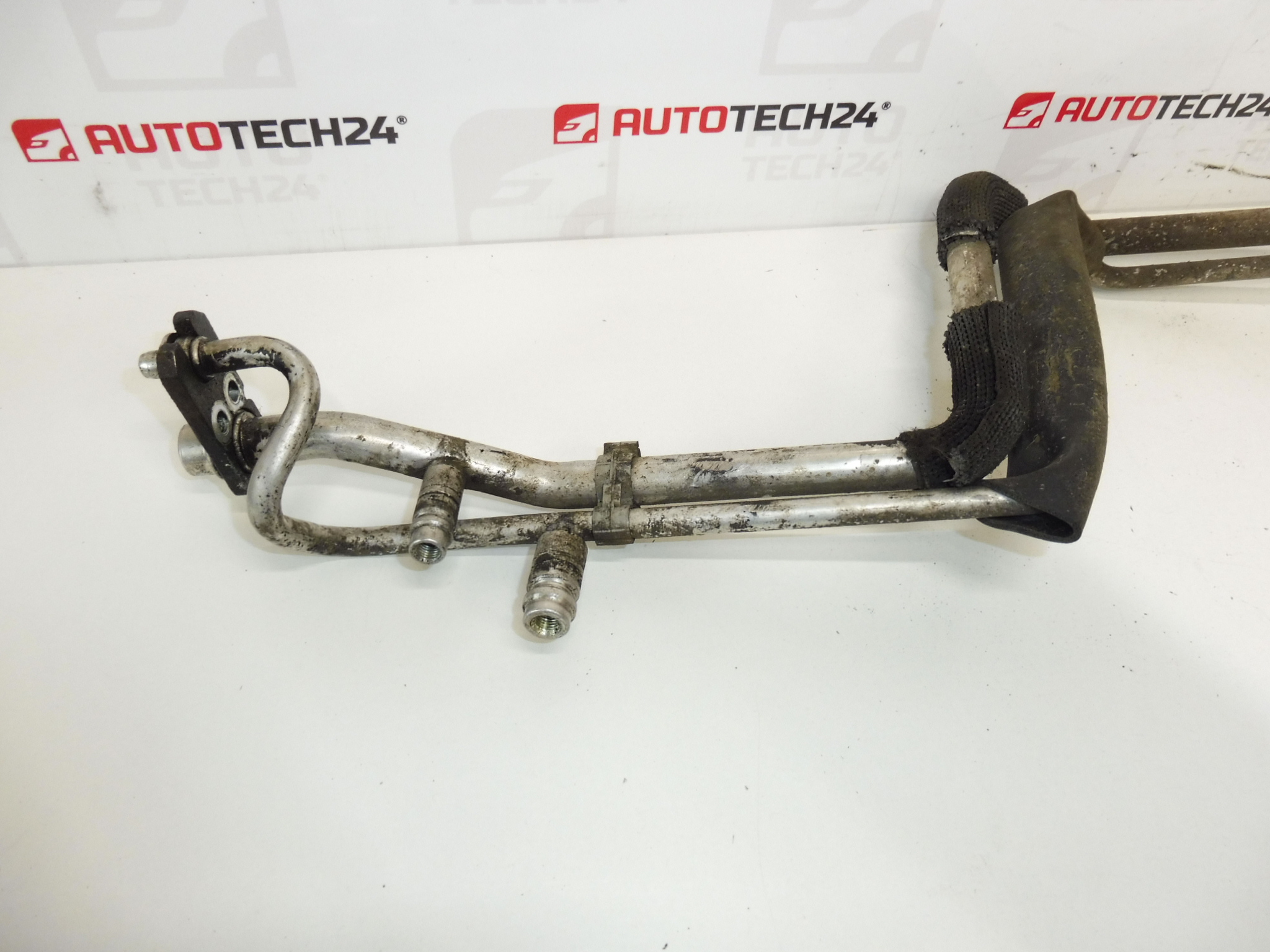
Air Conditioning Pipe for Citroën Berlingo II and Peugeot Partner II
High-quality replacement air conditioning pipe designed for Citroën Berlingo II and Peugeot Partner II vehicles. This AC line (product code 6460CY) carries refrigerant between system components and restores airtight connections to ensure efficient cooling. Suitable for professional workshops and experienced DIY mechanics seeking a direct-fit solution to eliminate leaks, reduce noise and recover full air conditioning performance.
Technical Information
- Manufacturer: Stellantis (Citroën / Peugeot)
- Model: Citroën Berlingo II; Peugeot Partner II
- Product Codes: 6460CY
- Other Numbers: Not Specified
Function And Application
This pipe is an integral part of the vehicle air conditioning circuit, transporting refrigerant under pressure between the compressor, condenser, receiver/drier (or accumulator) and evaporator. It is engineered to match the original routing and fittings for the listed models and is frequently searched for by the product code 6460CY when identifying replacement parts.
Installation Recommendation
Recover Refrigerant With Certified Equipment Before Beginning Work. Replace All O-Rings And Seals With New Ones Of The Correct Size And Lubricate Them With Manufacturer-Specified Refrigerant Oil. Fit The New Pipe In The Original Routing, Secure All Clips And Fasteners, And Tighten Connections To Manufacturer Torque Specifications. Evacuate The System To The Required Vacuum, Recharge With The Specified Refrigerant And Oil Quantity, Then Perform A Leak Test And Operational Check. Consider Replacing The Receiver/Drier Or Accumulator When The System Has Been Opened. Always Wear Appropriate Personal Protective Equipment And Follow Local Regulations For Handling Refrigerants.
How It Is Replaced
Typical replacement procedure: 1) Recover the refrigerant using certified recovery equipment and depressurize the system. 2) Remove obstructing components if needed to gain access. 3) Loosen and remove the fittings and clips holding the old pipe, taking note of routing and connection orientation. 4) Install the new pipe with new O-rings lightly lubricated, secure all mounts, and reconnect fittings. 5) Evacuate, recharge with the correct refrigerant and oil, then perform leak and performance tests. For confined engine bays or unclear routing, professional installation is recommended.
Why The Part Fails Most Often
Common failure causes include corrosion from road salt and moisture, mechanical damage from impacts or road debris, deterioration of sealing O-rings causing leaks, and long-term material fatigue or vibration stress at connection points. Leaks most frequently occur at fittings, bends or where mounting clips have failed.