Description
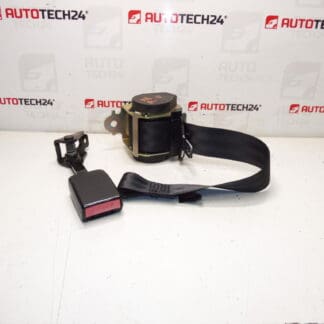
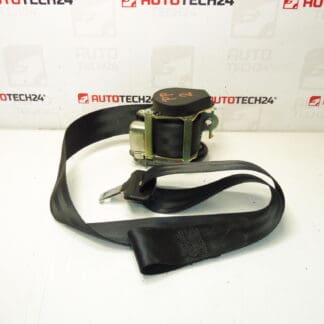
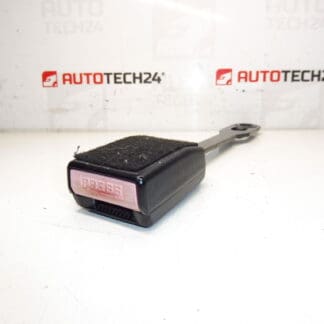
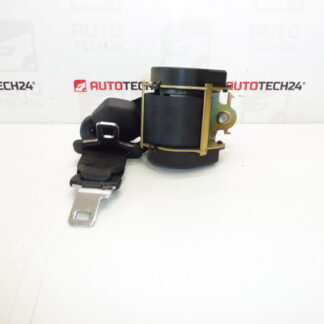
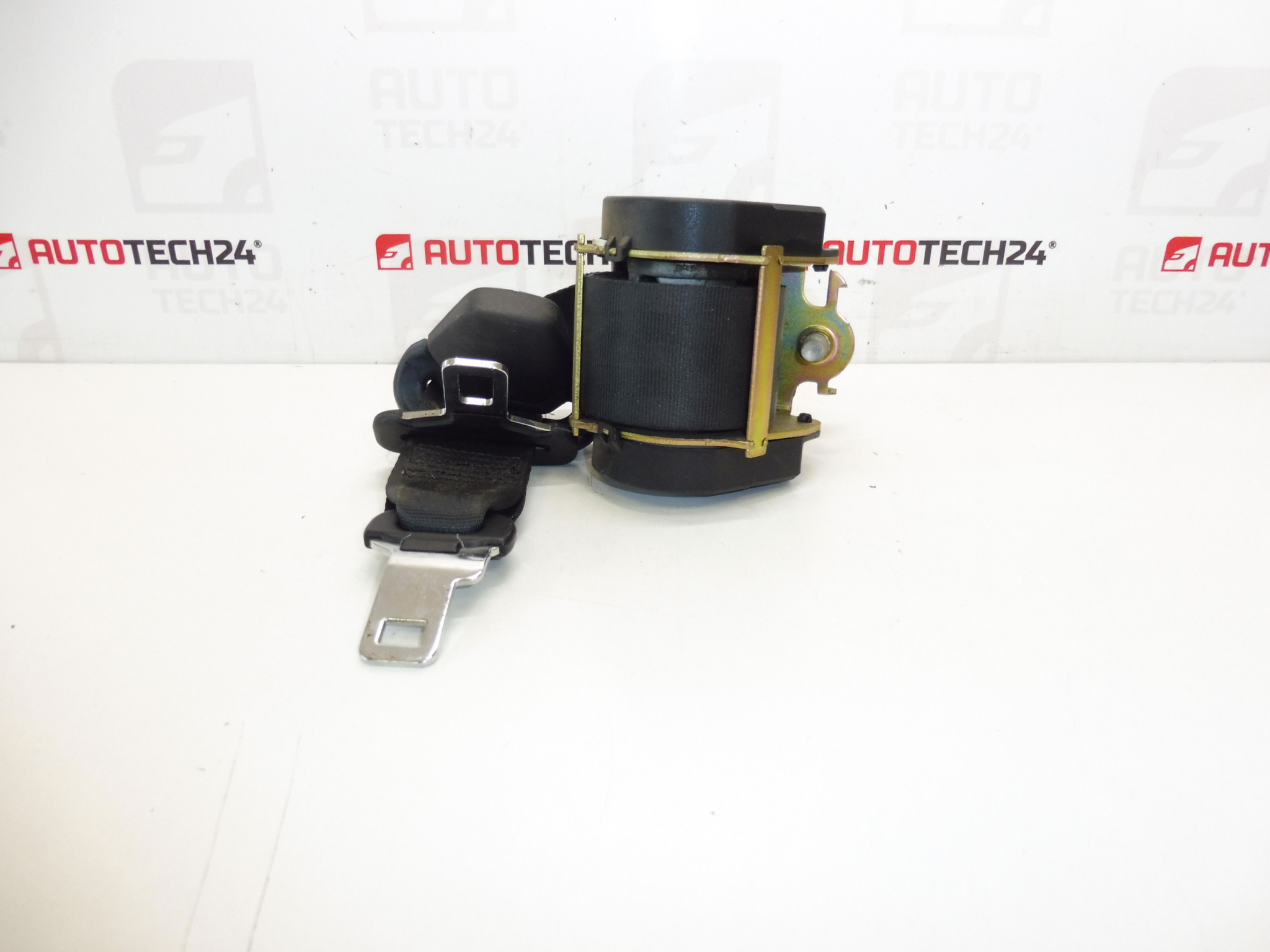
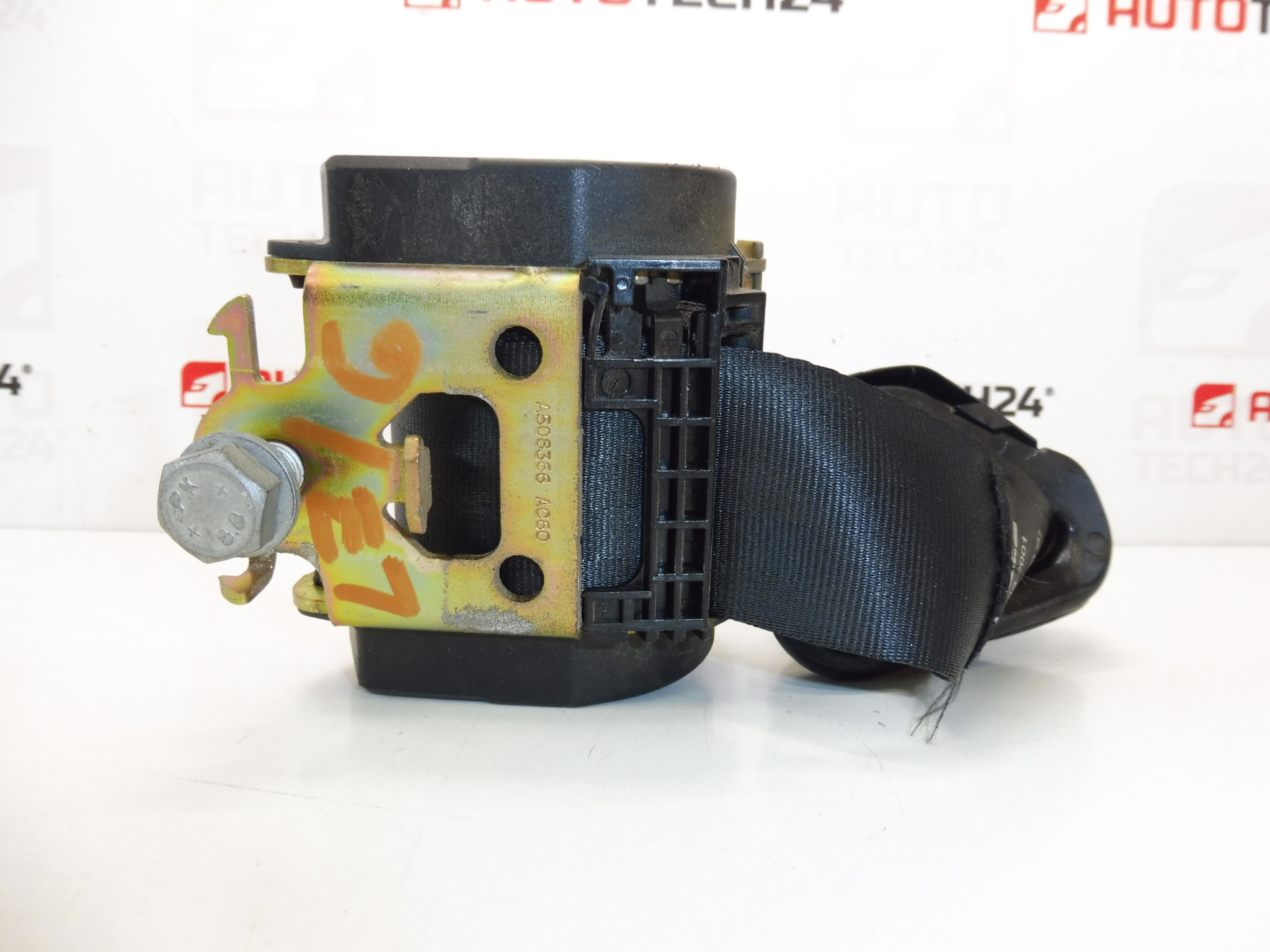
Third-row seat belt – right side for PEUGEOT 307 SW, third row behind the passenger.
Overview
This right-side third-row seat belt is designed for the Peugeot 307 SW estate with 3rd-row seating. It provides occupant restraint and is an essential safety component that secures the passenger in the rear-most seat. The assembly typically includes the webbing, retractor mechanism and buckle mounting required for safe operation.
Technical Information
- Manufacturer: Stellantis / Peugeot
- Model: Peugeot 307 SW (Third-Row, Right Side)
- Product Codes: 96403820XX, 8974JN
- Other Numbers: NFP (as marked in source description)
Compatibility
Fits Peugeot 307 SW estate models equipped with an optional third-row seat, right side (positioned behind the front passenger). Always compare the seat belt shape, connector type and mounting points with the original part to ensure correct fitment.
Function And Common Failure Modes
The seat belt restrains occupants during normal driving and locks instantly in rapid deceleration or collision via the inertia retractor. Common reasons for replacement include:
- Frayed or cut webbing caused by wear, abrasion or improper routing.
- Retractor malfunction (sticking or failure to lock) due to dirt, corrosion or internal wear.
- Buckle or latch failure caused by contamination or mechanical damage.
- Pretensioner activation after a collision (if the belt is equipped with a pyrotechnic pretensioner) — deployed pretensioners must be replaced.
How Often It Fails / Service Life
There is no fixed service interval for seat belts. Replace the belt immediately if webbing is worn, cut, contaminated with oils/chemicals, if the retractor does not operate smoothly, or after any significant accident. Exposure to sunlight, dirt and mechanical wear shortens service life.
Replacement Procedure (General Guide)
Only use this as a general outline. Follow the vehicle manufacturer service manual for exact steps and torque values.
- Park the vehicle on a level surface and disconnect the negative battery terminal if work may involve pretensioners or SRS components. Wait the manufacturer-recommended time before starting work.
- Remove interior trim panels to access the belt retractor, anchor bolts and buckle mounting.
- Unbolt the lower anchor and shoulder mounting bolts. If an electrical connector is present for a pretensioner, disconnect it carefully after battery isolation.
- Remove the old belt assembly and install the replacement, routing the webbing exactly as the original.
- Tighten all mounting bolts to the vehicle manufacturer’s torque specification using a calibrated torque wrench. Replace damaged or corroded bolts and fasteners.
- Reinstall trim, reconnect the battery and verify correct belt retraction, extension and latch engagement. Check for any warning lights related to the restraint system.
Installation Recommendations
- Use a torque wrench and follow Peugeot factory torque specifications for anchor and shoulder bolts.
- Do Not Reuse Damaged Hardware — replace bolts or fasteners that show corrosion or thread damage.
- Ensure the webbing is routed without twists and the buckle engages and releases cleanly.
- If The Belt Has A Pretensioner, Observe SRS Safety Procedures — disconnect battery and follow waiting times before handling connectors.
- After installation perform a functional check: webbing must run freely, lock under a sharp pull, and the buckle must latch securely.
Why This Part Most Often Fails
Wear and tear from repeated use, abrasion against trim or mounting points, contamination (dirt, oils) and corrosion of mechanical parts are the most frequent causes of failure. Pretensioner activation in collisions renders the belt unusable and requires replacement. Regular visual inspection is the best way to detect problems early.
Notes For Mechanics And DIY Enthusiasts
This seat belt is aimed at professional fitters and experienced DIYers who are comfortable working with vehicle interior trim and safety systems. Always adhere to Peugeot service procedures when working near SRS components. Proper installation is critical for occupant safety.