Description
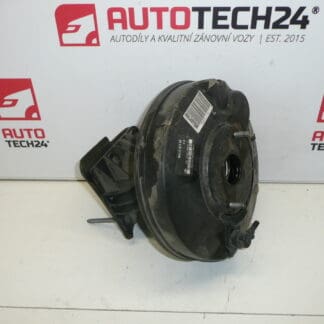
ATE Brake Booster for PEUGEOT 407 and CITROËN C6
Product Overview
High-quality ATE brake booster designed as a direct replacement for selected Peugeot 407 and Citroën C6 models. This booster restores correct pedal feel, reduces driver effort, and ensures reliable braking response. The unit is aimed at professional garages and experienced DIY mechanics who often search by OEM part numbers for fast identification.
Key Benefits
- Direct fit for compatible PEUGEOT and CITROËN models — no major modifications required.
- Restores correct brake pedal travel and firmness.
- Improves safety and confidence during braking maneuvers.
- Commonly sought by part number for quick replacement in workshops.
How It Works
The brake booster multiplies the force applied by the driver on the brake pedal using engine vacuum (or vacuum supply) to assist the master cylinder. It is installed between the brake pedal pushrod and the master cylinder on the firewall. A functioning booster reduces pedal effort and provides predictable braking response. Typical components that interact with the booster are the vacuum check valve, vacuum hose, master cylinder, and pushrod linkage.
Compatible Models
Designed for use on selected models of:
- Peugeot 407
- Citroën C6
Replacement Guide
Basic steps for replacing the brake booster (for experienced mechanics):
- Park vehicle on level ground, secure with wheel chocks and apply parking brake.
- Depressurize system by pumping the brake pedal with the engine off to reduce residual vacuum.
- Disconnect the vacuum hose and check valve from the booster.
- From the engine bay, unbolt the master cylinder from the booster or support it so brake lines are not stressed; do not open hydraulic lines unless replacing the master cylinder.
- From inside the vehicle, remove the retaining nut(s) at the pedal pushrod connection and the booster-to-firewall bolts.
- Remove the booster from the engine bay, transfer any required gaskets or brackets, and fit the replacement unit with correct pushrod alignment and torque values per vehicle manual.
- Reconnect vacuum hose and check valve, reattach master cylinder if removed, and bleed the brake system if hydraulic lines were opened or master cylinder was disturbed.
- Perform a functional test: with engine running, verify reduced pedal effort and absence of hissing or vacuum leaks. Check for correct brake operation at low speed before normal use.
Technical Information
- Manufacturer: ATE
- Model: Peugeot 407; Citroën C6
- Product Codes: 9657237180, 9658117480, 4535V7
- Other Numbers: Stellantis Cross Reference (Citroën / Peugeot)
Installation Recommendations
- Work Should Be Performed By A Trained Technician Or An Experienced DIY Mechanic With Proper Tools.
- Always Support The Vehicle Securely And Follow The Vehicle Manufacturer’s Service Procedures.
- Inspect And Replace The Vacuum Check Valve And Vacuum Hose When Installing A New Booster To Avoid Recurring Failures.
- If The Master Cylinder Is Removed Or Disturbed, Fully Bleed The Brake System According To The Manufacturer’s Procedure.
- After Installation, Verify Proper Pedal Travel And Brake Performance In A Safe Area Before Road Use.
Why This Part Fails
- Vacuum Leak: Cracked or deteriorated vacuum hoses or a failed check valve prevent proper vacuum assist, causing a hard brake pedal.
- Diaphragm Wear Or Damage: Internal diaphragm can deteriorate over time, leading to loss of assist and hissing noises.
- Master Cylinder Leaks: External leakage from the master cylinder can damage the booster or contaminate its seals, accelerating failure.
- Corrosion And Mechanical Wear: Prolonged exposure to moisture, road salts or mechanical impact can corrode mounting points or pushrod components.
- High Mileage And Age: Boosters commonly show issues on higher-mileage vehicles or after long service intervals; replacing associated vacuum components reduces repeat failures.
Symptoms Of A Faulty Booster
- Hard Or Heavy Brake Pedal (Increased Pedal Effort)
- Longer Pedal Travel Before Braking Effect
- Hissing Noise From The Engine Bay When Braking
- Engine Stall Or Rough Idle When Braking (If Severe Vacuum Leak)
Notes For Professionals
This part is commonly located and ordered by OEM product numbers. Confirm correct part number against the vehicle’s model and engine variant before installation. Replace vacuum hoses and check valve at the same time when possible to ensure reliable service life.