Description
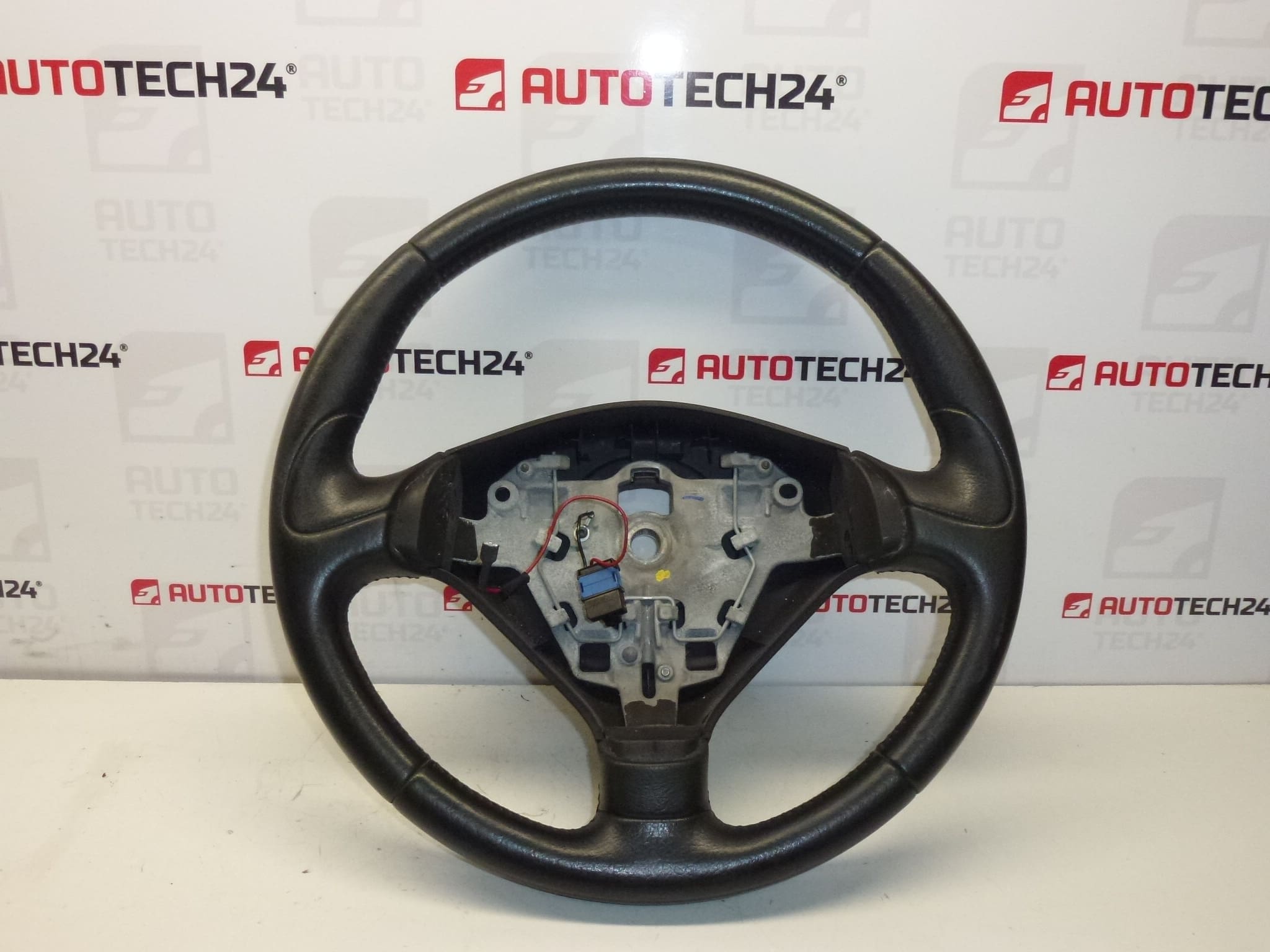
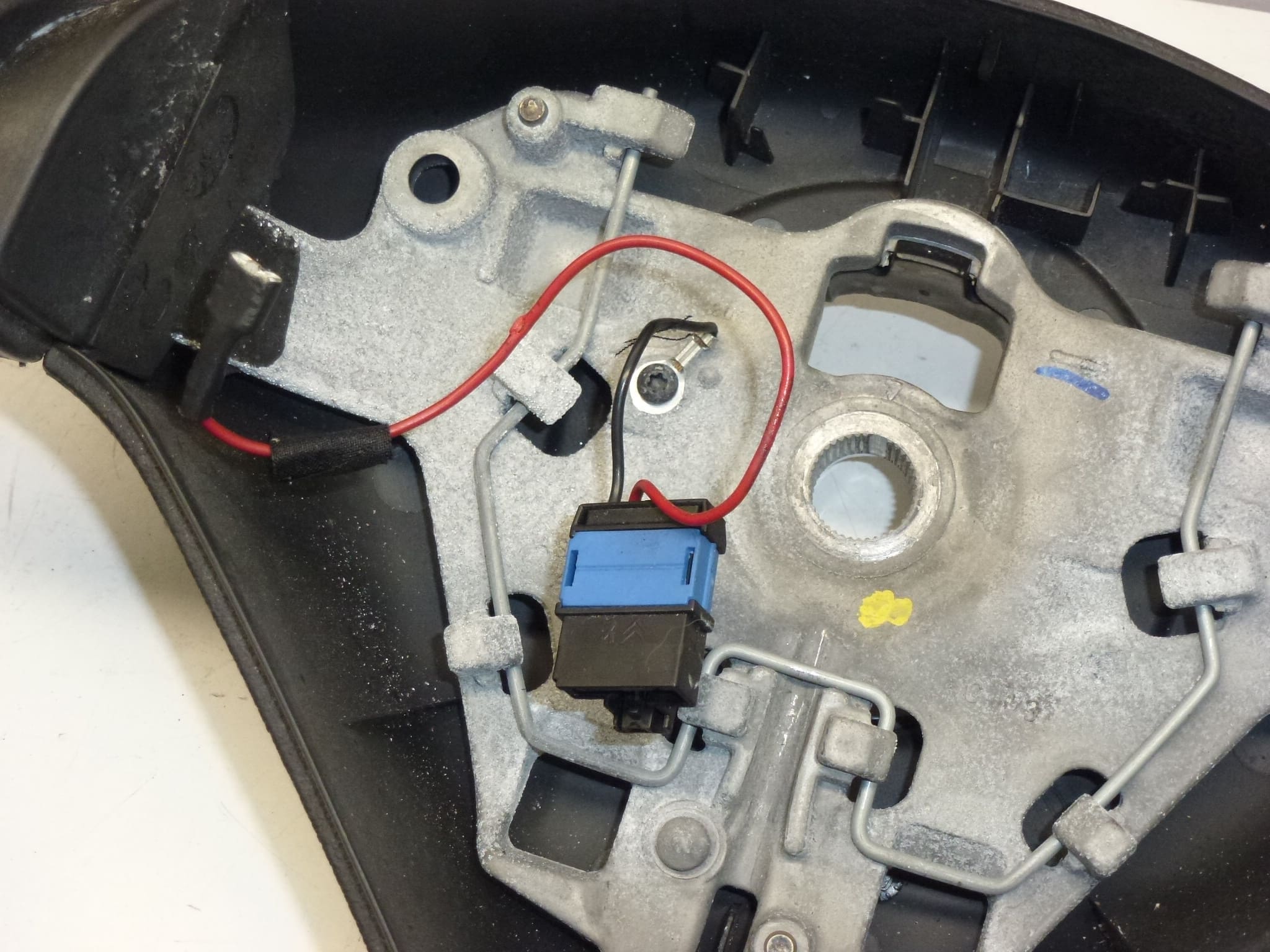
Leather steering wheel stitched with black leather for PEUGEOT 407. Color HZD- – BLACK MISTRAL. Very good visual condition.
This genuine-style leather steering wheel is a direct-fit option for Peugeot 407 owners and workshops searching by part numbers 9663198177, 9662203377 or code 4109GH. The classic black Mistral leather covering with stitched rim offers improved grip and a factory-correct appearance. Ideal for mechanics and competent DIYers who need a ready-to-install replacement steering wheel for interior refurbishment or to replace a worn or damaged rim.
Key Features
– Leather-wrapped rim with black stitching for a durable, tactile finish.
– Factory-correct fitment for Peugeot 407 steering column spline and controls (verify match with vehicle parts list).
– Commonly searched and identified by product codes, improving findability for repairs.
Technical information
- Manufacturer: Stellantis (Citroën / Peugeot)
- Model: Peugeot 407
- Product Codes: 9663198177, 9662203377, 9663198177 00, 9662203377 00
- Additional Numbers: 4109GH, 4109HV
Recommended installation
Installation should be carried out by a trained technician or an experienced DIYer following safety precautions. Basic procedure:
- Disconnect the negative battery terminal and wait at least 3–10 minutes to allow airbag system capacitors to discharge.
- Remove the airbag module following OEM removal points and unplug all electrical connectors carefully.
- Mark the steering wheel alignment relative to the steering column to preserve wheel centering.
- Remove the central retaining nut and use a suitable steering wheel puller if necessary to remove the wheel from the splined shaft.
- Fit the replacement wheel aligning splines and alignment marks, tighten the central nut to the manufacturer’s torque specification, reconnect electrical connectors and reinstall the airbag module.
- Reconnect the battery and verify proper function of steering wheel controls and that the airbag warning light behaves correctly.
Why this part fails most often
Steering wheel wear on the Peugeot 407 typically results from everyday use and environmental factors: natural oils from hands, abrasion from frequent handling, UV exposure causing leather fading or hardening, and worn stitching. Mechanical issues can also arise from improper removal/reinstallation or from impacts in collisions. Replacing the steering wheel is a common repair to restore grip, look and driver comfort.
Search terms to find this part: Peugeot 407 steering wheel, 9663198177, 9662203377, 4109GH, 4109HV, black Mistral leather steering wheel.