Description
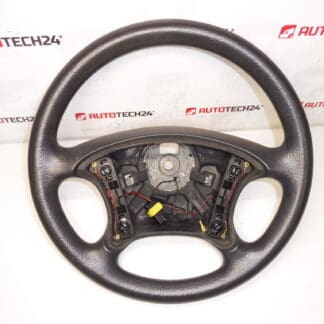
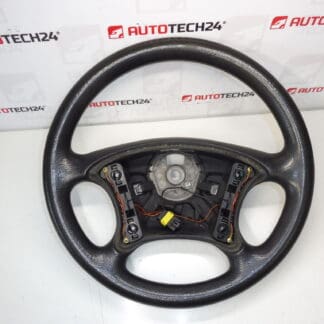
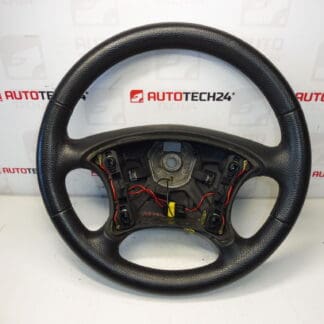
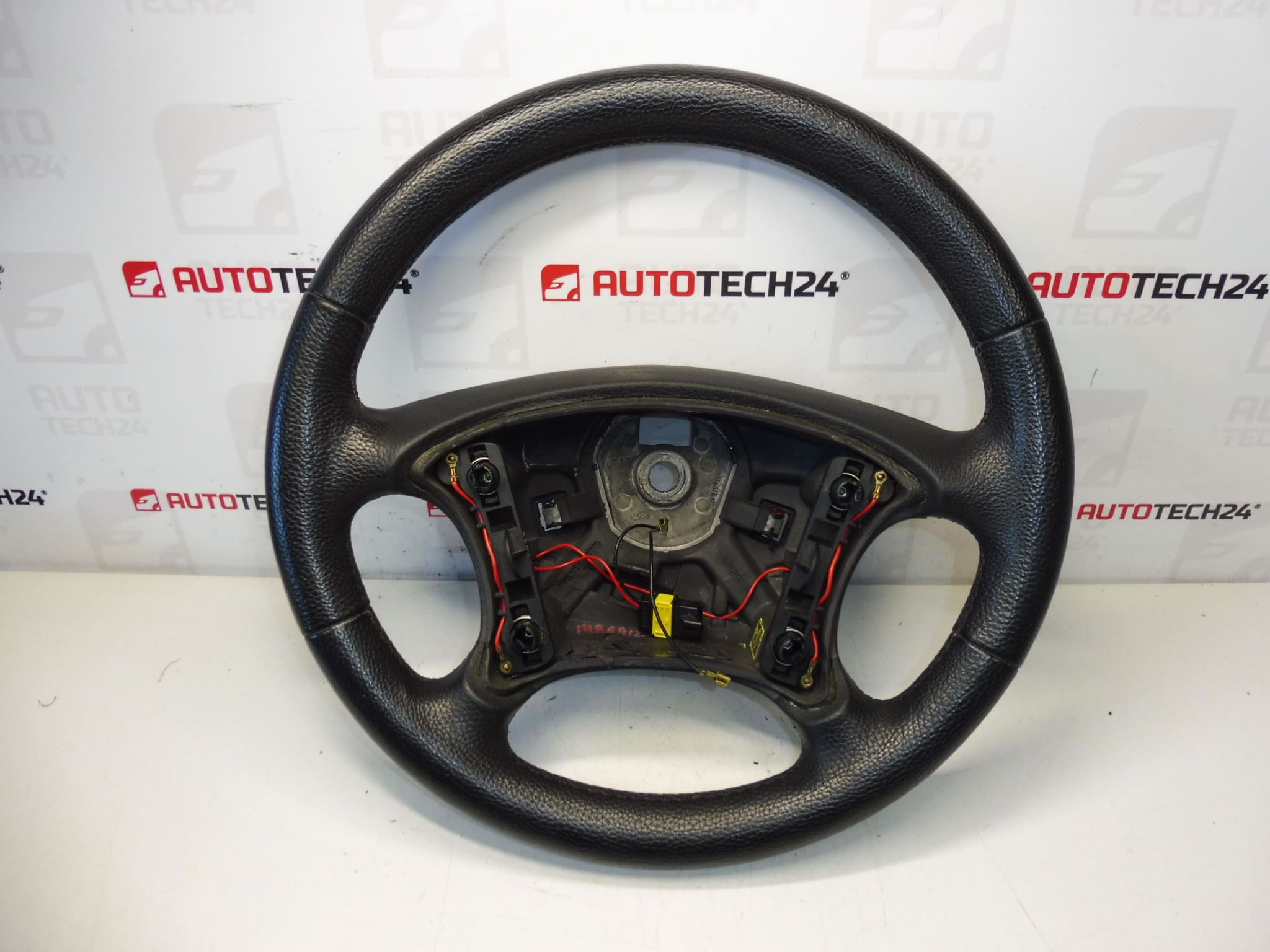
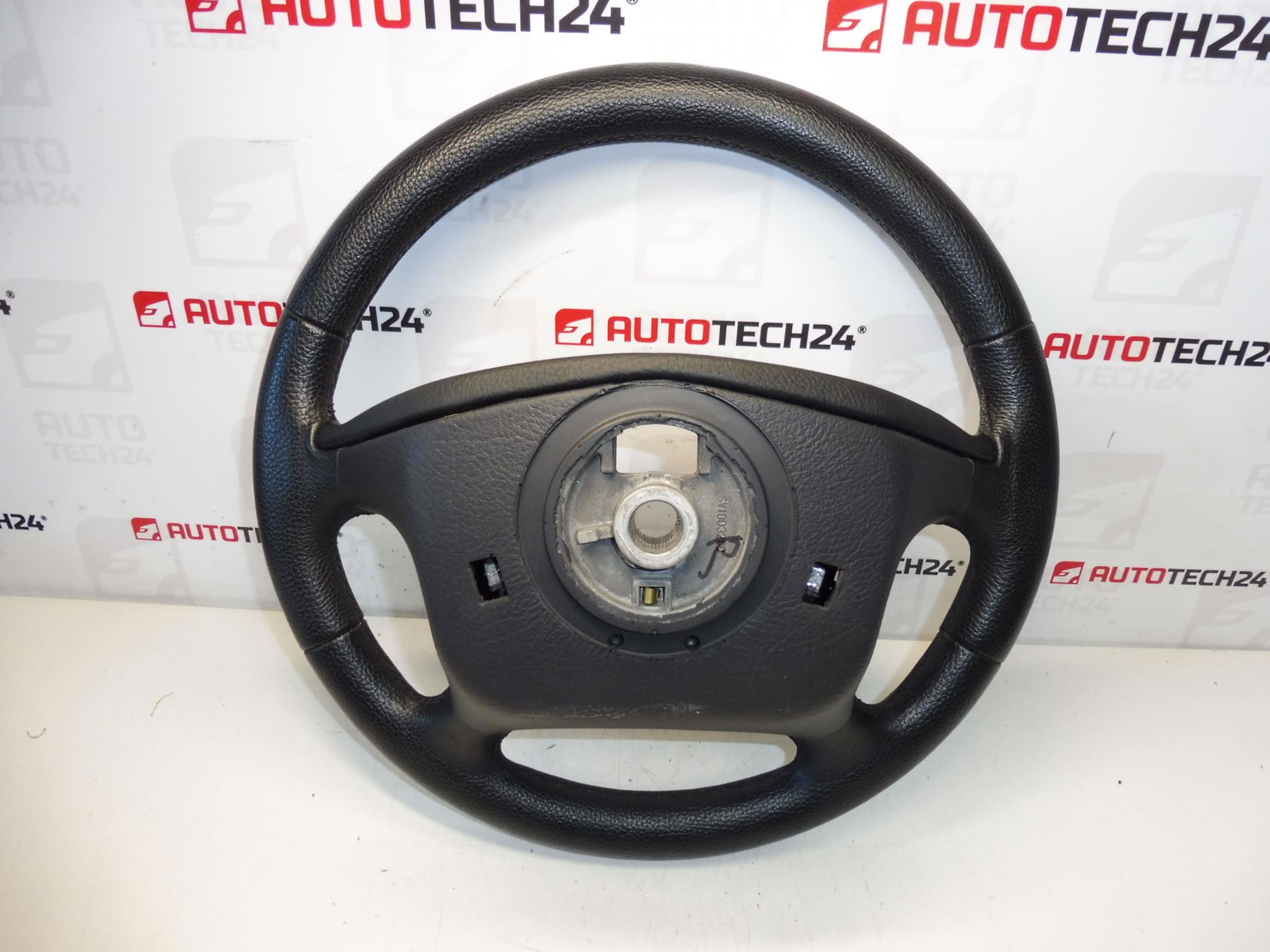
Steering wheel for Citroën C8 and Peugeot 807
Product Overview
Replacement steering wheel designed for Citroën C8 and Peugeot 807 vehicles. Ideal for professional workshops and experienced DIY mechanics looking for a direct-fit steering wheel option. This part is commonly searched by its product codes (14845640YR, 4109FH), so using those references will help you find the correct item quickly.
Key Benefits
- Direct Fit for Citroën C8 and Peugeot 807 — simplifies installation and reduces downtime.
- Designed to meet original mounting and spline specifications for safe steering response.
- Relevant for repairs involving worn or damaged steering wheels, cosmetic refurbishment, or replacement after airbag deployment.
How It Works And Typical Applications
The steering wheel transfers driver input to the steering column and provides mounting for control switches, horn contact, and the airbag module where fitted. It is a wear part predominantly affected by cosmetic deterioration, impact damage, or issues arising from airbag deployment. For vehicles with steering wheel-mounted controls, pay attention to wiring and clock spring connections when replacing the wheel.
Technical Information
- Manufacturer: Stellantis (Citroën/Peugeot)
- Model: Citroën C8; Peugeot 807
- Product Codes: 14845640YR, 4109FH
- Additional Numbers: NFP
Installation Recommendations
- Disconnect the vehicle battery before starting work and wait the manufacturer-recommended time to ensure deactivation of supplemental restraint circuits.
- Mark the steering shaft and wheel position to preserve alignment, or use a steering angle reference tool to maintain correct orientation.
- Carefully disconnect all electrical connectors (horn, steering wheel controls, airbag) and inspect the clock spring (spiral cable) for wear or damage. Replace the clock spring if any resistance, noise, or electrical faults are observed.
- Tighten the steering wheel retaining nut to the manufacturer’s torque specification and verify free movement of the steering column before reconnecting the battery.
- After installation, check all steering wheel functions (horn, switches, cruise control if applicable) and confirm no warning lights remain on the dash.
How To Replace (Brief Guide)
- Park vehicle on level ground, engage parking brake, and remove ignition key.
- Disconnect the negative battery terminal and wait per manufacturer guidance.
- Remove the airbag module following manufacturer procedures, then unplug connectors and remove airbag from the wheel.
- Loosen and remove the central retaining nut, then remove the steering wheel from the splined shaft using appropriate puller tools if necessary.
- Transfer any required components (controls, trim, badges) to the new wheel and refit in reverse order, ensuring correct alignment and torque.
Why The Part Most Commonly Fails
- Cosmetic Wear: Leather or trim wear, cracking, and color fading from regular use and sun exposure are the most frequent reasons for replacement.
- Airbag Deployment: After an airbag deployment the steering wheel and related components are often replaced due to structural and connector damage.
- Clock Spring / Electrical Faults: Failure of the spiral cable can result in loss of horn, airbag warning lights, or non-functioning steering wheel controls.
- Physical Damage: Impacts from accidents or improper removal/installation can damage the wheel splines or mounting points.
Notes For Professionals
When ordering by part number (14845640YR, 4109FH), verify the exact match for trim and control compatibility. Use professional tools to preserve steering alignment and to avoid damage to the clock spring and airbag connectors. This product is intended for use by technicians and experienced DIYers familiar with vehicle safety systems.