Description
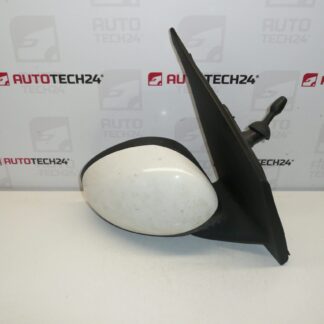
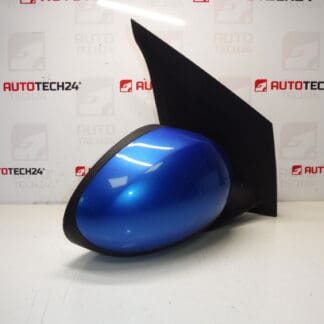
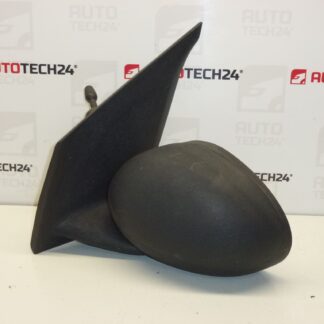
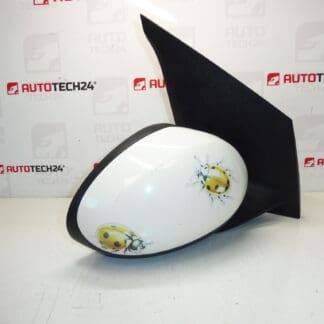
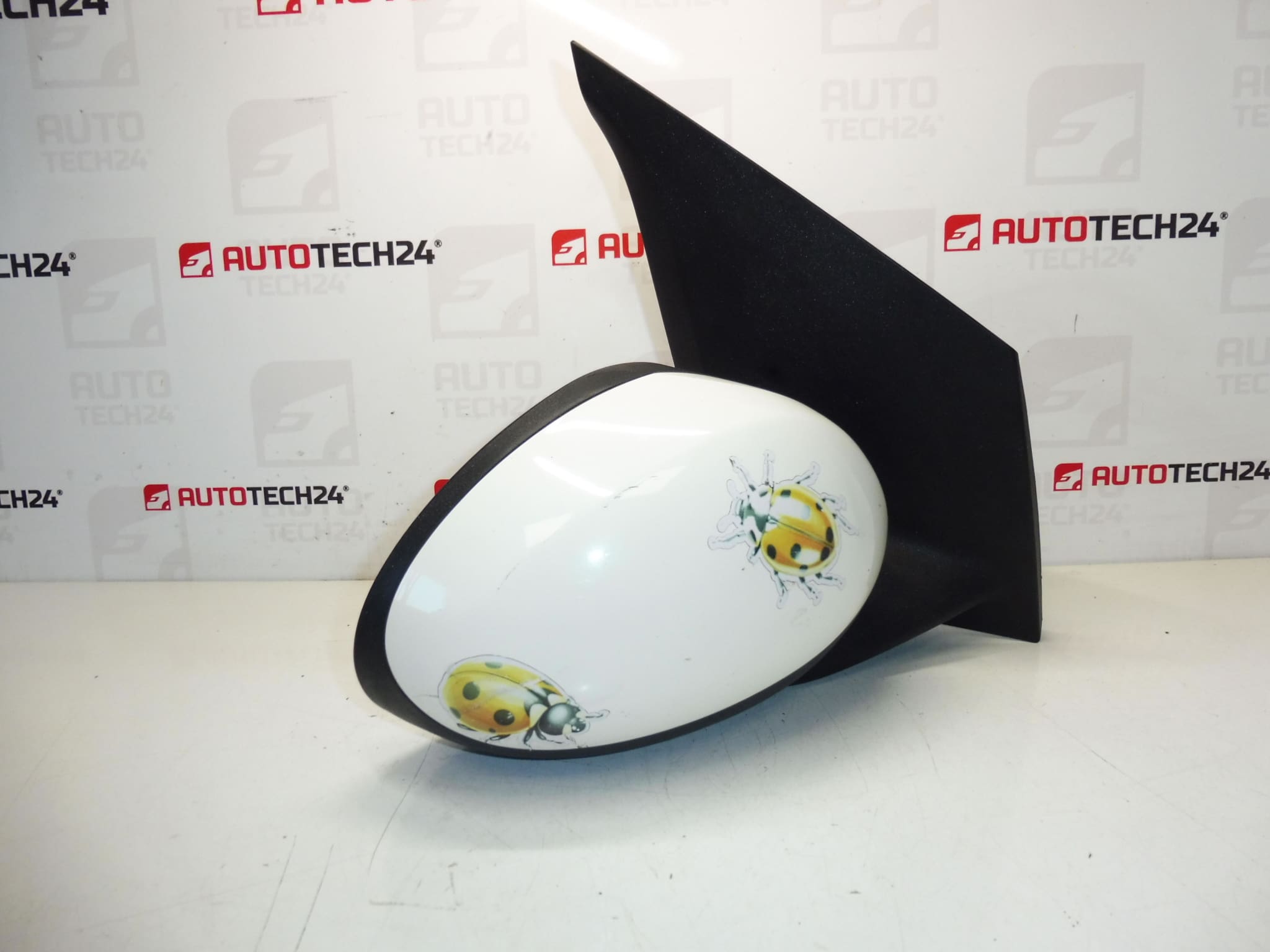
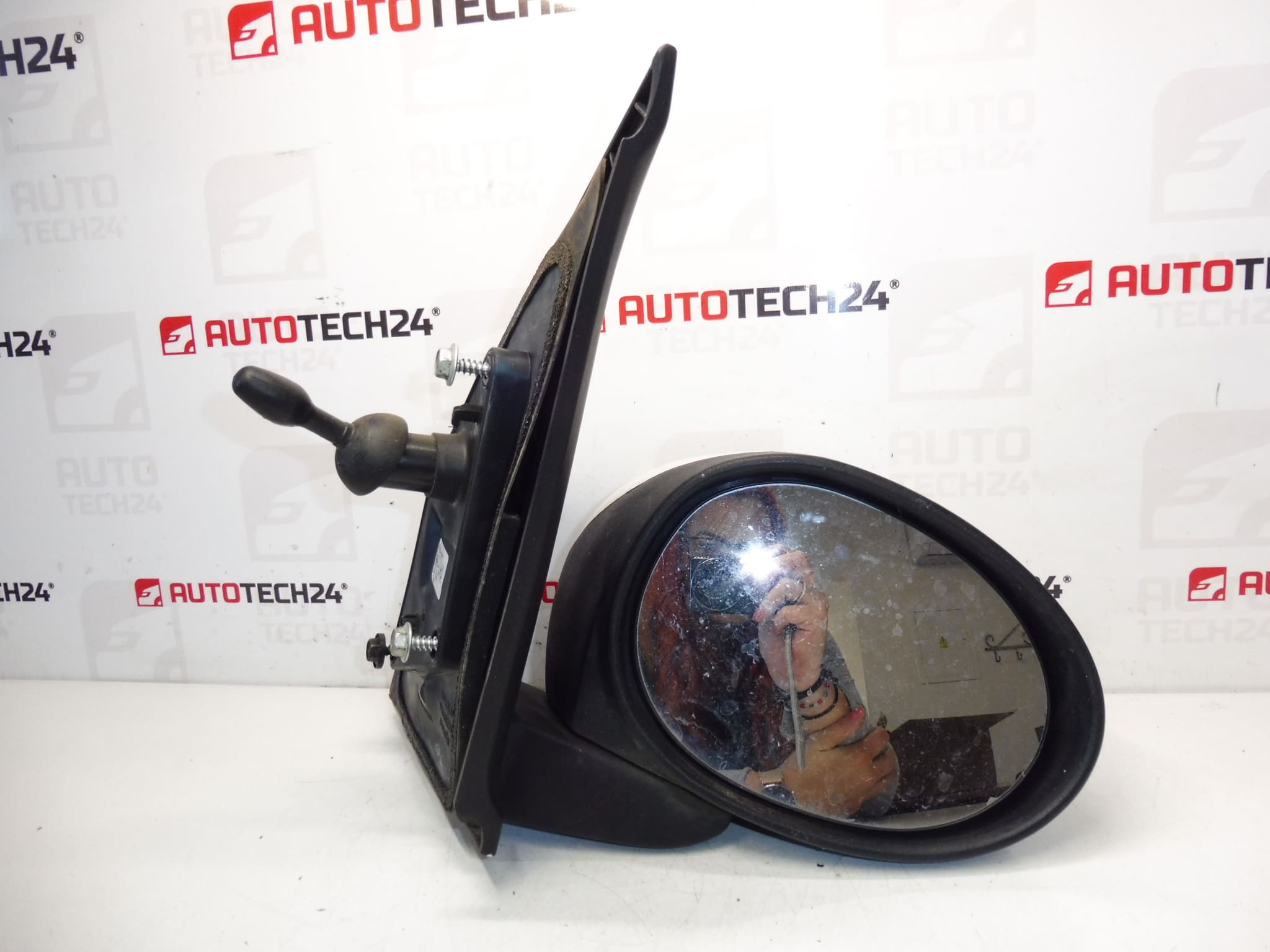
Right Side Rear-View Mirror Citroën C1 Peugeot 107
Color KWD – Paint Lipizzan White
Passenger Side
High-quality replacement right (passenger side) wing mirror designed for Citroën C1 and Peugeot 107. Painted in KWD Lipizzan White for an exact visual match to original finishes, this mirror is a practical choice for professional workshops and DIY motorists who need a direct-fit part that often gets searched by its part number (e.g. 87910-0H010). The housing and mounting points follow OE geometry to ensure proper alignment and a tidy installation without additional trimming or modification.
Key Benefits
- Direct fit for Citroën C1 and Peugeot 107 — simplifies replacement and reduces installation time.
- Factory-style painted cover (KWD – Lipizzan White) for a seamless exterior appearance.
- Suitable for workshop technicians and experienced DIYers looking for a reliable OEM-compatible mirror.
- Often identified and ordered by part number 87910-0H010 (see Technical Information for full code list).
Installation Overview
Removal and fitment can be completed in a standard workshop with basic hand tools. Typical steps:
- Remove the interior door trim or triangular cover to access the mirror mounting screws/nuts.
- Disconnect the electrical connector if the vehicle is fitted with electric adjustment, heated glass or integrated indicators.
- Unscrew the mirror fasteners and remove the old assembly.
- Install the replacement mirror, connect the electrical plug, and secure the mounting bolts to the manufacturer’s specification.
- Reinstall the door trim and test all mirror functions (adjustment, heating, indicators if applicable) before finishing.
Recommendation: Work should be carried out by a qualified technician or an experienced DIYer. If electrical connections are present, disconnect the negative battery terminal before starting work to avoid shorts or damage to vehicle electronics and to ensure safe handling.
Technical Information
- Manufacturer: Stellantis / Citroën / Peugeot
- Model: Citroën C1, Peugeot 107
- Product Codes: 87910-0H010, 87910-0H011
- Other Numbers: 8153YS, 815289, 8151HW, KWD
Why This Part Fails
The most common causes for mirror replacement are external impact and mechanical damage (parking knocks, collisions) which crack the housing or glass. Other frequent issues include water ingress and corrosion affecting electrical connectors or actuators (on electrically adjustable mirrors), internal motor wear, and paint deterioration from environmental exposure. Cosmetic damage such as chipped paint or scratched covers is also a common reason for replacement when visual matching is required.
Recommended Maintenance And Tips
- Inspect mirror mounting points and electrical connectors during bodywork repairs to prevent future malfunctions.
- After installation, verify full travel of any electric adjustment and check for proper mirror glass heating if equipped.
- Touch up chips promptly to reduce corrosion risk on metal components beneath the paint.
Search And Ordering Advice
Customers frequently search by part number (for example 87910-0H010). Use the part codes listed above to ensure correct fitment for Citroën C1 and Peugeot 107 models. This passenger-side, painted mirror offers a convenient, direct-replacement solution for repairing road damage or restoring vehicle appearance.