Description
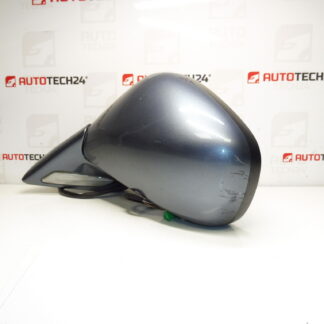
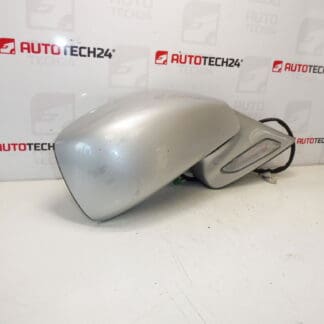
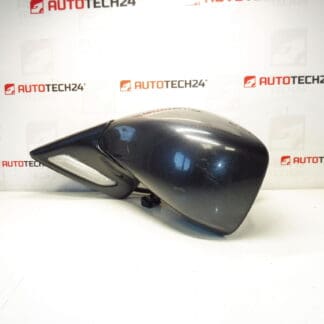
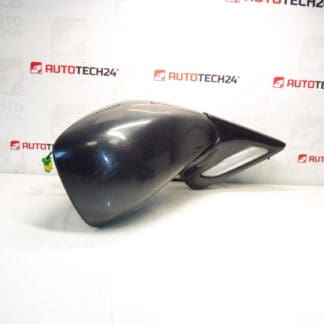
Rearview mirror right electrically controlled and foldable for CITROEN C8 PEUGEOT 807 cars
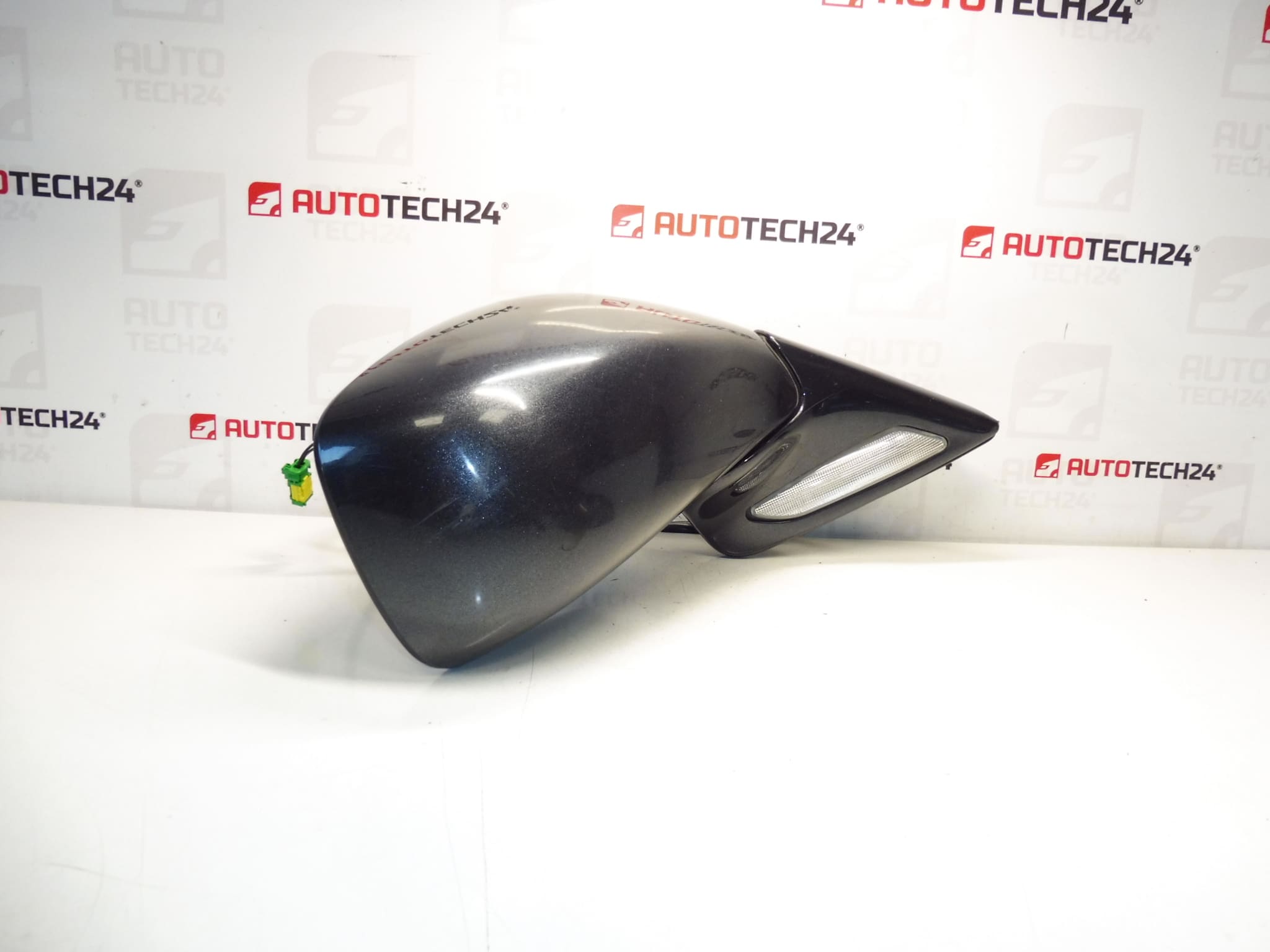
The colored part is slightly rubbed
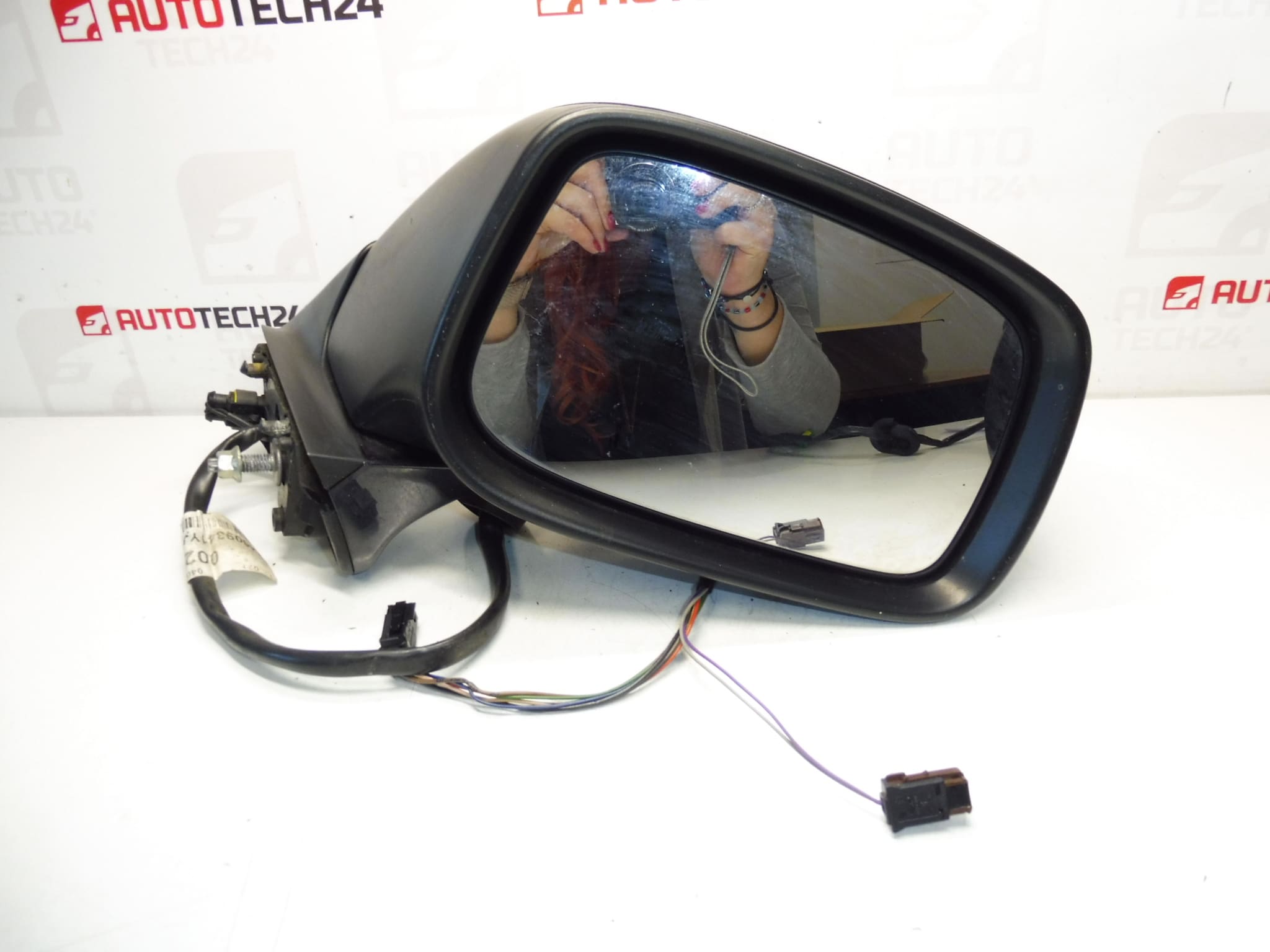
10 PIN 6+2+2
Outdoor temperature sensor
Passenger side
EYJ color – ASTER GRAY LACQUER
Part description
This right rear view mirror (passenger side) is intended for Citroën C8 and Peugeot 807 cars. It is an electrically controlled and at the same time electrically folding mirror with an external temperature sensor, so it is suitable as a direct replacement if the original piece is damaged.
Condition: the colored part is slightly scuffed (cosmetic defect), otherwise according to the description it corresponds to the used part.
Technical information
- Manufacturer: Stellantis (Citroën / Peugeot)
- Model: Citroën C8, Peugeot 807
- Other numbers: 14009349ZR, 8153FV
- Side: right (passenger)
- Control: electric control + electric folding
- Connector: 10 PIN (6+2+2)
- Equipment: outdoor temperature sensor
- Color: EYJ – Aster gray lacquer
Product codes
- Product codes: 14009349YJ, 8153FV, EYJC
Installation recommendations
Generally/typically for rearview mirror replacement (exact steps may vary by car model and equipment):
1) Before assembly
- Compare with the old mirror: right side, control type (electric + folding), presence of a temperature sensor.
- Check the 10 PIN (6+2+2) connector and the connection compatibility (connector shape, securing, cable length).
- Optically check the condition of the mirror body, mounting and wiring grommets; Please note that the colored part is slightly scuffed.
2) Necessary tools and materials
- Gola/set of bits and screwdrivers (according to the type of connecting material)
- Plastic crowbar for removing upholstery
- Clean cloth, possibly insulating tape / cable ties to secure the cabling
3) Step-by-step assembly procedure
- Turn off the ignition and for safety disconnect the battery (typically recommended for electrical parts in the doors).
- Dismantle the inner cover/triangle at the mirror and possibly part of the door panel so that you can get to the attachment and connector.
- Disconnect the mirror electrical connector and check that it is not damaged or oxidized.
- Loosen the mirror fasteners (nuts/bolts) while holding the mirror from the outside to prevent it from falling.
- Remove the old mirror and route the wiring through the passage to the outside.
- Clean the landing area on the door and check the seal/fit for noise or leaks later.
- Place the new mirror, run the wiring and seat it in the correct position.
- Tighten the mirror mount evenly so that it sits without tension.
- Connect the connector and secure the wiring so that it does not pinch anywhere and does not interfere with the moving parts of the door.
- Refit the door covers/trimming in the reverse order of removal.
- Connect the battery and turn on the ignition.
-
4) Post-assembly checks and test drive/function verification
- Verify the function of mirror adjustment and electric folding.
- Check that everything is secure and the mirror does not move when the door is closed/vibration.
- Verify that the connector and wiring are not loose and that there is nothing loose in the area of the covers.
5) The most common assembly mistakes + how to avoid them
- Replacement of connector / equipment (e.g. missing sensor): always compare 10 PIN (6+2+2) and equipment with the old piece before assembly.
- Pinched wiring in grommet or under upholstery: reroute cables and check before final snapping of covers.
- Incorrect seating on the landing surface: clean the landing and tighten evenly so that the mirror sits without tension.
Reasons why the part is damaged
- Mechanical damage during parking (contact with a post, wall, other vehicle) – the body often cracks or the mounts become twisted.
- Damage to the folding mechanism during violent tipping or impact with the mirror.
- Fatigue of wiring and connectors (bend in door, moisture, oxidation), which can cause electrical control failures.
- Normal operational wear and tear and cosmetic paint defects (abrasions, small scratches).