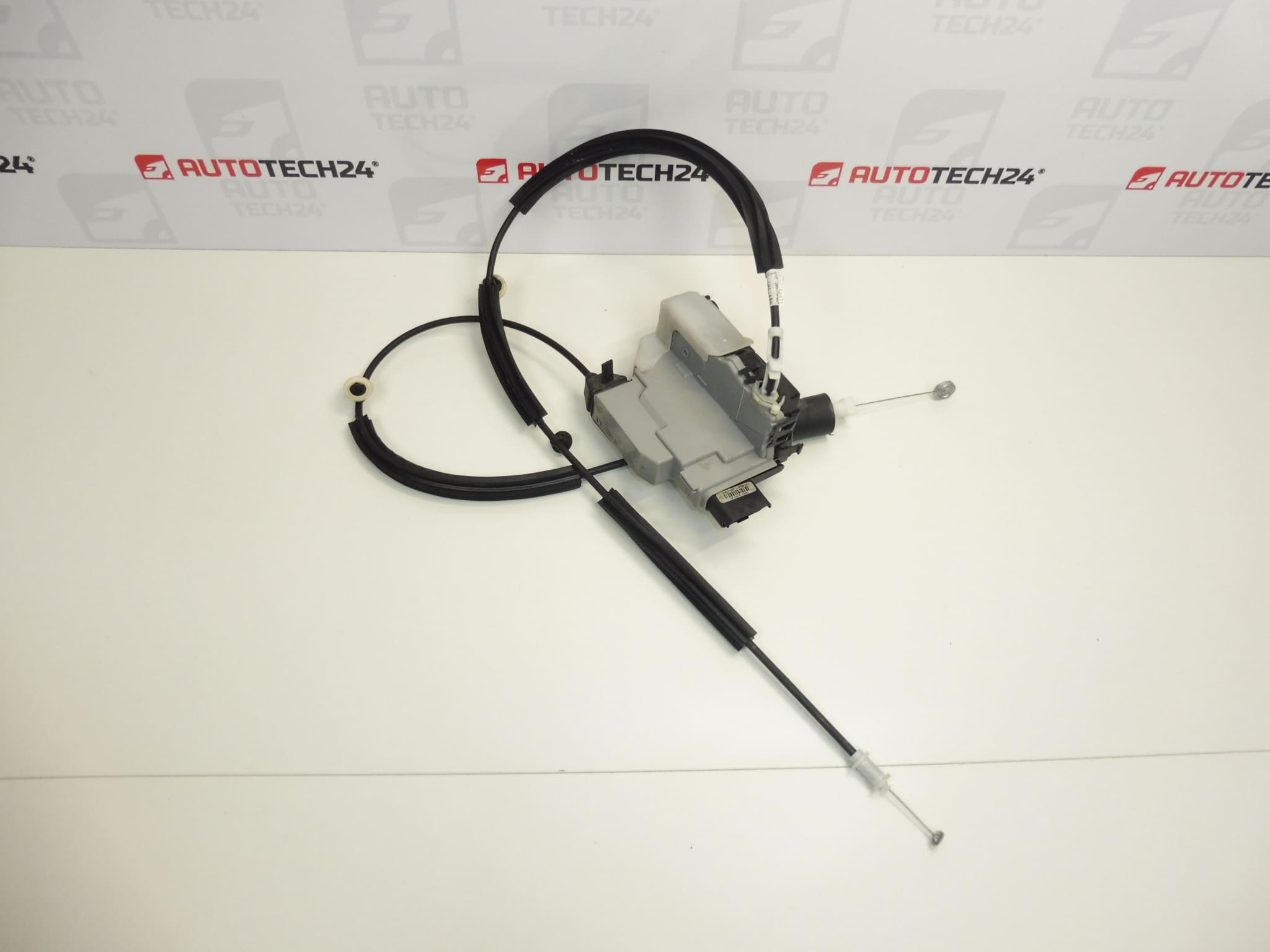
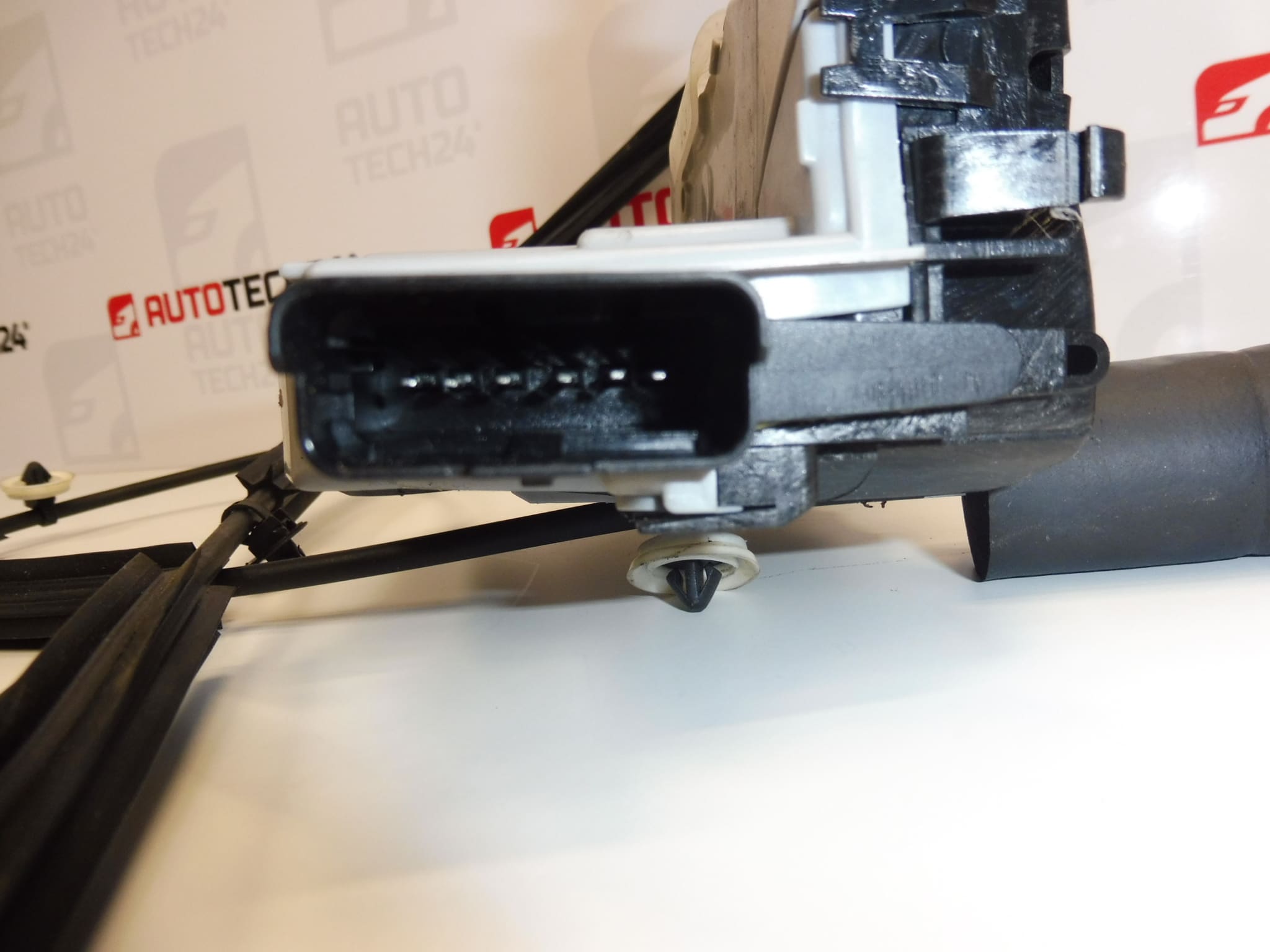
Description
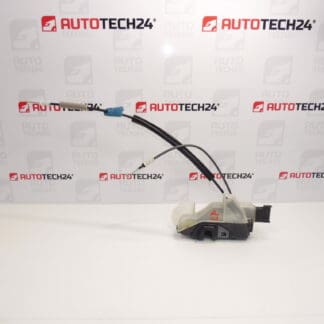
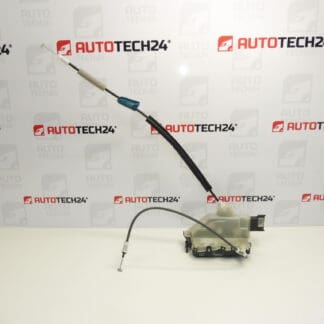
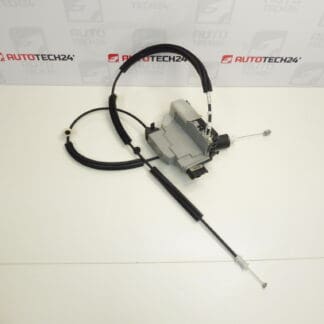
Door lock behind the driver for Stellantis group vehicles CITROEN PEUGEOT OPEL FIAT TOYOTA
Part description
Used door lock behind the driver, product number 9824358680, is intended to replace a faulty door lock. This type of part keeps the door closed and allows it to be locked and unlocked. Its proper function is important for closing the door securely and for convenient use of the vehicle.
The documentation lists this part for the Citroën Berlingo K9, OPEL COMBO E K9, PEUGEOT PARTNER III and PEUGEOT RIFTER models. When selecting a part, compare its product number, lock design, mounting points and connection with those of the original part. A used part is a practical way to carry out the repair without having to purchase a new lock.
Technical information
- Manufacturer: not specified; the documentation lists the designation Stellantis CITROEN PEUGEOT.
- Model: Citroën Berlingo K9, OPEL COMBO E K9, PEUGEOT PARTNER III, PEUGEOT RIFTER.
- Part type: door lock.
- Location according to documentation: door behind the driver.
- Condition: used part.
- Other numbers: not specified.
Product codes
- Product codes: 9824358680.
Number 9824358680 is the primary detail to use when searching for this lock. A matching model name alone does not replace comparing the specific design of the part.
Installation recommendations
The following procedure generally applies to this type of part. The exact access to the lock, method for removing the trim and connection of the controls depend on the specific model and vehicle configuration. Follow the manufacturer’s service procedure.
1) Before installation
- Compare the part number, housing shape, mounting points and any electrical connector with those of the original lock.
- Check the cable or rod connection points and their orientation.
- Inspect the used part: the housing must not be cracked, the mounting points damaged or the contacts significantly corroded. Check accessible moving parts without using force.
- Before replacing the part, rule out other possible causes of the fault, such as damaged wiring, a loose door handle control or incorrect door alignment.
2) Tools and materials required
- Hand tools suitable for the fasteners used.
- A plastic trim removal tool for careful removal of the trim, a flashlight and protective gloves.
- A clean cloth and a product suitable for cleaning the area around the part.
- Depending on the design, materials for restoring the seal of the original protective film or door cover.
3) Step-by-step installation procedure
- Secure the vehicle against movement, open the relevant door and secure it against accidentally closing.
- Switch off the ignition. If the lock is electrically connected, prepare the electrical system and, if necessary, disconnect the battery according to the vehicle manufacturer’s instructions.
- Remove the necessary trim and covers according to the service procedure. Release the retaining clips one at a time to avoid damaging them.
- If there is a protective film or sealing layer, carefully peel it back so that its seal can be restored.
- Before disconnecting anything, note the routing of the wiring, cables and rods, for example by taking a photo.
- Release and disconnect any electrical connector. Do not pull on the wires, and check the condition of the contacts.
- Release the connected cables or rods, including their retaining clips. Do not bend them or pry against the plastic retainers.
- Support the original lock, release its fasteners and carefully remove it. Clean the accessible mounting surfaces.
- Insert the replacement lock without using force and secure it according to the manufacturer’s procedure. Connect the controls and any connector, making sure all retaining clips are properly secured.
- Check that the wiring and cables are not pinched, stretched or in the path of moving parts. If the battery was disconnected, restore power according to the manufacturer’s instructions.
- Before fully closing the door, check the operation of the lock and handles as specified by the manufacturer. If the latch is moved during the check, return it to the open position before closing the door.
- Restore the seal of the protective layers and reinstall the trim. Then carefully close the door and check its operation again.
4) Post-installation checks and function verification
- Check several times that the door closes, locks, unlocks and opens using the available controls, as appropriate for the vehicle’s equipment.
- Check that the door remains securely closed and does not require excessive force to close.
- If the vehicle is equipped with an open-door warning, check that it responds correctly.
- If the lock does not latch securely, do not drive the vehicle. If necessary, take a test drive only after successfully checking the lock while stationary; watch for unusual noises and door warnings.
5) Common installation errors and how to avoid them
- Using the wrong version: compare the part number, mounting points and connections before disassembly.
- Cable or connector retainers not fully engaged: gently check each connection after installation.
- Pinched or incorrectly routed cable: follow the original route and check that the controls move freely.
- Closing the door without testing first: check the mechanism with the door open first to prevent it from becoming locked shut.
- Damaged door protective layer: restore its seal to prevent water from reaching the trim and electrical connections.
Reasons why the part may become damaged
The following factors can generally cause door lock failure; they do not describe the condition of this specific part:
- Mechanical wear of the latch and control mechanism through long-term use.
- Moisture, dirt and corrosion, which increase resistance in moving parts or impair electrical connections.
- Repeatedly slamming the door or incorrect door alignment, which puts excessive strain on the lock.
- A seized or damaged cable or rod, which prevents the mechanism from moving fully.
- An electrical control fault in electrically operated locks; wiring or a connector can also cause similar symptoms.
- Careless disassembly, especially damage to plastic retainers and connection points.