Description
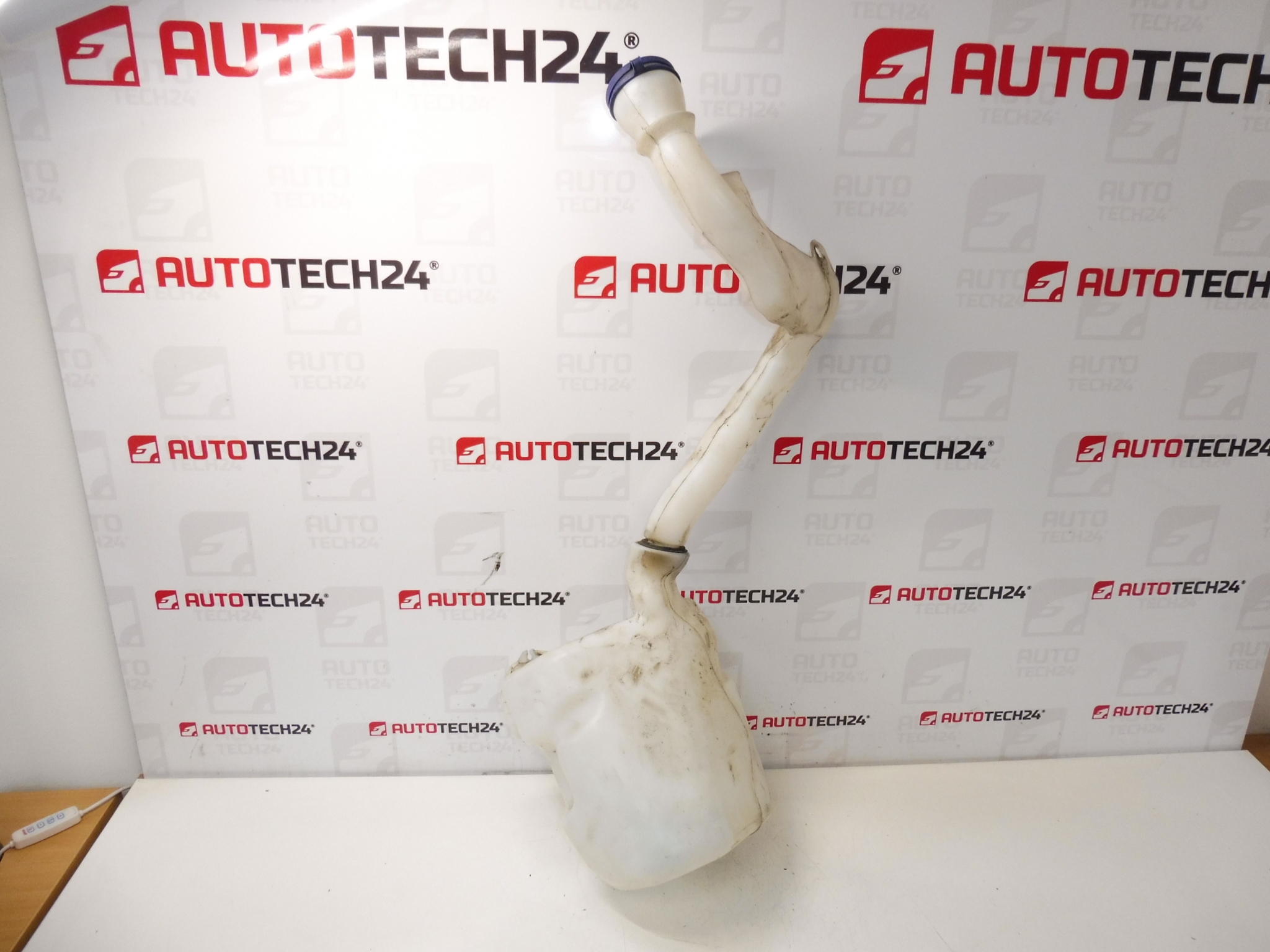
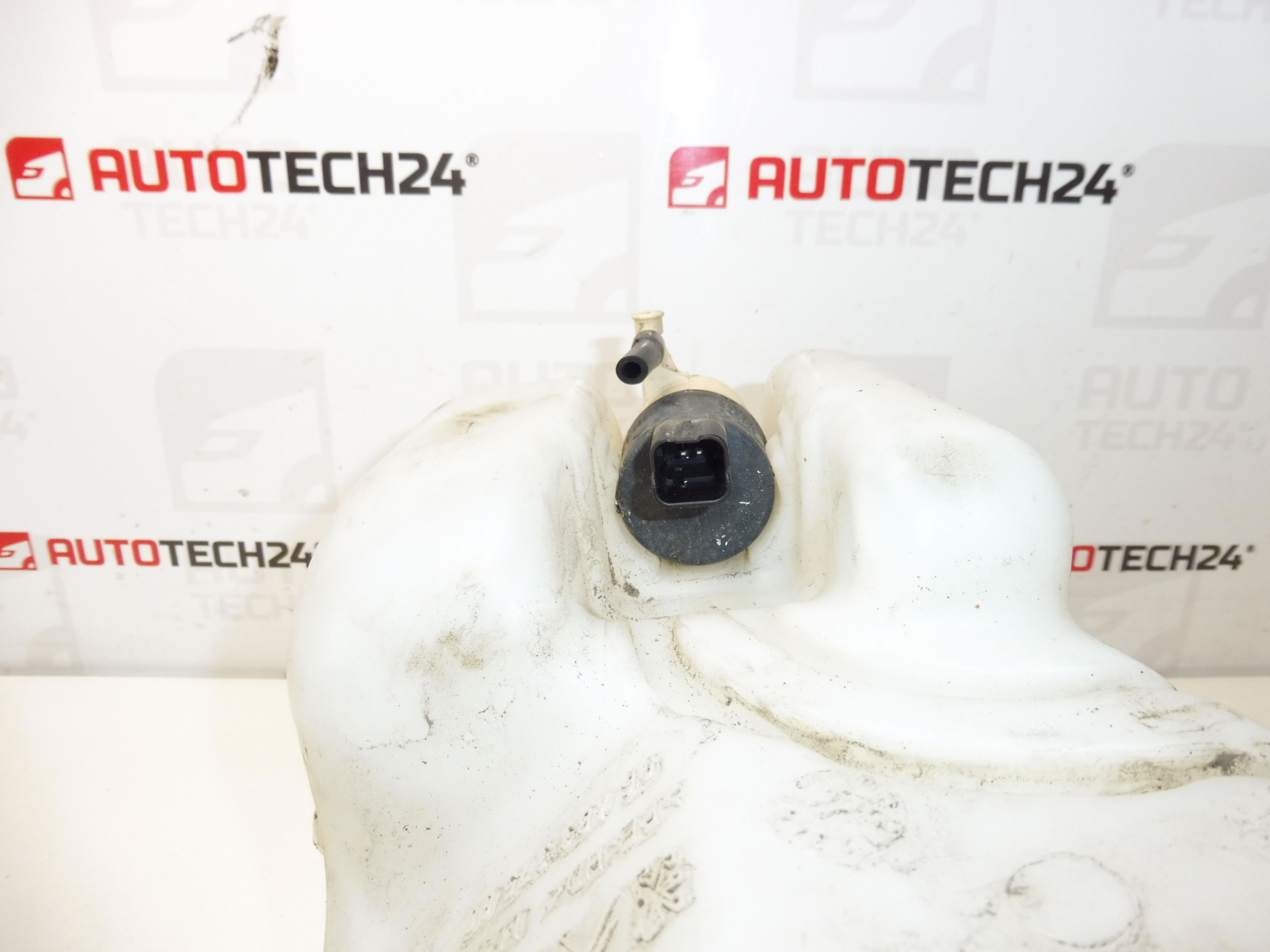
Washer reservoir for Peugeot 1007, 207, 301 and Citroën C‑Elysée. Washer pumps and cap may not always be included. Genuine part.
This washer fluid reservoir is an original equipment part designed for a perfect fit in a range of Citroën and Peugeot vehicles. It stores washer fluid and supplies the washer pumps that clean the windshield and rear glass. The replacement tank restores proper washer-system capacity and prevents leaks or loss of fluid pressure, ensuring clear visibility for safe driving. Commonly searched under part numbers 9648337580 and 6431F3, this unit is suitable for professional workshops as well as DIY maintenance.
Key Benefits
- Direct fit for easy and reliable installation on listed models.
- OEM quality ensures correct mounting points and connections.
- Restores washer system integrity—prevents leaks and contamination.
- Compatible with original washer pumps where applicable (pumps may need to be transferred if not supplied).
Compatibility
- Peugeot 1007
- Peugeot 207
- Peugeot 301
- Citroën C‑Elysée
Technical Information
- Manufacturer: Stellantis (Citroën/Peugeot)
- Model: Peugeot 1007, 207, 301; Citroën C‑Elysée
- Product Codes: 9648337580, 6431F3
- Other Numbers: N/A
How The Part Functions
The reservoir stores washer fluid and feeds one or more washer pumps via grommets and plumbing to the washer jets. When the driver activates the washer switch, the pump draws fluid from the tank and sprays it onto the windshield or rear glass to remove dirt, salt and insects. Some versions include a fluid level sensor; availability depends on the exact vehicle specification.
How To Replace
Replacement is straightforward for a trained technician or a competent DIYer with basic tools. Typical steps:
- Park vehicle on a level surface and depressurize the system by turning ignition off.
- Drain remaining washer fluid into a suitable container.
- Remove any trim or inner wing liners to access the reservoir mounting points.
- Disconnect electrical connectors for washer pumps and fluid-level sensor (if fitted).
- Disconnect outlet hoses and remove mounting bolts or clips, then extract the old tank.
- If pumps, grommets or the cap are not supplied with the new tank, transfer original components carefully to the new reservoir.
- Install new tank, reconnect hoses and electrical connectors, secure mounts and refill with washer fluid. Test system for leaks and proper pump operation.
Installation Recommendations
- Use gloves and protective eyewear when handling washer fluid.
- Carefully transfer washer pumps and grommets if they are not included with the new reservoir; damaged grommets cause leaks.
- Check hoses and clips for wear and replace if brittle or cracked.
- After installation, run the washer system and inspect for leaks and correct spray pattern.
- Follow vehicle manufacturer procedures and torque settings where applicable.
Reason Why Part Most Commonly Fails
The most frequent causes of reservoir failure are mechanical damage from road debris or minor collisions, plastic degradation due to long-term UV exposure and temperature cycling, and cracking caused by freezing of washer fluid in cold climates. Leaks can also result from deteriorated grommets or damaged pump seals. Contamination or sediment build-up may clog outlets and reduce pump efficiency, but does not usually damage the tank itself.