Description
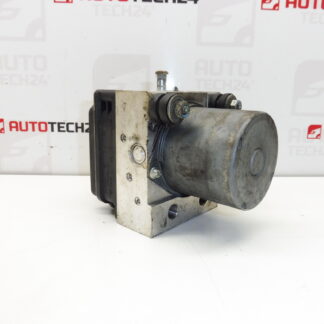
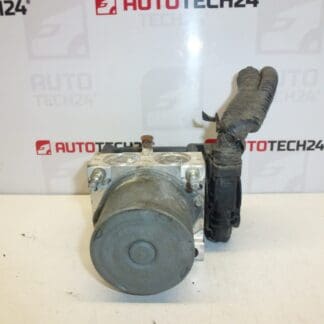
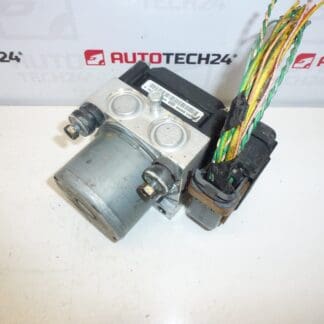
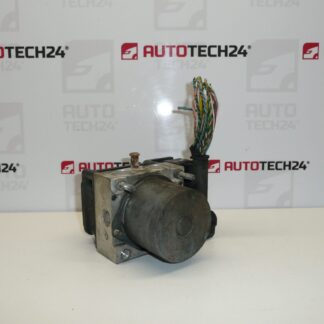
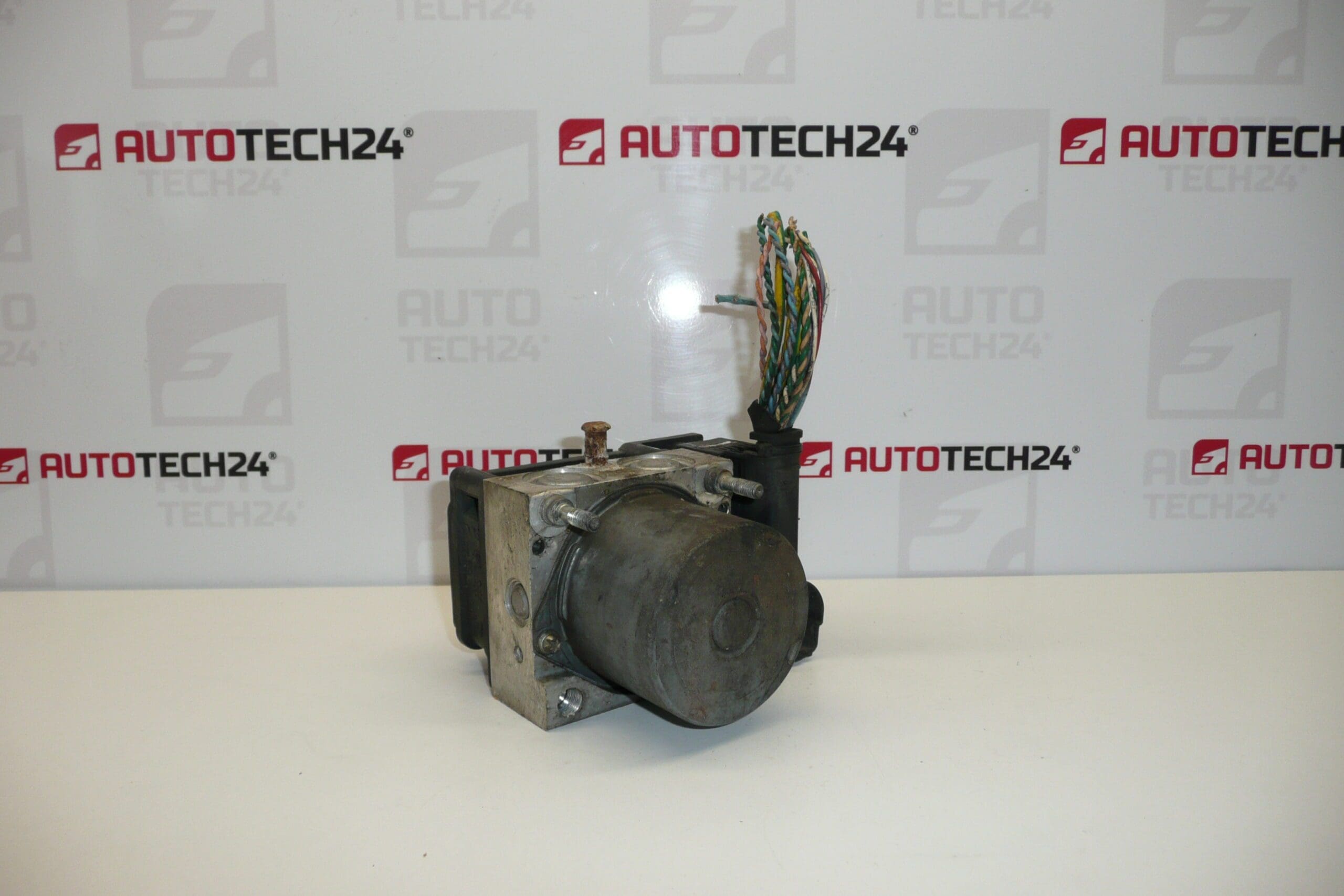
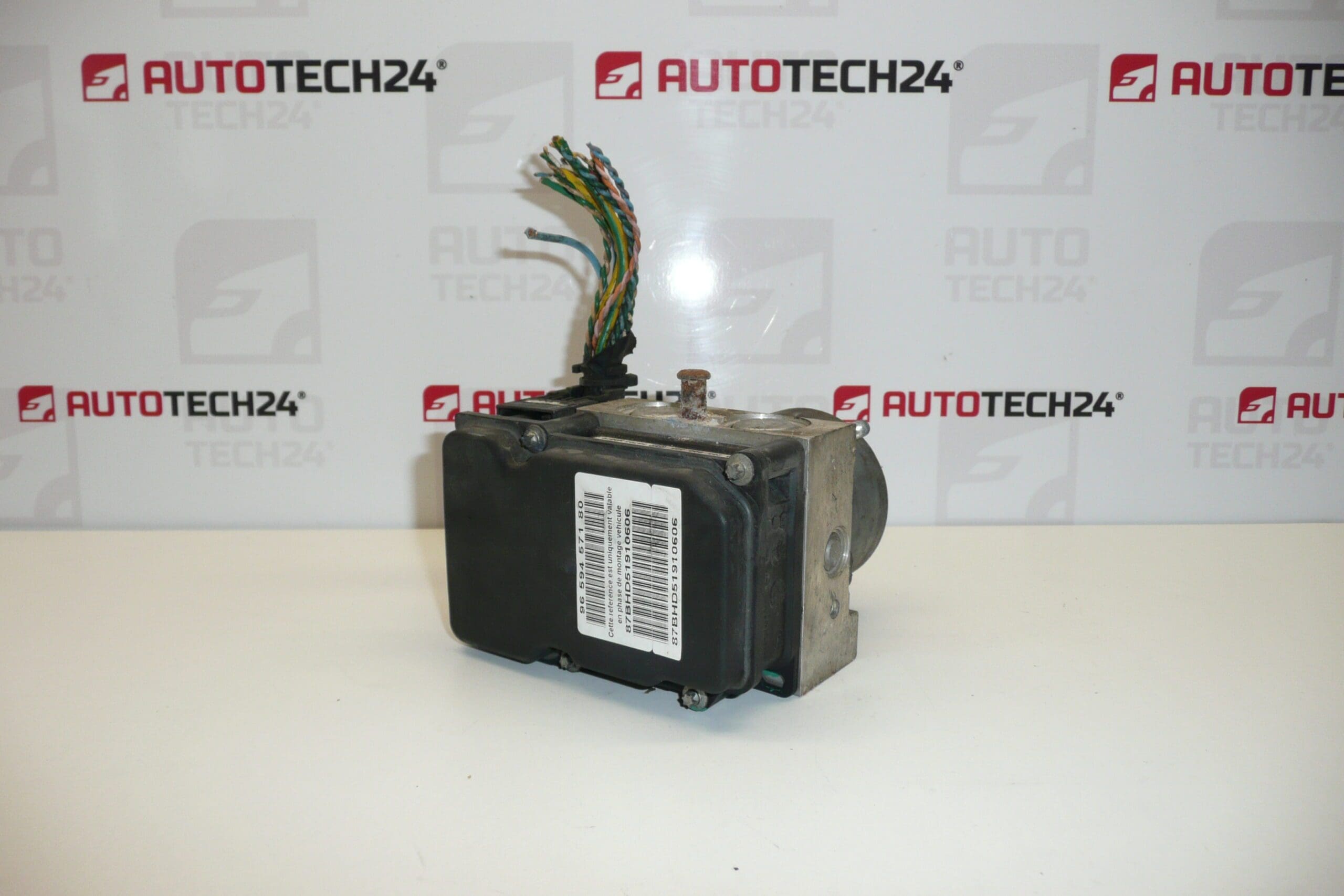
Hydraulic Brake Control Unit For CITROËN C4 And PEUGEOT 307 Vehicles. Control Module, ABS Pump, ABS Unit Bosch. Supplied With A Piece Of Wiring.
Product Overview
This Bosch ABS hydraulic block is a direct-fit replacement option commonly used on Citroën C4 and Peugeot 307 models. Designed for workshops and DIY mechanics, the unit integrates the electronic control module, hydraulic pump and valve block into one assembly and is supplied with a short length of wiring to simplify installation. The listing is frequently searched by OE numbers, so the part numbers below are included for fast identification.
Technical Information
- Manufacturer: Bosch
- Model: Citroën C4; Peugeot 307
- Product Codes: 9659457180, 0265800395, 4541J1
- Additional Numbers: 9649988280, 0265231486, NFP
Fitment And Compatibility
Designed for Citroën C4 and Peugeot 307 braking systems that use the listed Bosch ABS units. Customers often search using the OE numbers above (e.g. 9659457180, 0265800395). Compatibility can depend on vehicle equipment level and the exact ABS variant, so confirm the part number before installation.
Function And Benefits
The ABS hydraulic block modulates brake pressure at each wheel during emergency braking to prevent wheel lock-up and to maintain directional stability. The integrated pump restores hydraulic pressure when the valves modulate, while the electronic control module monitors wheel speed sensors and triggers ABS interventions. Replacing a faulty unit restores proper ABS functionality, improves braking safety and eliminates warning lights related to ABS pump or control faults.
Replacement Procedure (Overview)
- Park the vehicle on a level surface, engage the handbrake and remove the ignition key.
- Disconnect the negative battery terminal before starting work.
- Access the ABS module—usually located in the engine bay close to the brake master cylinder; remove any covers or airbox components as required.
- Carefully disconnect electrical connectors and cap brake lines to limit fluid loss and contamination.
- Unbolt the unit from its bracket, transfer any required brackets or sensors from the old unit to the replacement if necessary, and fit the new unit.
- Reconnect brake lines and torque fittings to manufacturer specification (refer to factory manual for exact values).
- Bleed the brake system thoroughly, using the recommended sequence and method (manual, pressure bleed or diagnostic-controlled cycle) until no air remains and the pedal feels firm.
- Reconnect the battery, clear any ABS fault codes with a diagnostic tool and perform a road test to verify correct ABS operation.
Common Failure Causes
- Corrosion And Moisture Ingress: Exposure to water or corroded connectors often causes electrical faults or pump failure.
- Electrical Connector Damage: Broken pins, poor contacts or wiring faults can interrupt communication with wheel sensors or the ECU.
- Pump Or Valve Wear: Mechanical wear inside the pump or valve block reduces hydraulic performance over time.
- Contaminated Brake Fluid: Dirty or moisture-laden fluid accelerates internal corrosion and valve sticking.
- Impact Or Accident Damage: Physical shocks can damage the unit or its mounting, causing leaks or electrical faults.
Installation Recommendations
- Always disconnect the battery before starting work to protect the electronic module.
- Cap brake lines immediately after disconnection to avoid contamination and fluid loss.
- Use fresh, manufacturer-recommended brake fluid and observe the correct bleeding procedure; replace fluid if it is contaminated or aged.
- Use a diagnostic tool after installation to clear codes and, if available, to run the ABS bleed/initialization routine provided by the vehicle manufacturer.
- Follow manufacturer torque values and tightening sequences when refitting hydraulic lines and mounting bolts.
Diagnostics And Post-Installation Checks
After fitting the unit, clear stored ABS faults and monitor live data from wheel speed sensors and pump status with a diagnostic scanner. Perform the manufacturer-recommended ABS bleed or pump prime routine, confirm that no warning lights remain, and verify functionality during a controlled road test. If electrical faults persist, inspect connectors and ground points for corrosion or damage.
Why Choose This Unit
This Bosch hydraulic ABS block is a widely used option for Citroën C4 and Peugeot 307 owners and workshops seeking reliable ABS functionality. Listing of OE numbers in the description helps fast identification and procurement for professional repairs or DIY projects.