Description
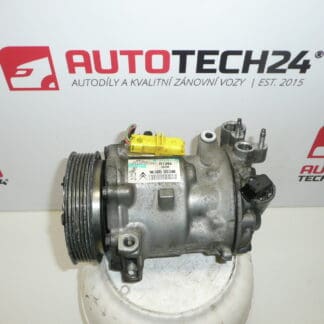
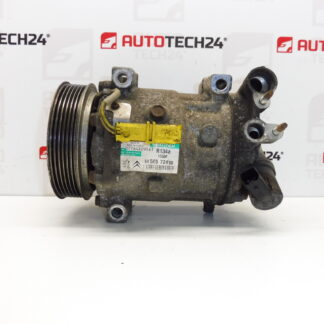
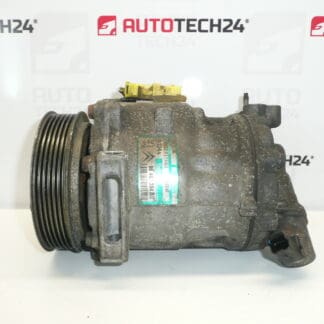
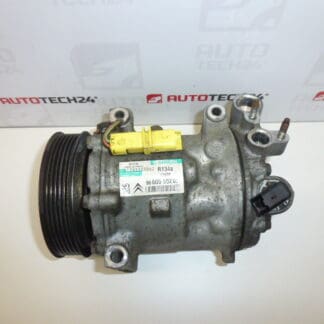
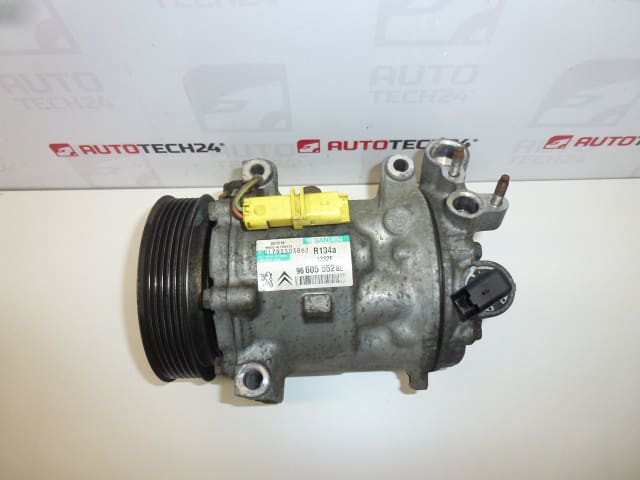
Sanden SD7C16 air conditioning compressor for Citroën C5 II, C5 X7 and Peugeot 407 with 1.6 HDi 80 kW engine (9HZ).
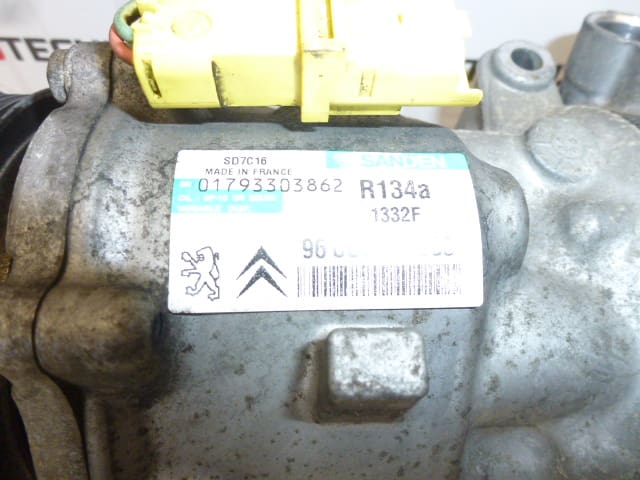
This Sanden SD7C16 A/C compressor is a direct-fit solution designed for technicians and DIY enthusiasts working on Citroën and Peugeot diesel models. It restores reliable cooling performance for cabin comfort and climate control efficiency. The unit is commonly referenced by OE and aftermarket numbers, so customers often find it by searching product codes such as 9660555280, 648780, 6453XC, 1332 and 1332F. Ideal for repair shops and independent mechanics, the compressor is suited to vehicles with the 1.6 HDi 80 kW (9HZ) engine where the original SD7C16 unit is specified.
The SD7C16 Compressor Transfers Refrigerant And Pressure Between High And Low Sides Of The A/C System. It Is The Heart Of The Air Conditioning System: Compressing Low-Pressure Refrigerant Vapour Into High-Pressure Gas That Then Releases Heat In The Condenser. A Correctly Functioning Compressor Is Essential For Rapid Cooling And Stable Cabin Temperature Control.
Technical Information
- Manufacturer: Sanden
- Model: SD7C16
- Product Codes: 9660555280, 648780, 6453XC
- Additional Numbers: 1332, 1332F, 6453XC
- Compatible Vehicles: Citroën C5 II, Citroën C5 X7, Peugeot 407 (1.6 HDi 80 kW, engine code 9HZ)
- Refrigerant Type: R134a (typical for these model years)
Replacement And Fitment Notes
Replacing the compressor requires refrigerant recovery by certified equipment before any disassembly. Typical replacement steps include disconnecting the battery, evacuating the refrigerant, removing the drive belt, disconnecting electrical connectors and refrigerant lines, unbolting the old compressor and installing the new unit with new sealing rings. After installation, evacuate and recharge the system to the correct refrigerant charge and oil specification, then run the system to check for leaks and proper operation. Always Replace Receiver/Drier Or Accumulator When The Compressor Is Replaced To Protect The New Unit From Contamination.
Installation Recommendations
- Ensure Refrigerant Is Fully Recovered Using Properly Certified Equipment Before Starting Work.
- Replace O-Rings And Seals On All Refrigerant Connections With Correct Size And Material.
- Fit A New Receiver/Drier Or Accumulator When Installing A New Compressor.
- Flush The System Only If Contamination Is Suspected; Use Recommended Flushing Procedure And Approved Solvent.
- Use Proper Refrigerant Oil Type (PAG For Most R134a Systems) And Observe Manufacturer Oil Volume Guidelines Where Available.
- Vacuum The System And Perform A Leak Test Before Charging With Refrigerant.
- Check Belt Condition And Tension; Replace Worn Drive Belts And Tensioners As Needed.
Common Reasons For Failure
- Contamination In The A/C System (Debris Or Moisture) Causing Internal Damage To Valves And Bearings.
- Lack Of Lubrication Due To Refrigerant Leaks Or Incorrect Oil Level, Leading To Premature Bearing Wear.
- Electrical Faults Including Clutch Coil Failure Or Connector Issues.
- Belt Drive Problems Such As Slip Or Incorrect Tension That Place Excessive Load On The Compressor.
- Age-Related Wear: Seals And Bearings Degrade Over Time, Especially On High-Mileage Vehicles.
Note For Buyers: Search By The OE Or Reference Numbers To Find The Correct Unit Quickly. This Compressor Is Intended For Vehicles Specified Above; Verify Engine Code And Model Year When Selecting Parts To Ensure Proper Fitment.