Description
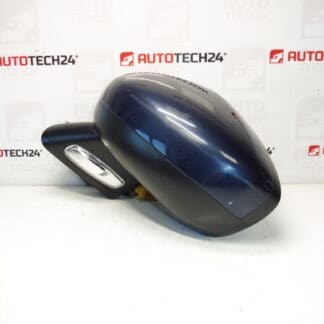
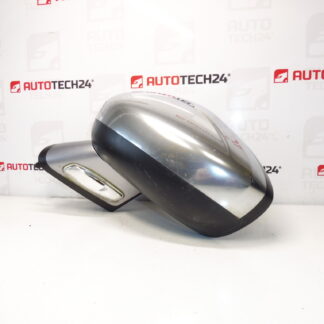
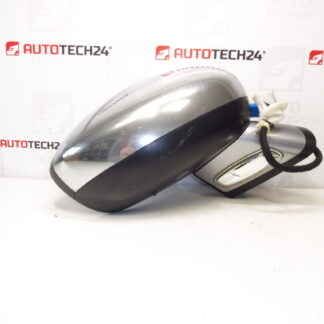
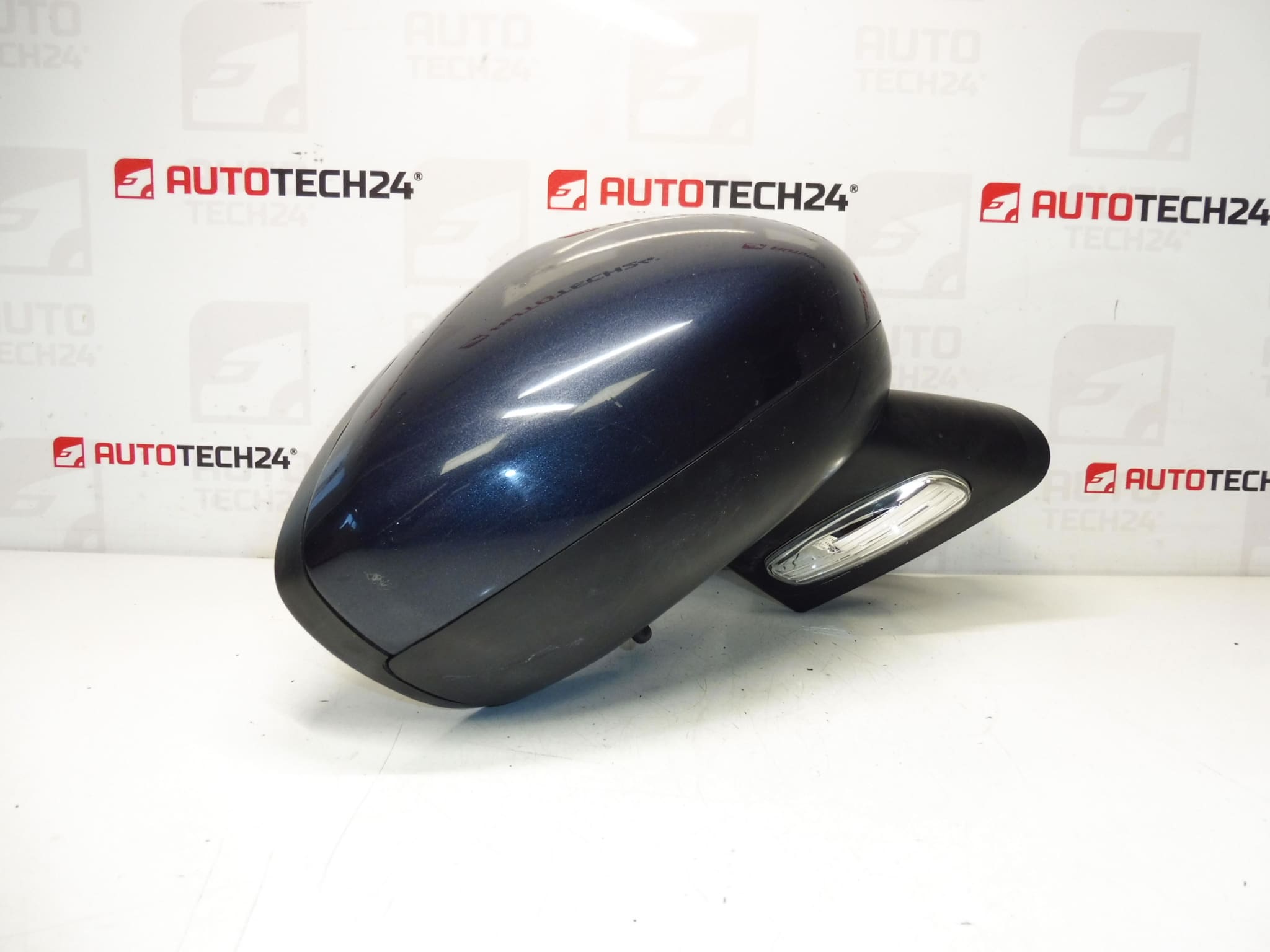
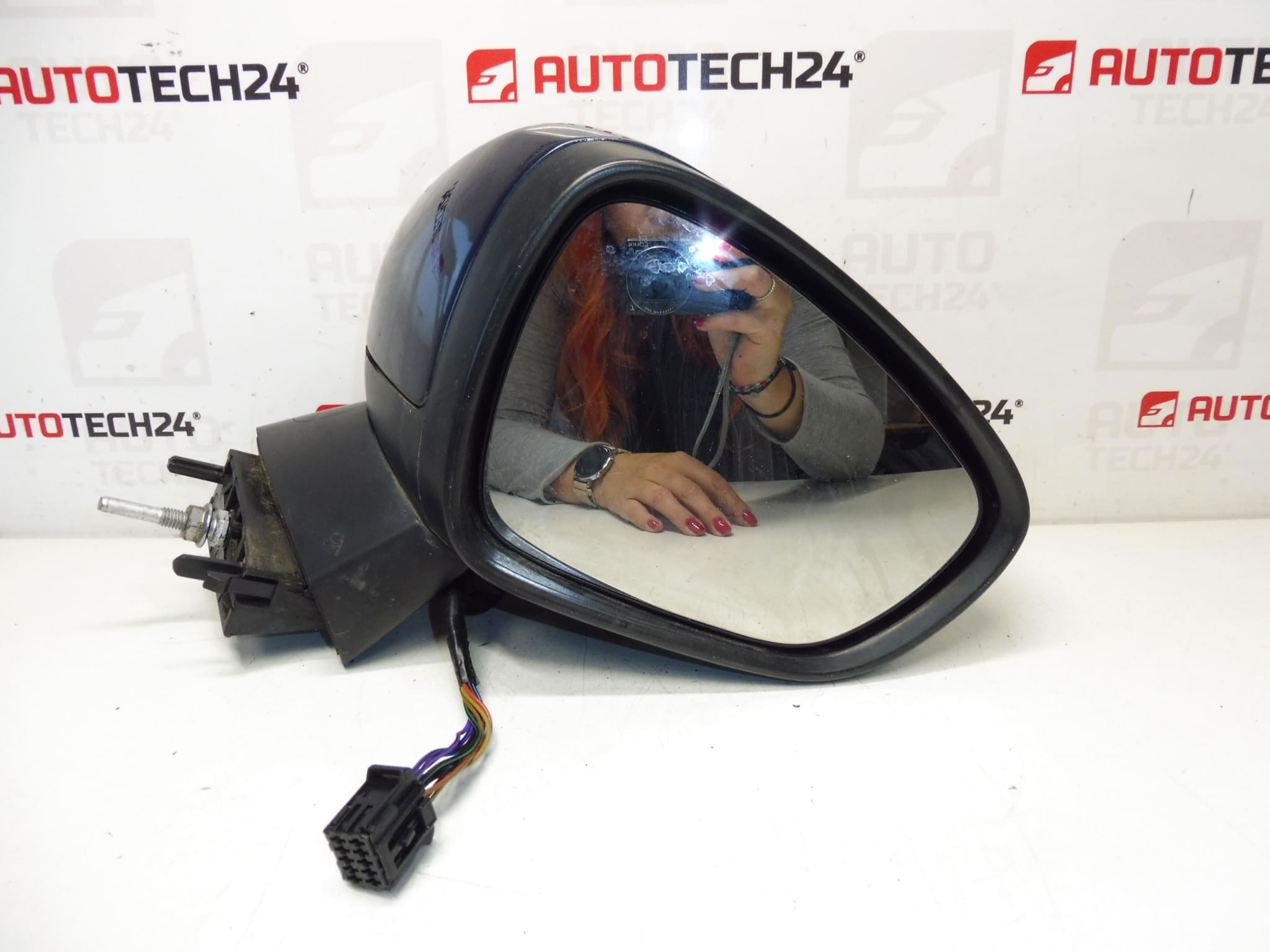
Passenger Side Mirror For Citroën C4 II B7 And DS4. Color KGN – Bourrasque Paint. 9‑Pin Connector.
This replacement passenger side (right) exterior mirror is a direct-fit component intended for Citroën C4 II (B7) and DS4 models. Finished in factory-matching KGN Bourrasque paint, it restores original appearance and electrical functionality. The 9‑pin electrical connector supports the vehicle’s mirror functions (dependent on equipment level), making this unit suitable for professional workshops and experienced DIYers who demand a precise fit and paint-matched finish. OE reference 1607024580 and the color/type codes are carried for easy lookup.
Technical Information
- Manufacturer: Stellantis (Citroën/Peugeot)
- Model: Citroën C4 II (B7), DS4
- Product Codes: 1607024580
- Additional Numbers: KGN, KGNC, NFP
- Connector: 9‑Pin Electrical Connector
- Finish: KGN – Bourrasque Paint (factory color)
Function And Features
The mirror restores the passenger-side external mirror assembly, providing the driver with rearward visibility and housing the vehicle’s electrical mirror functions. The 9‑pin connector is used on vehicles with multiple mirror features such as electrical adjustment, heating, and folding—available functions depend on the vehicle’s original equipment level. The painted shell matches the factory finish to ensure a seamless visual replacement.
Recommended Installation
Replacement should be performed by a trained technician or an experienced DIYer with basic automotive tools. Typical steps:
- Remove the interior door trim or small triangular trim cover to access the mirror mounting screws and electrical connector.
- Disconnect the 9‑pin connector and remove the retaining screws or nuts that secure the mirror assembly to the door.
- Carefully remove the old mirror assembly to avoid damaging the door paint or trim.
- Fit the new mirror in position, align the stud holes, and hand-tighten fasteners. Torque to manufacturer specification if available—avoid over-tightening to prevent cracking the mirror housing.
- Reconnect the 9‑pin connector, test all mirror functions (adjustment, heating, folding where applicable) before reassembling the trim.
- Reinstall interior trim and perform a final functional check and mirror alignment.
Note: On vehicles equipped with memory functions, advanced driver aids, or body control modules, basic initialization or coding using a diagnostic tool may be required to restore full functionality.
Why This Part Fails Most Often
- Impact Damage: Collisions, parking knocks, and side-swipes are the most common causes of physical breakage to mirror housings, glass, and adjuster mechanisms.
- Electrical Failure: Corrosion or wear in the connector, wiring, or internal motors can lead to loss of adjustment, heating, or folding functions—especially in older vehicles or those exposed to moisture and road salts.
- Mechanical Wear: Motors and gearing inside the mirror can wear over time, causing slow or irregular movement.
- Paint Degradation: Exposure to UV and environmental contaminants can damage the painted finish; replacing with a correctly painted unit restores appearance.
Compatibility And Notes
Designed for Citroën C4 II (B7) and DS4 models with the corresponding mirror mounting and 9‑pin electrical connector. Use the OE reference 1607024580 and color code (KGN / KGNC / NFP) to confirm a match with the vehicle’s original part. Color matching is critical for an OEM appearance—verify the paint code before installation.
Suitable For
Professional garages, body shops, and competent DIY enthusiasts who replace exterior mirrors on Citroën C4 II (B7) and DS4 vehicles and require a painted, electrically equipped right-side mirror with a 9‑pin connector and OE reference for quick identification.